Hotel Bayerischer Hof
Munich, Germany
Old Town
Vibe
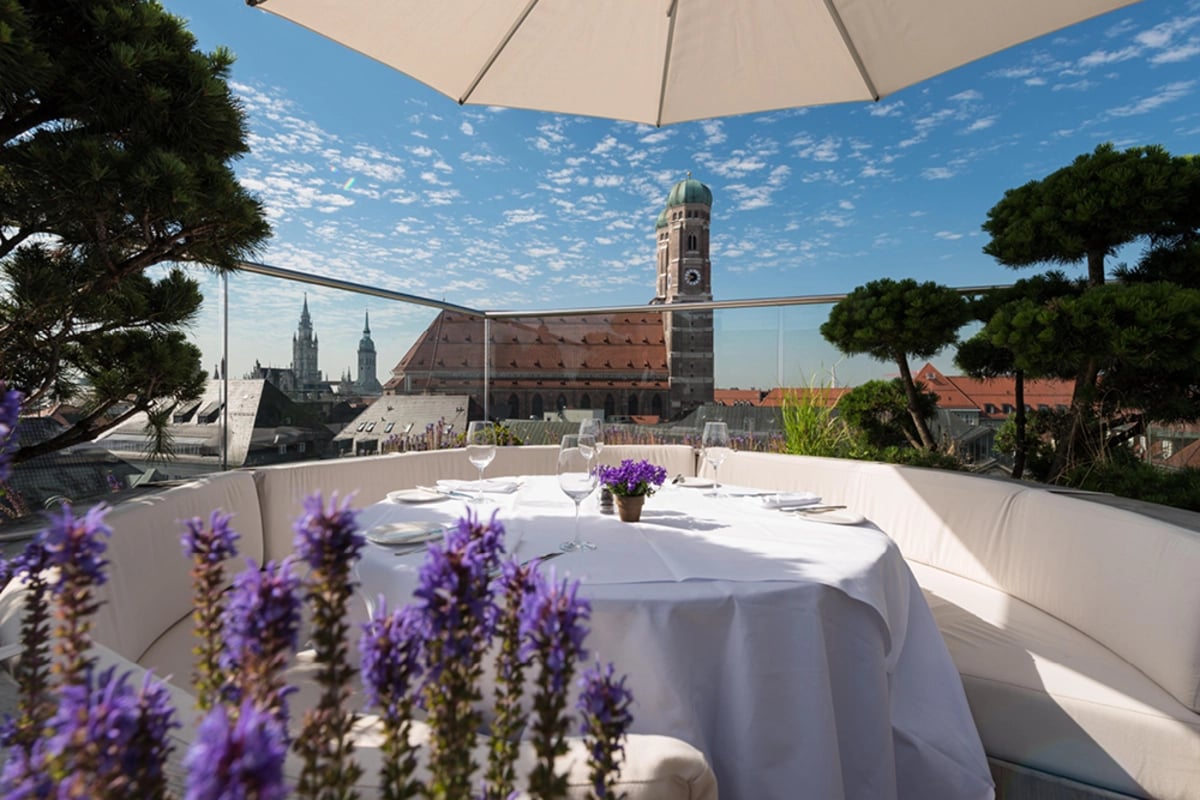
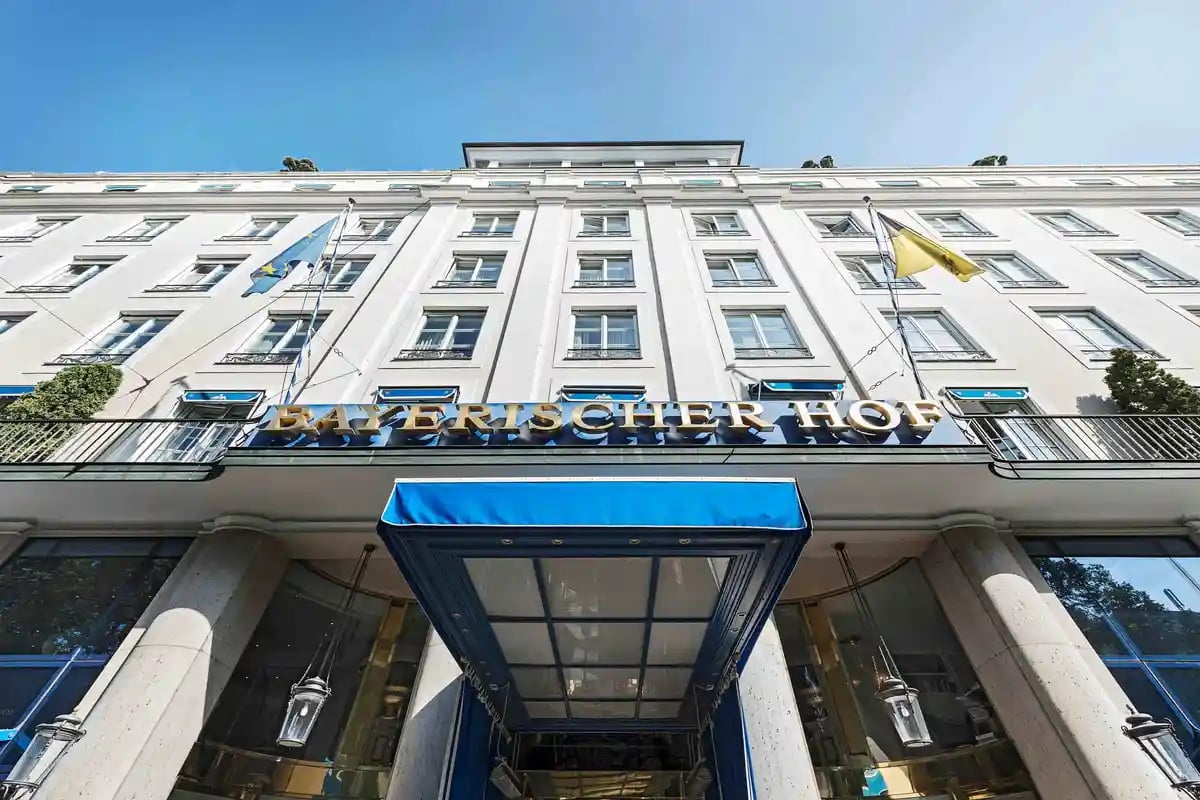
Five inner courtyards connect historic ballroom wings with modern lounges, creating an energetic city-center meeting place for Munich society.
“Grand Bavarian bastion”
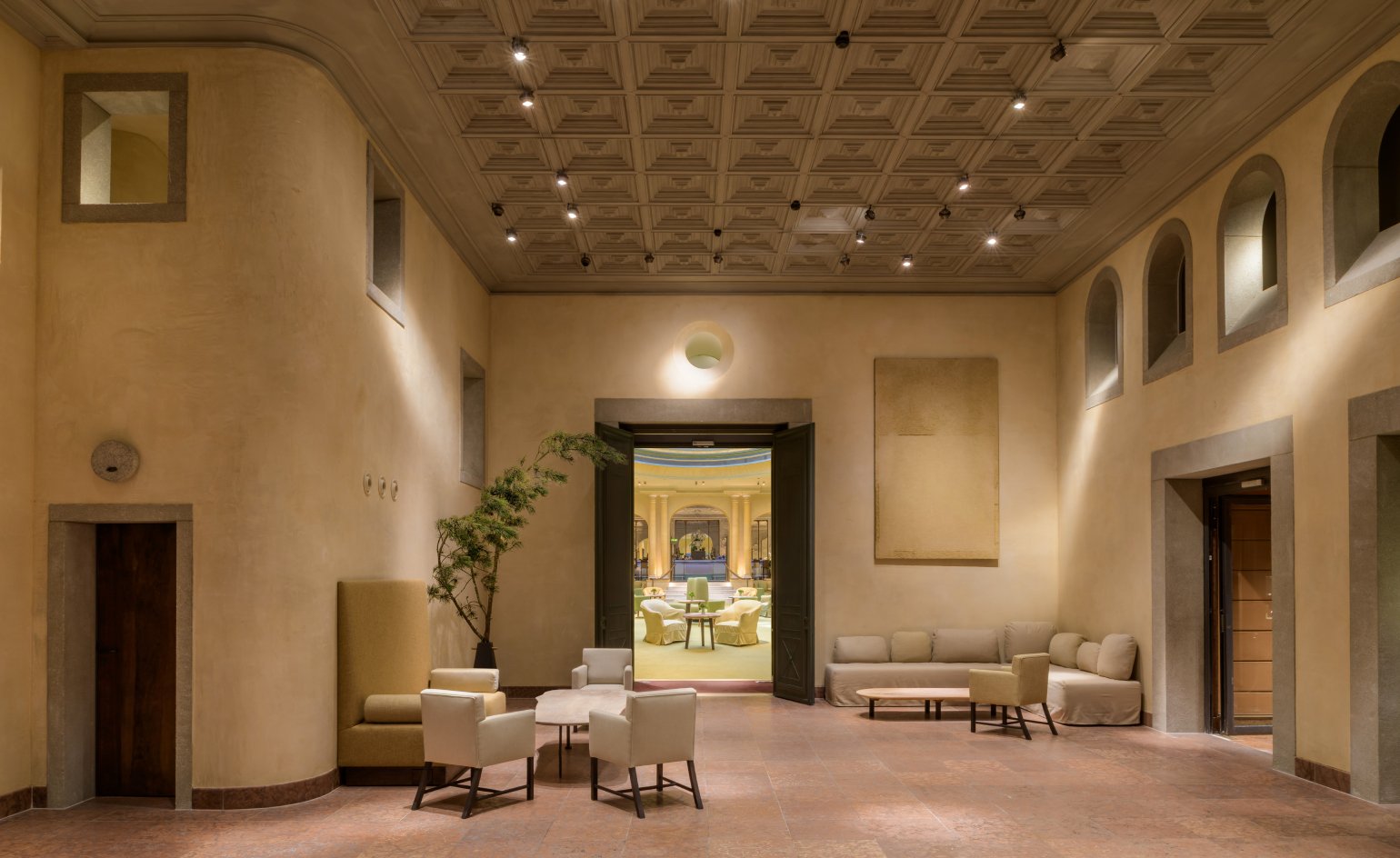
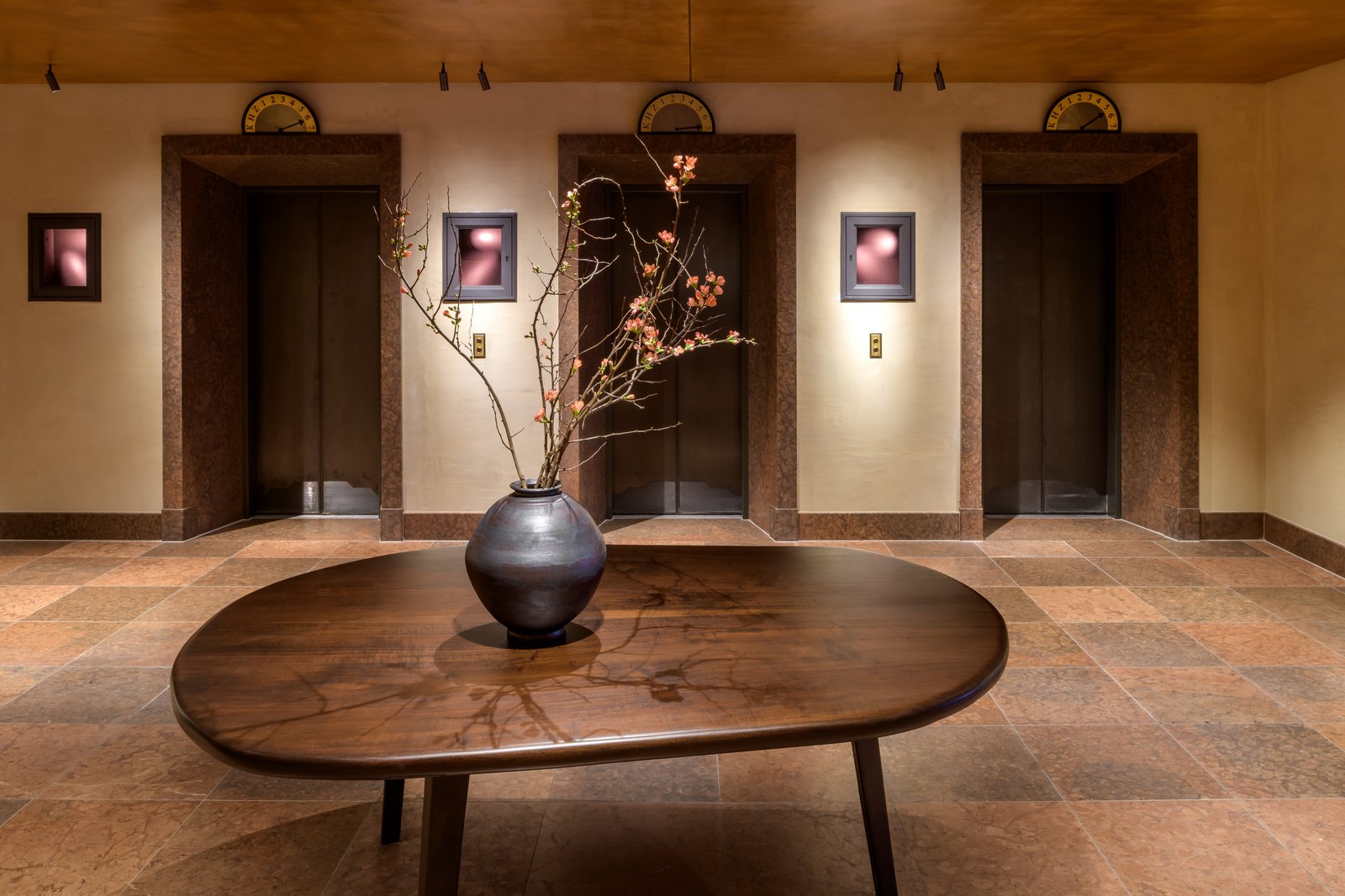
Interiors conceived by Axel Vervoordt and Jouin Manku, featuring Hungarian Red stone and sculptural fireplaces.
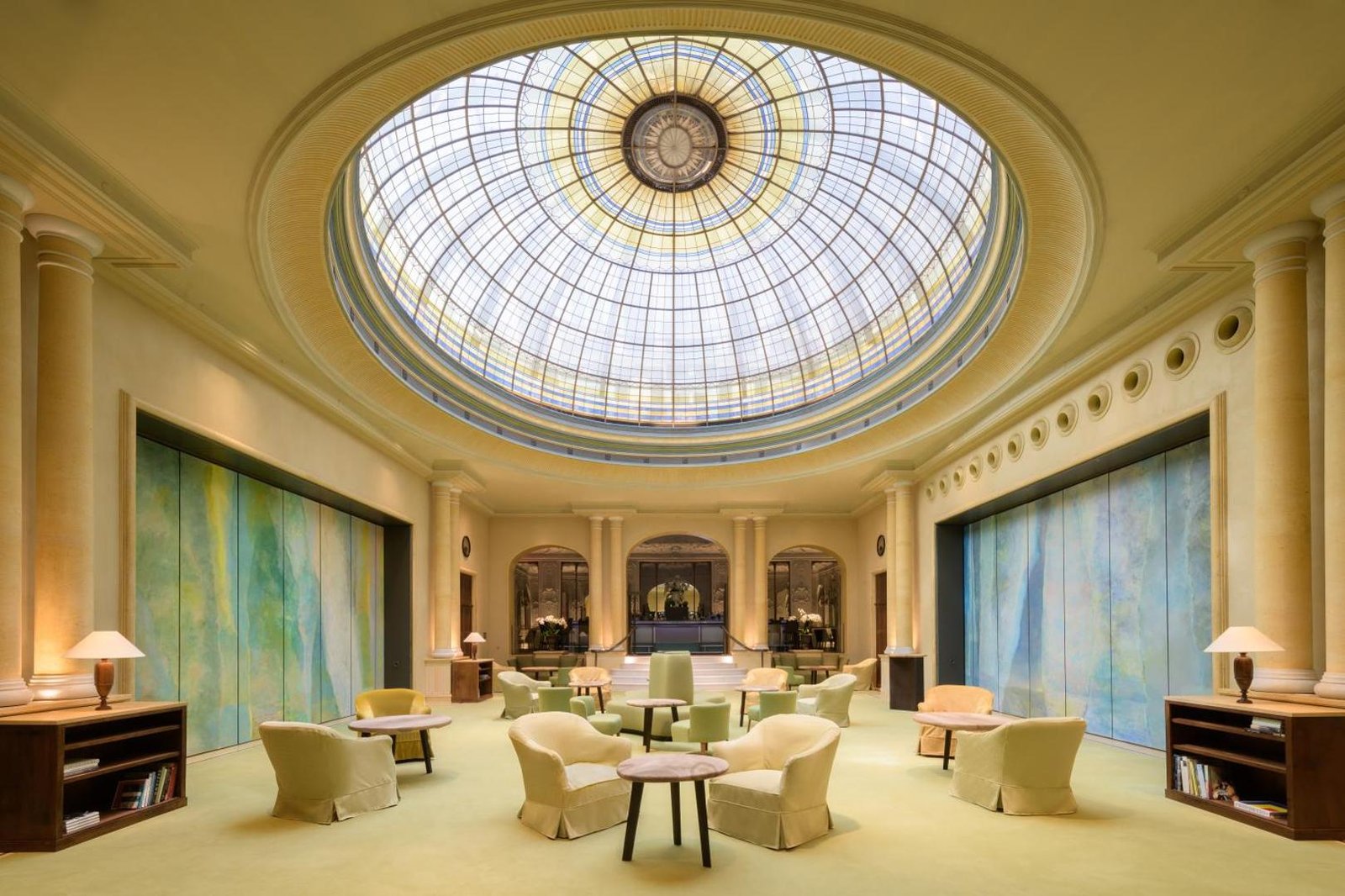
Commissioned in 1841 by King Ludwig I, preserving the historic Spiegelsaal hall with ornate stucco ceilings.
Family-owned since 1897, hosting Munich society milestones across five inner courtyards and historic reception halls.
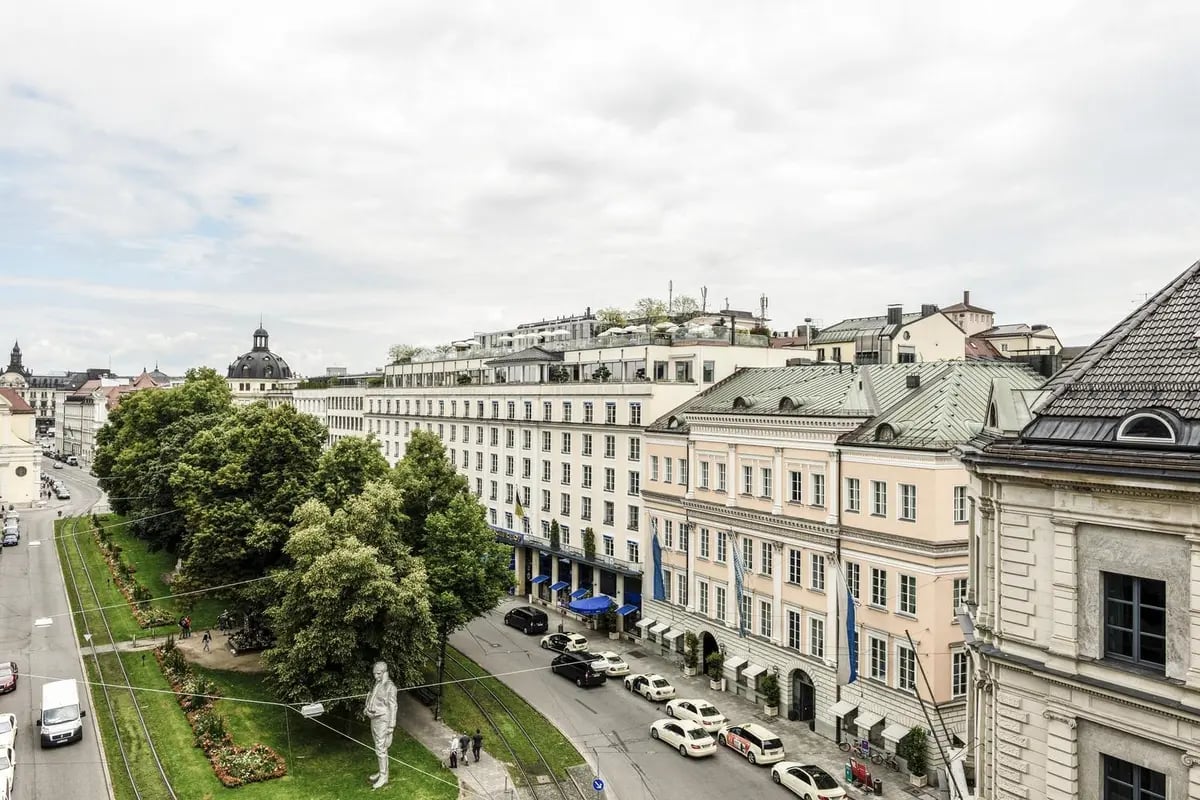
On Promenadeplatz in Munich's old town, a short walk from the Frauenkirche and Marienplatz.
“This former royal palace became a hotel in 1841, and has been owned and operated by the Volkhardt family since 1897; its plans are quite literally measured in centuries.”
Rooms
Accommodations vary widely, ranging from classic Bavarian and French Art Nouveau suites to sleek, contemporary quarters designed by Axel Vervoordt.
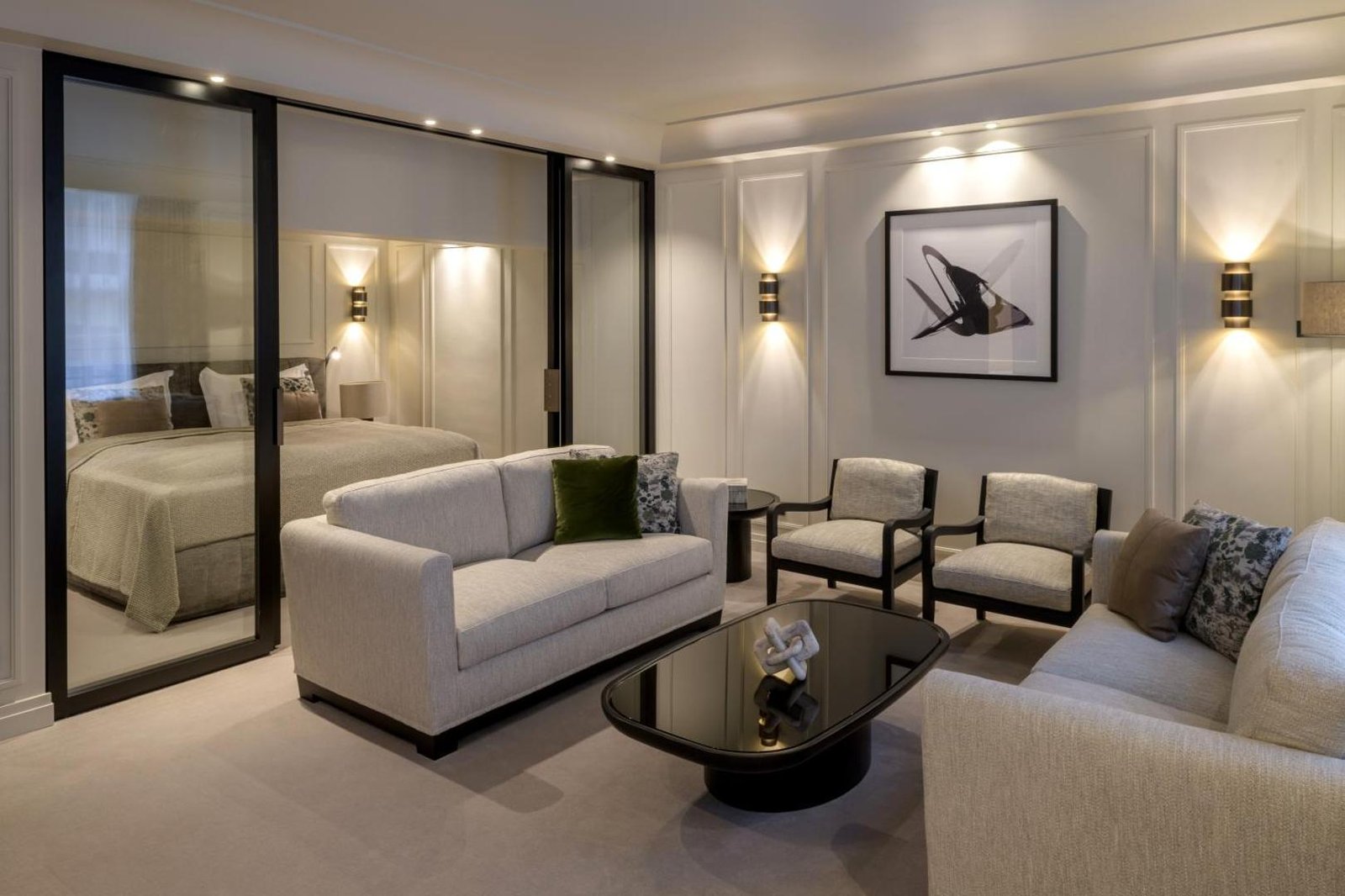
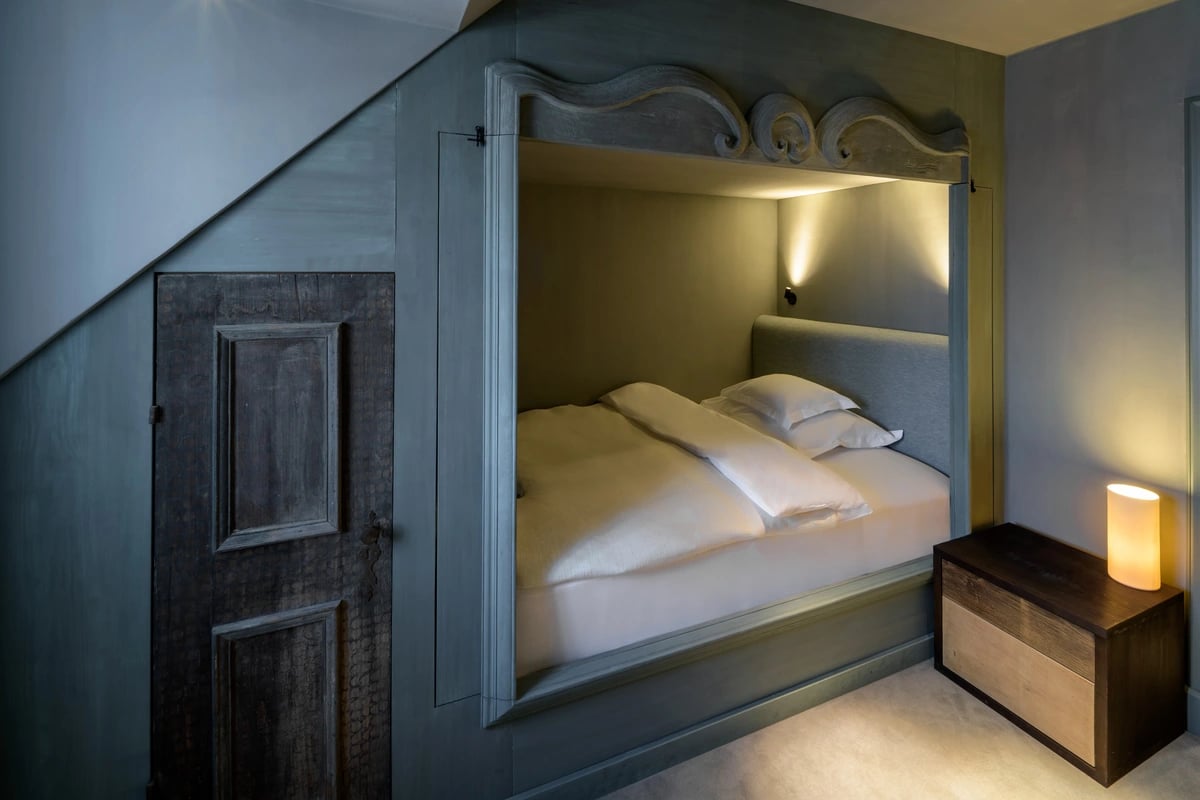
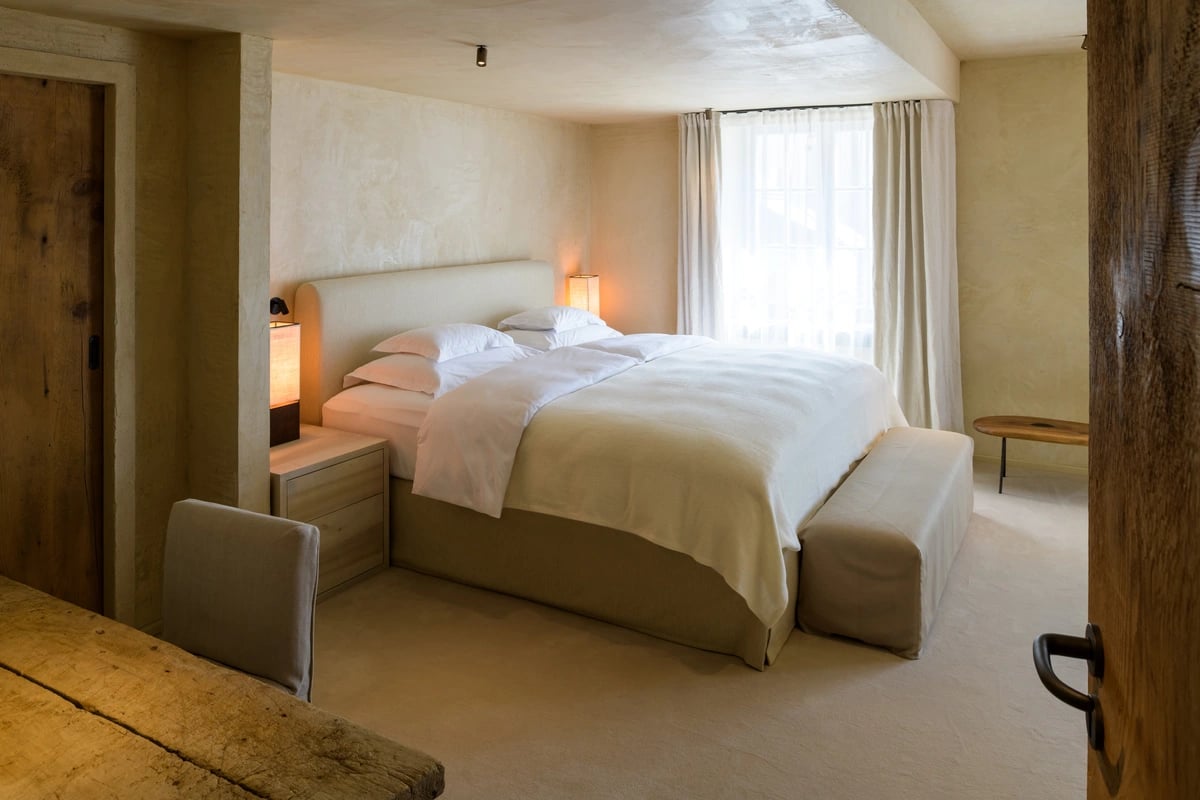
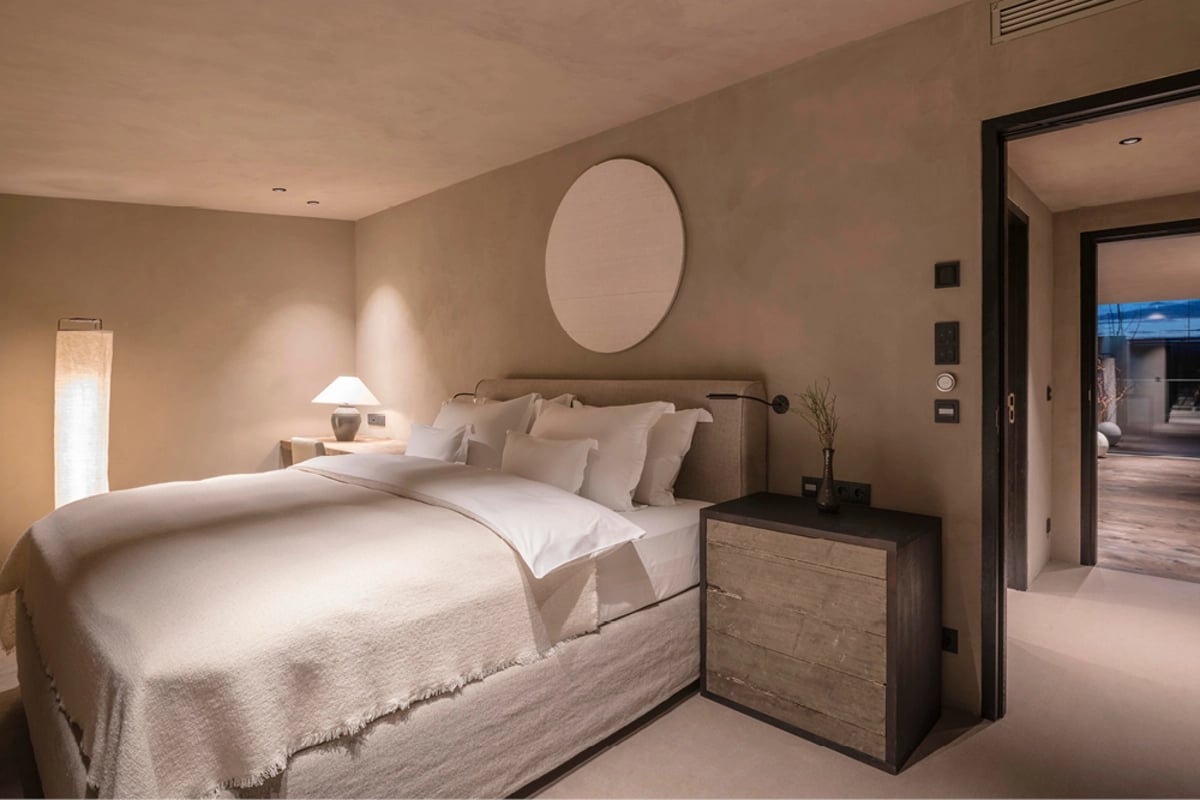
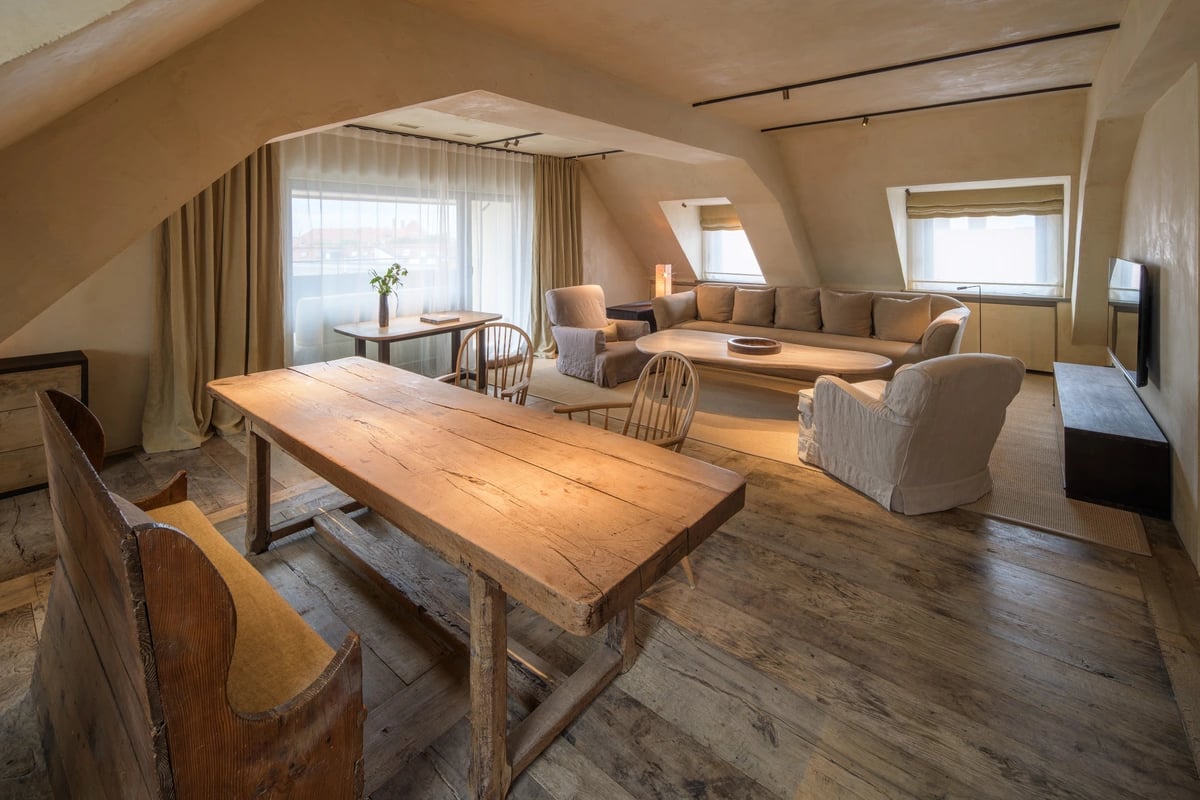
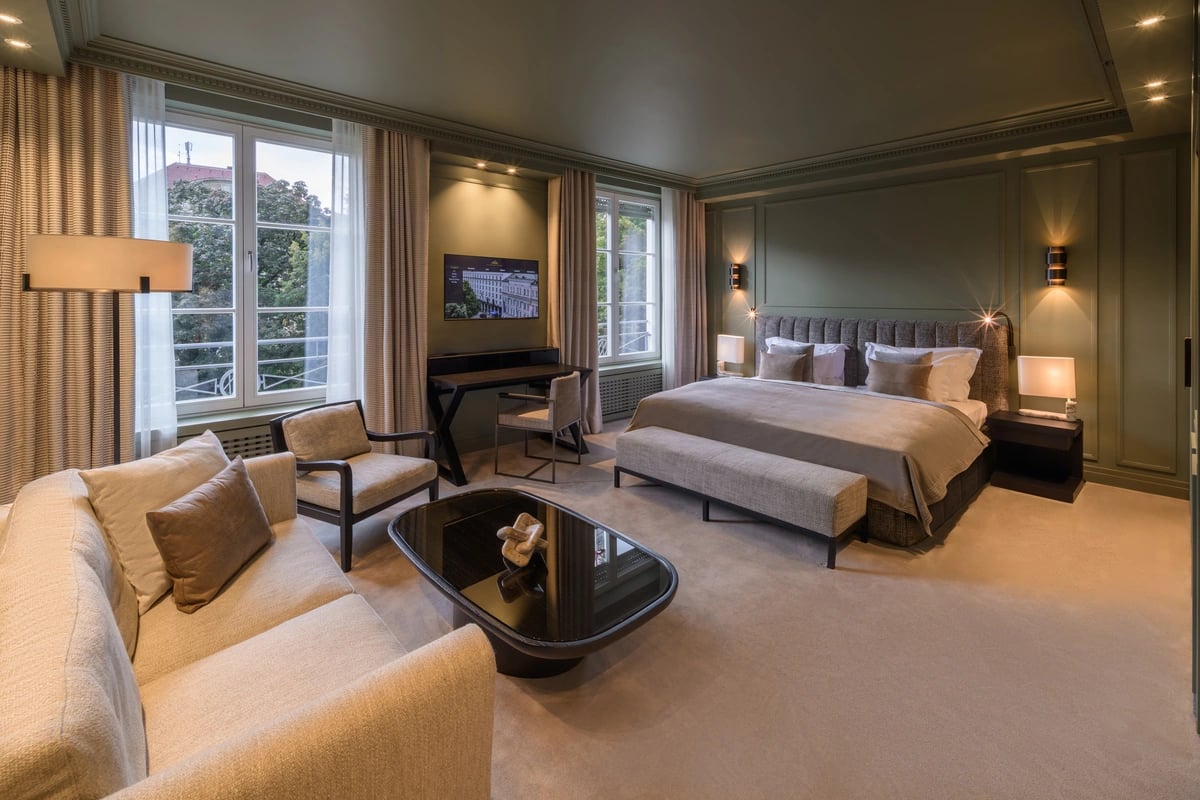
“Materially, the language remains grounded and exacting. Walls are finished in clay plaster; joinery in European walnut; leather elements in naturally tanned and dyed hides.”
Wellness
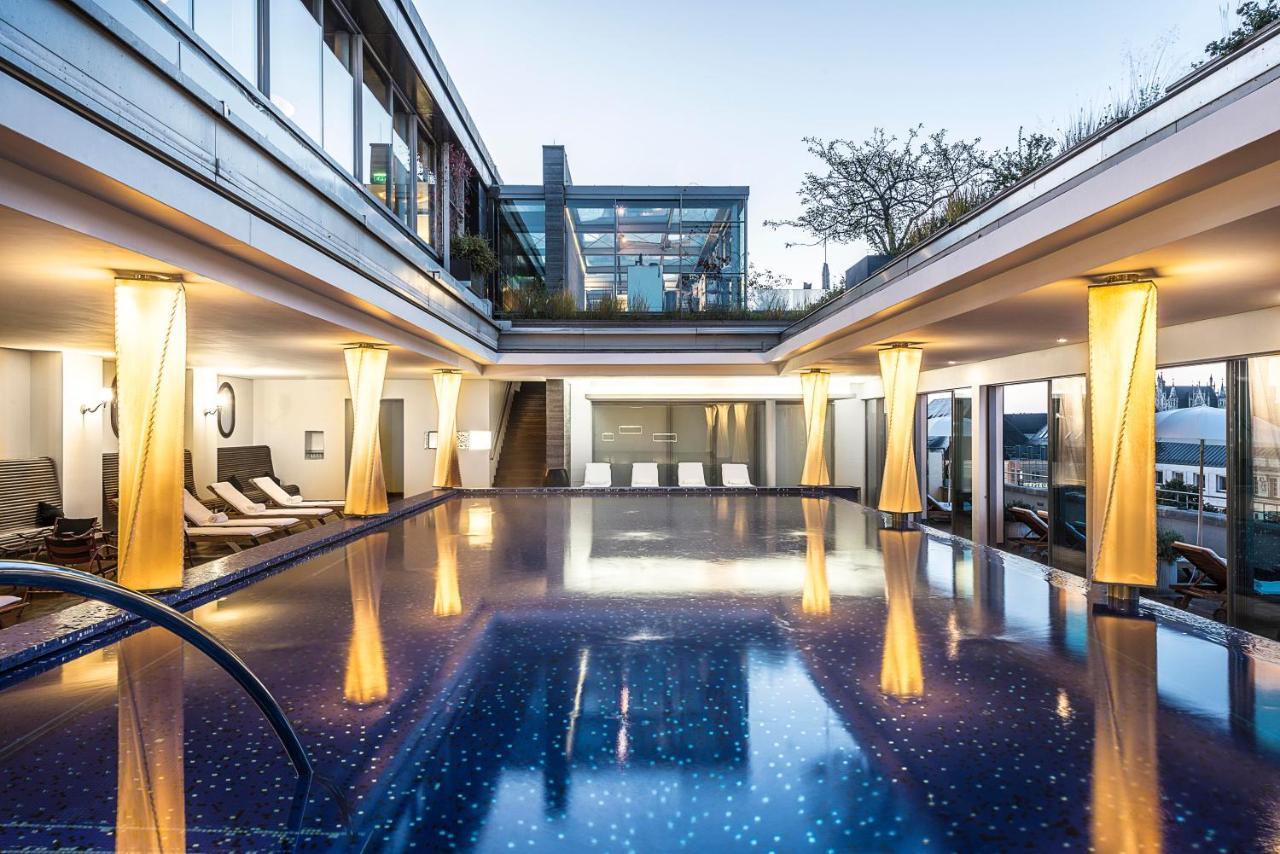
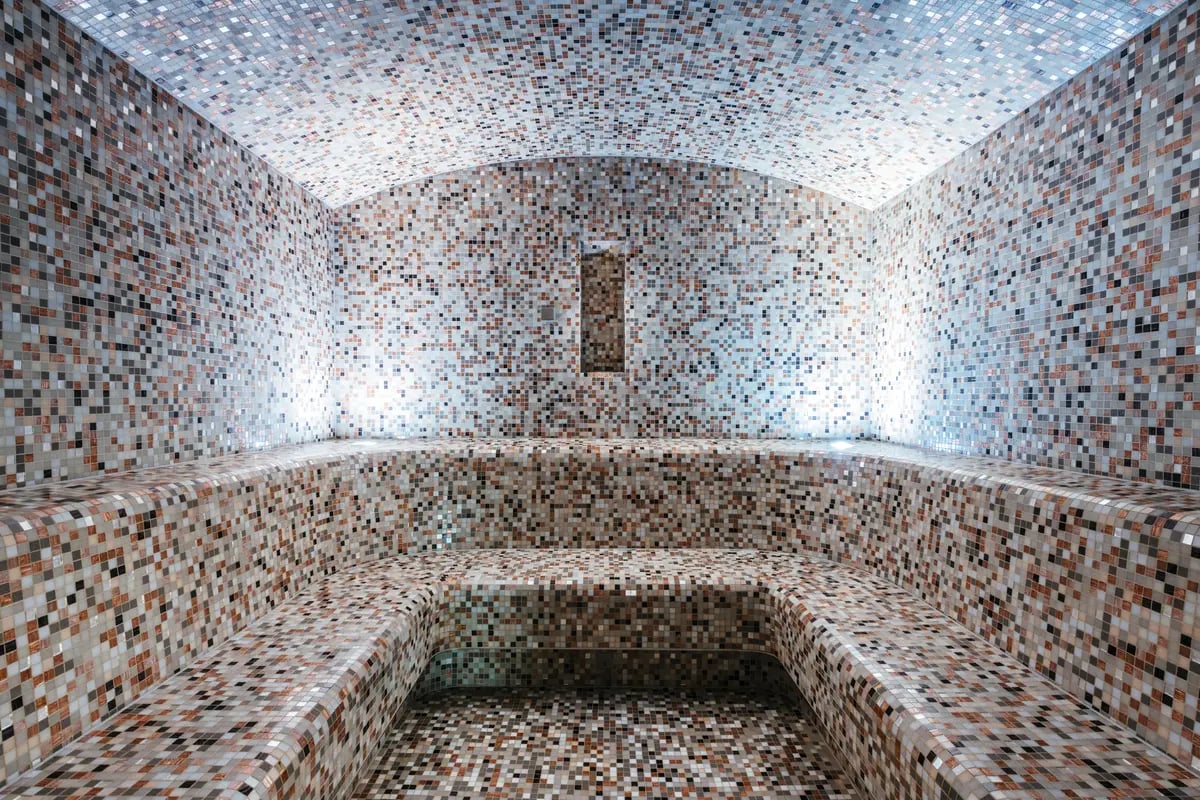
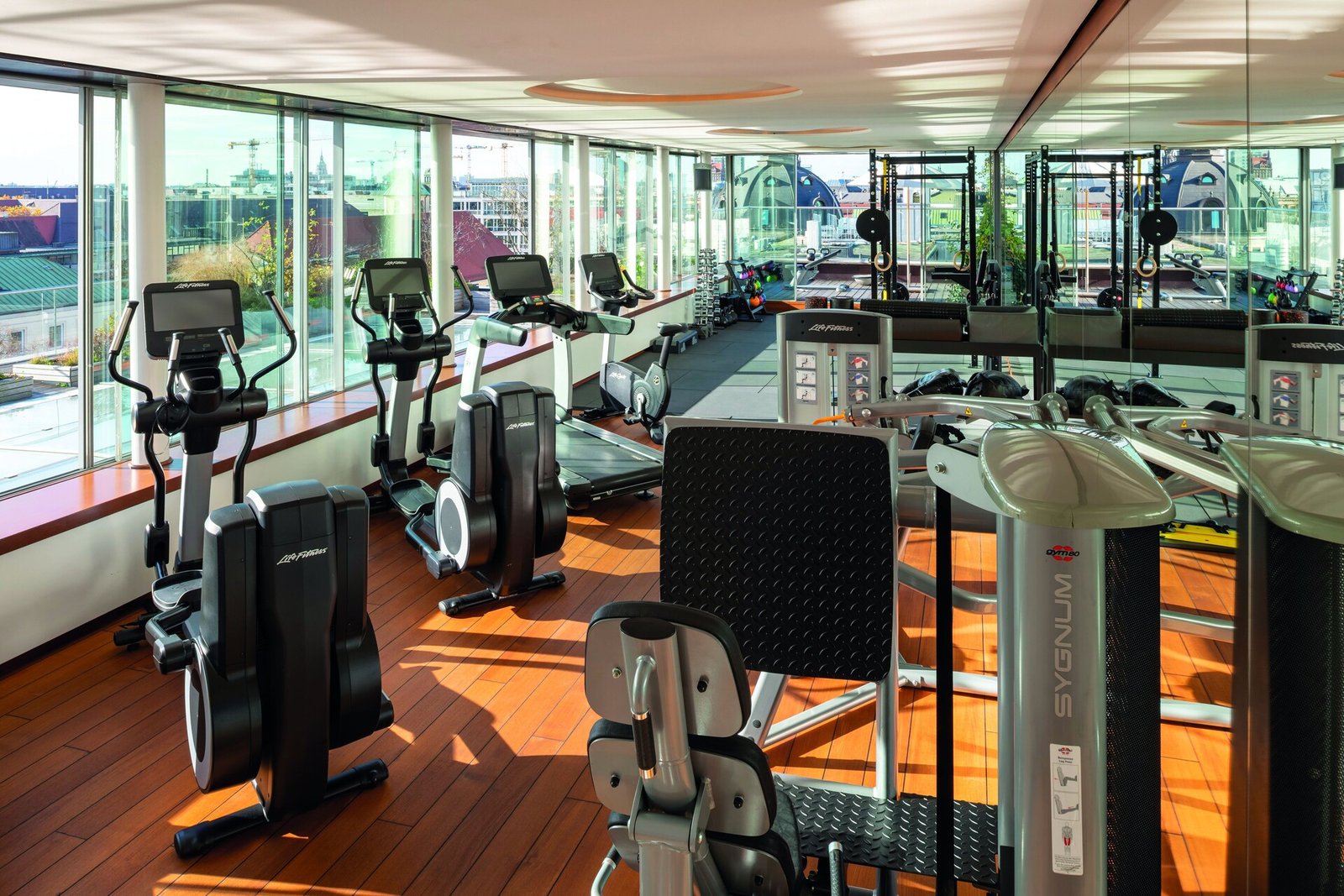
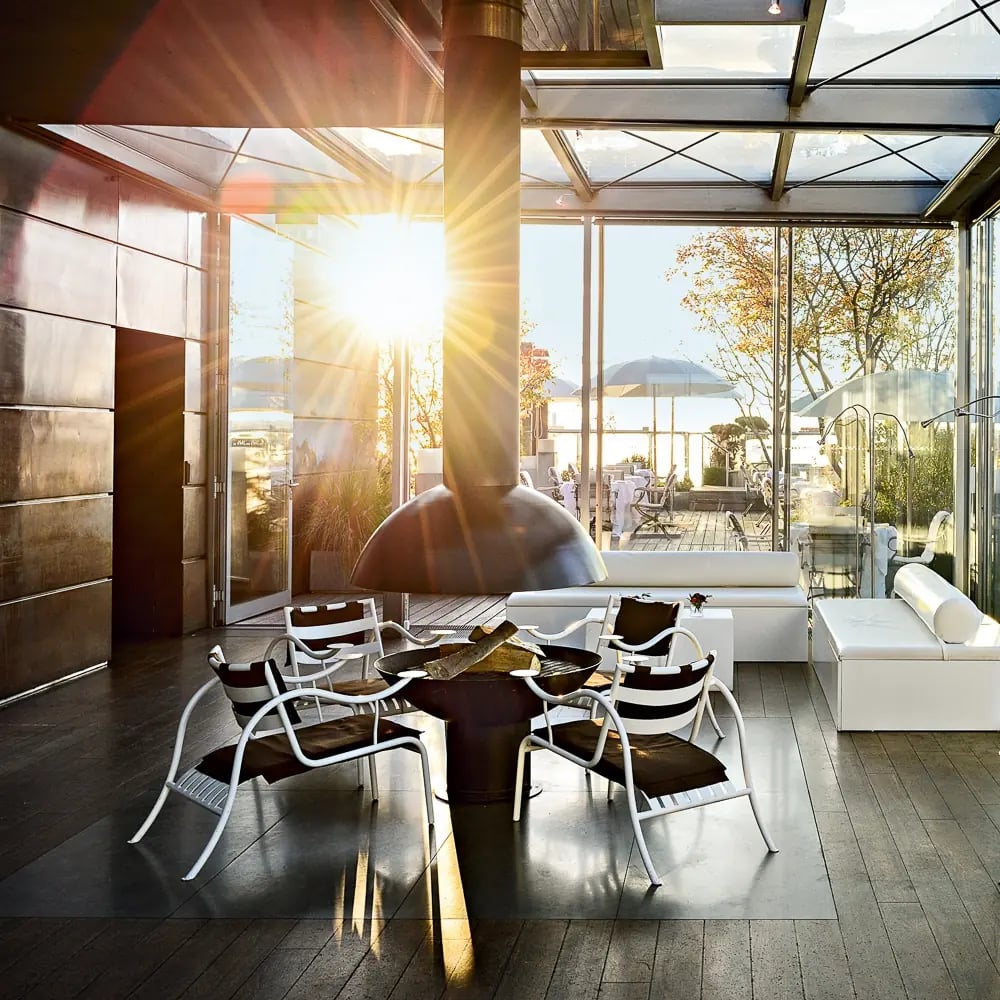
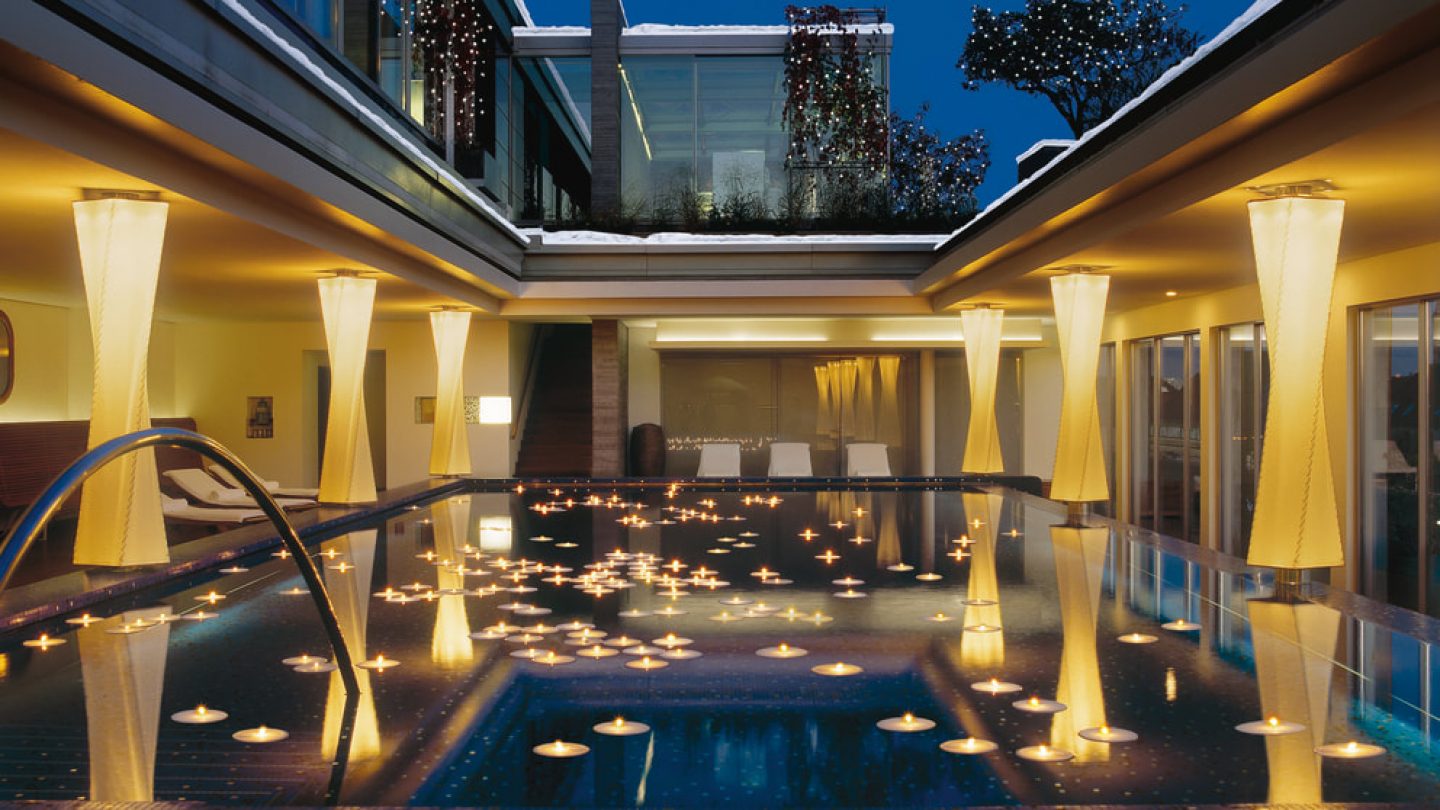
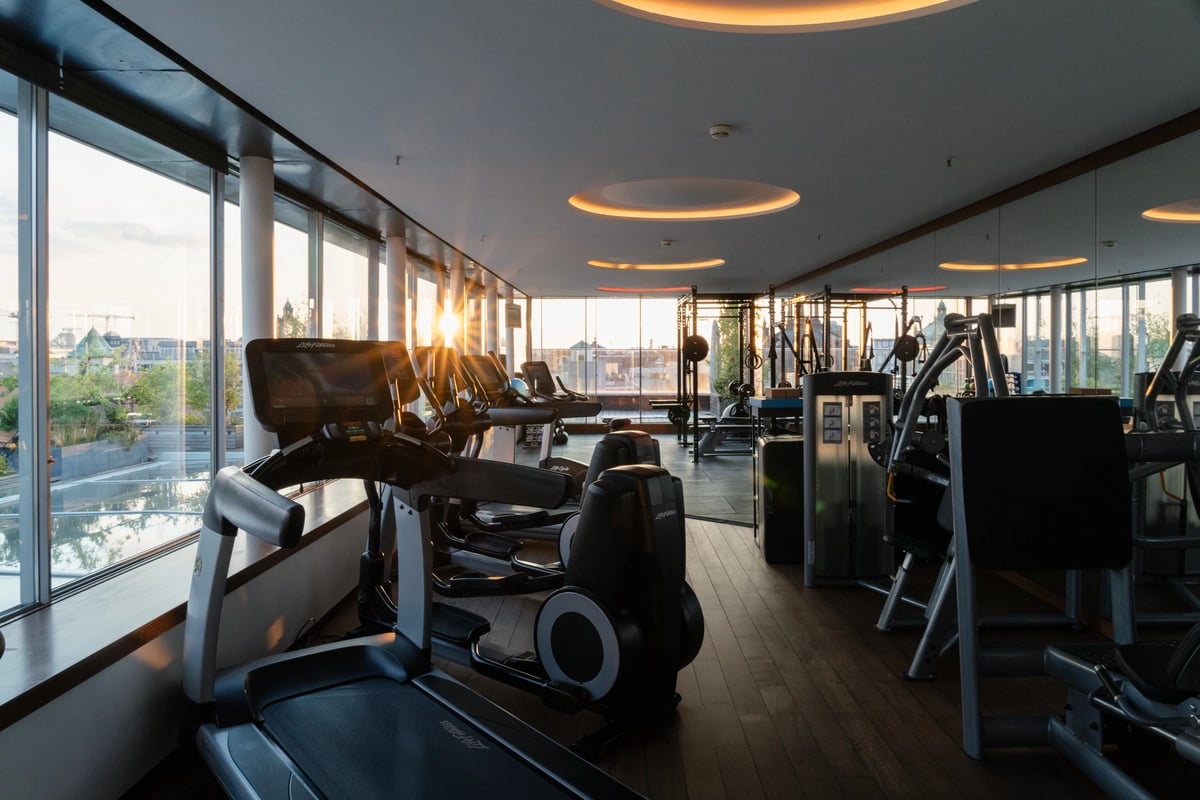
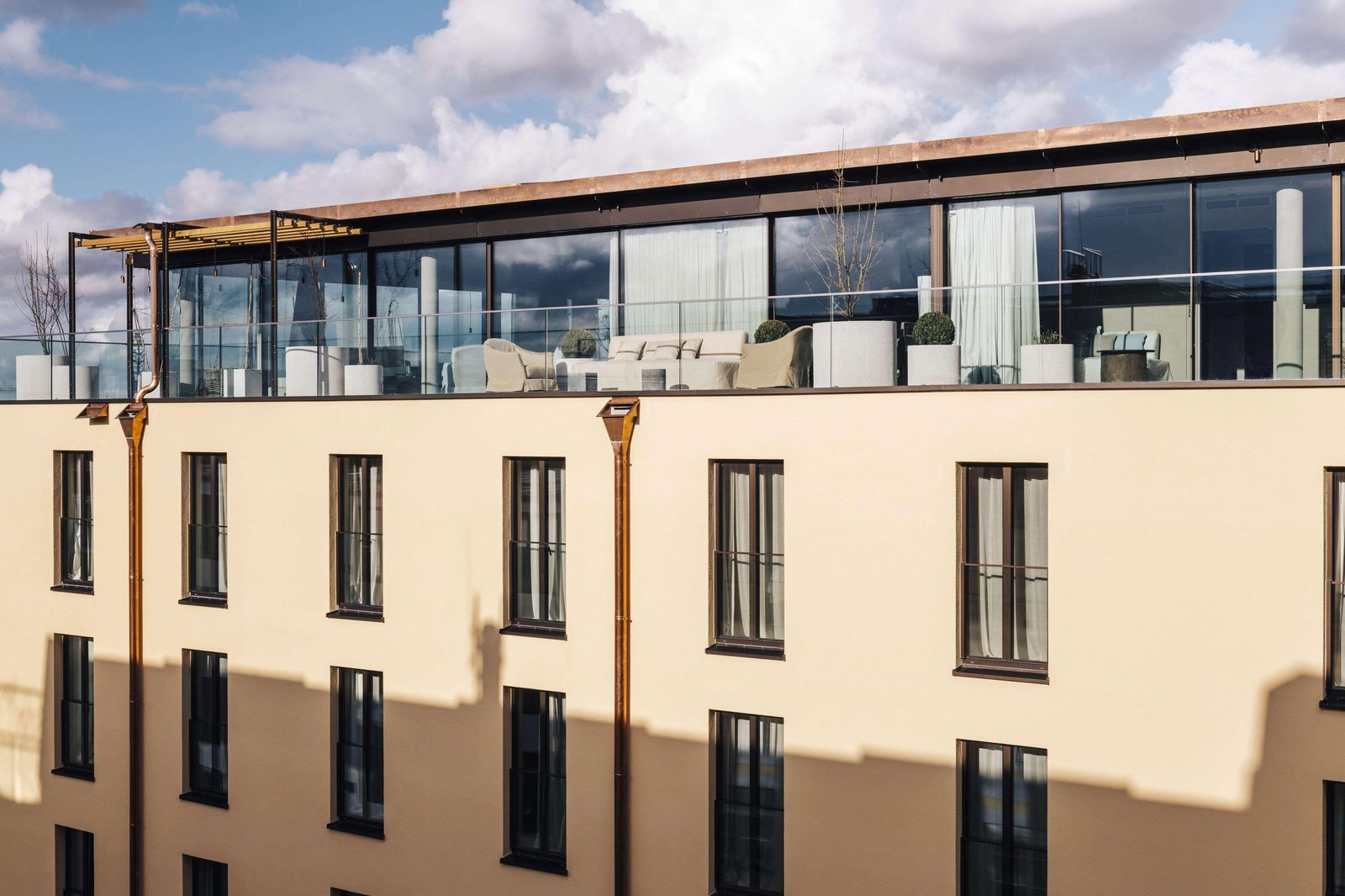
A four-level spa features an aroma steam bath and a rooftop pool beneath a retractable glass roof with an open fireplace.
Backstory
Commissioned in 1841 by King Ludwig I, the grande dame has been guided across four generations by the Volkhardt family.
Eat & drink
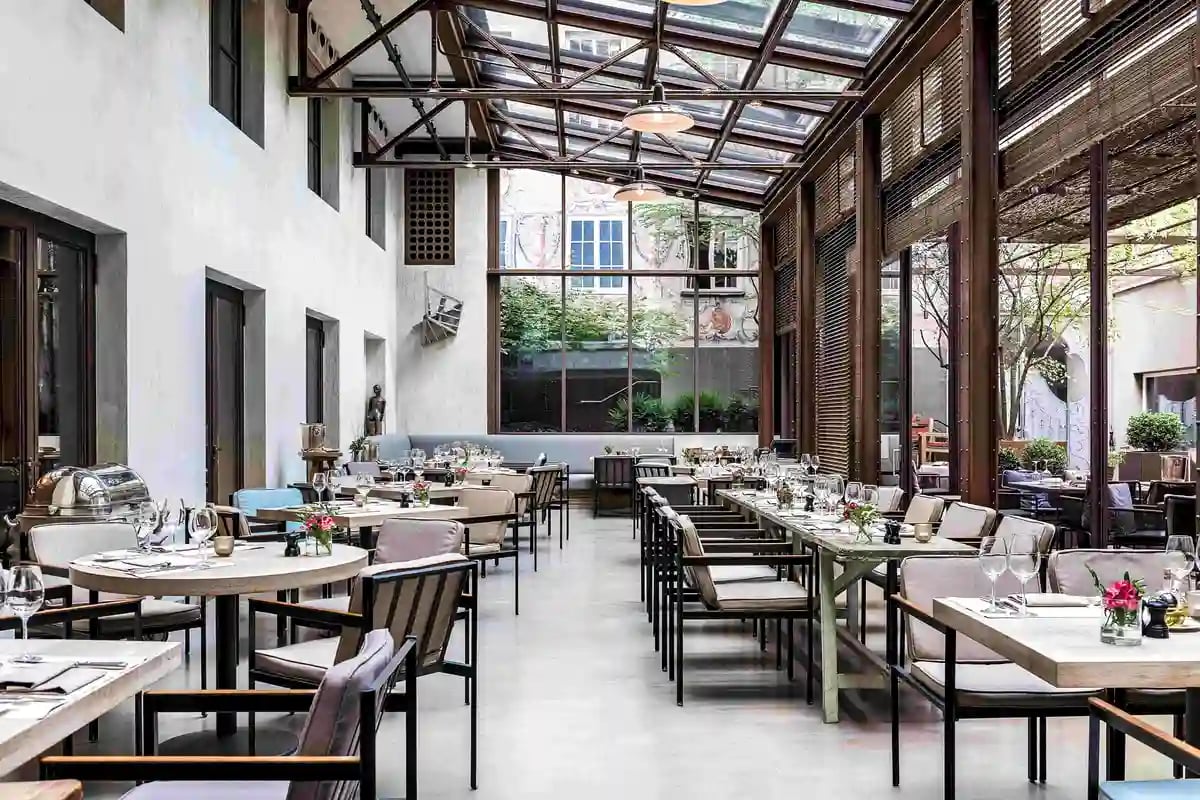
Venues range from two-Michelin-starred Atelier and a vaulted 15th-century cellar to tiki cocktails at Trader Vic's and falk's Bar.
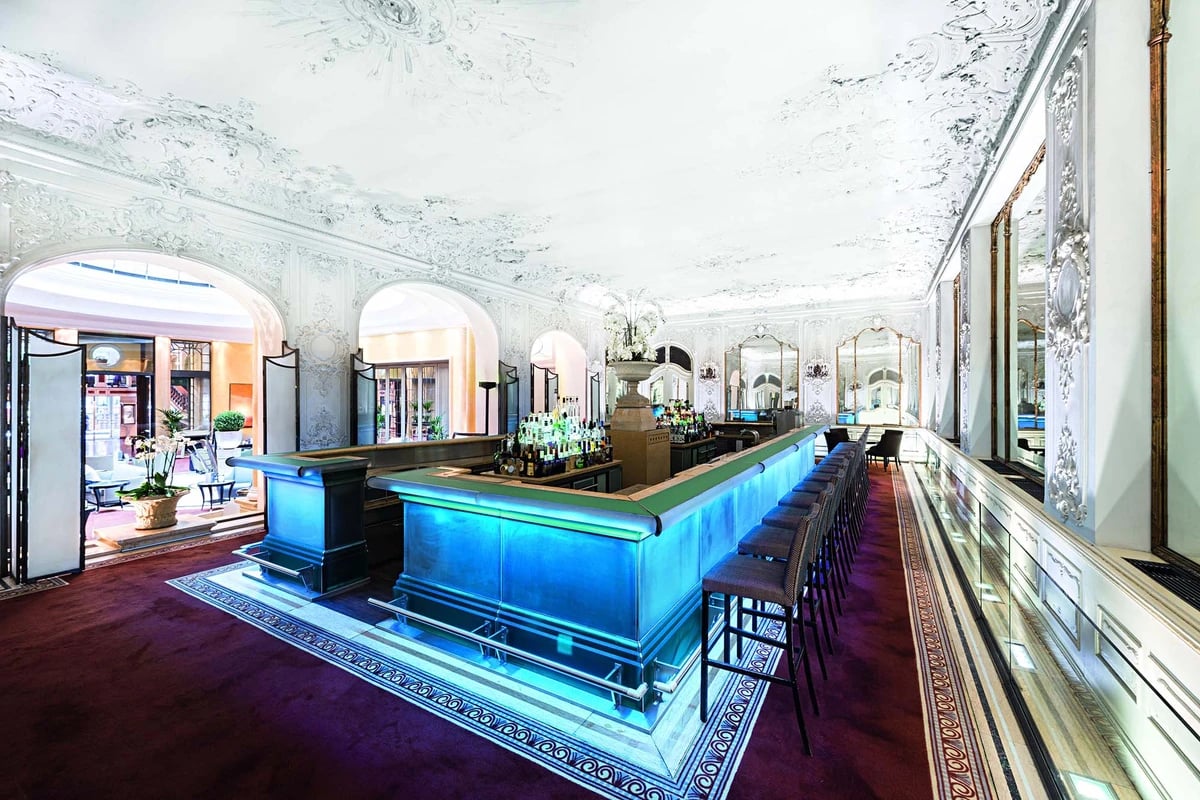
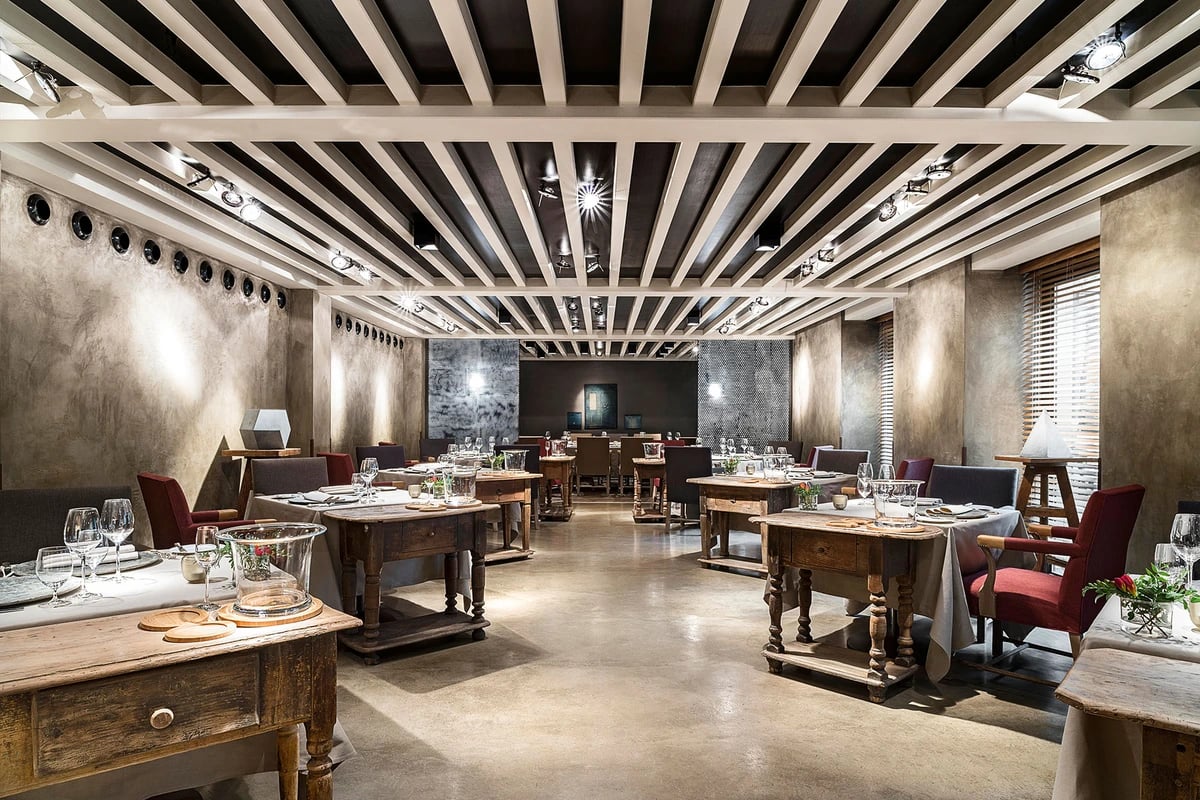
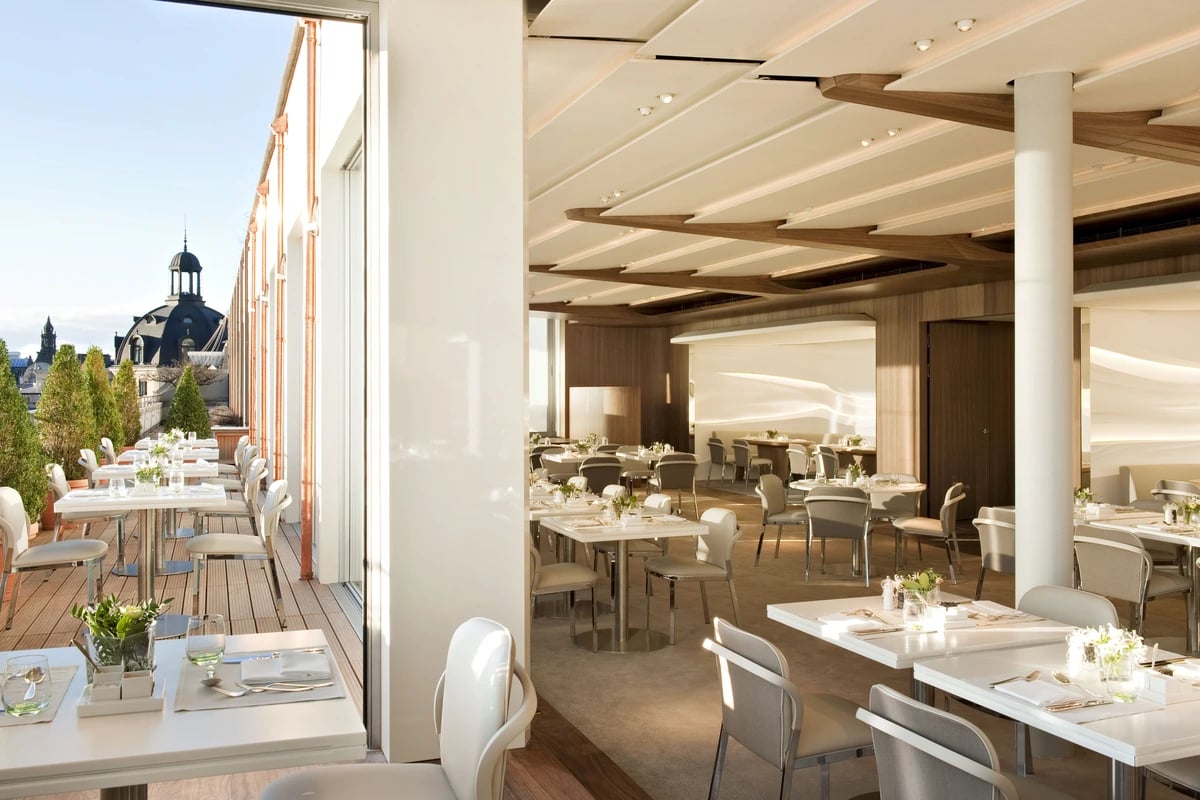
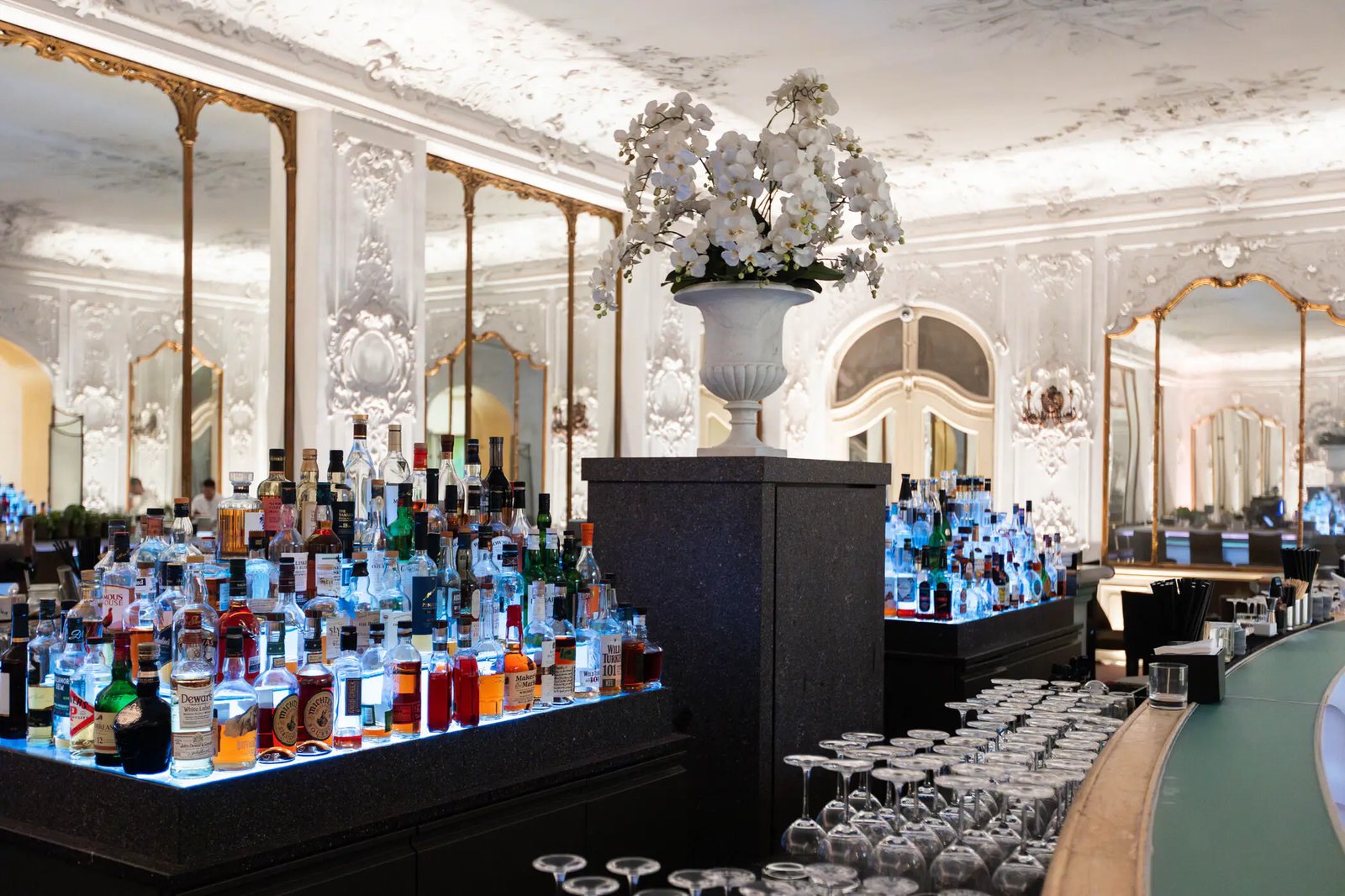
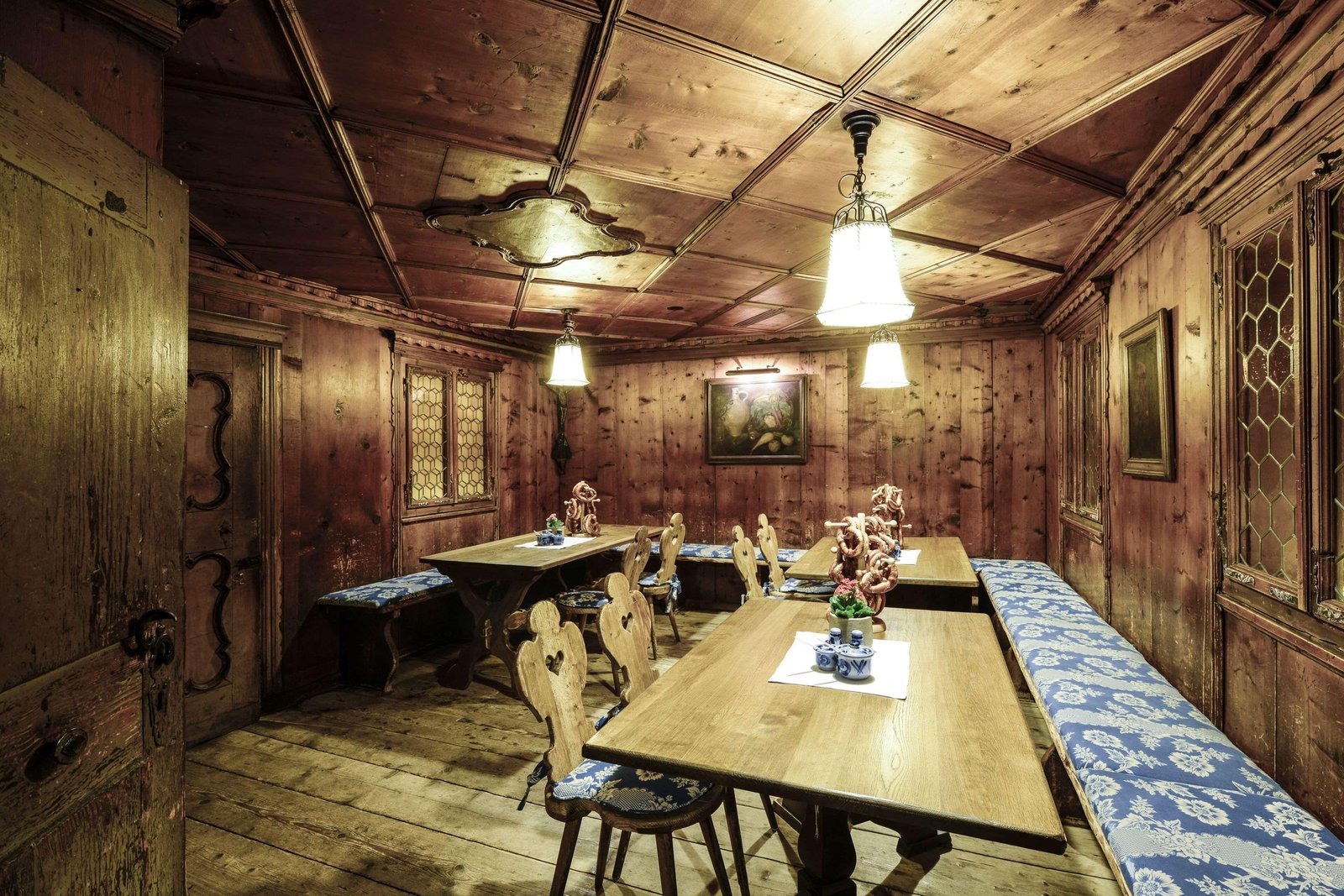
The neighborhood
Set on Promenadeplatz, the hotel puts the Frauenkirche, Marienplatz, and the Bavarian State Opera within an easy stroll.
More like this
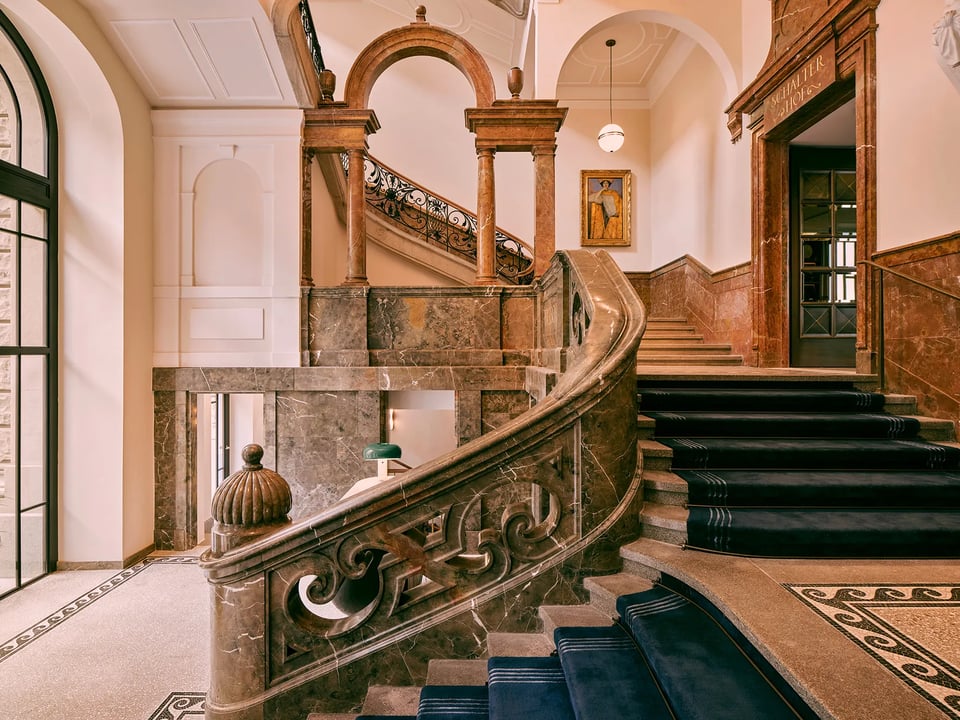
Rosewood Munich
“Aristocratic heirloom quarters”
Central
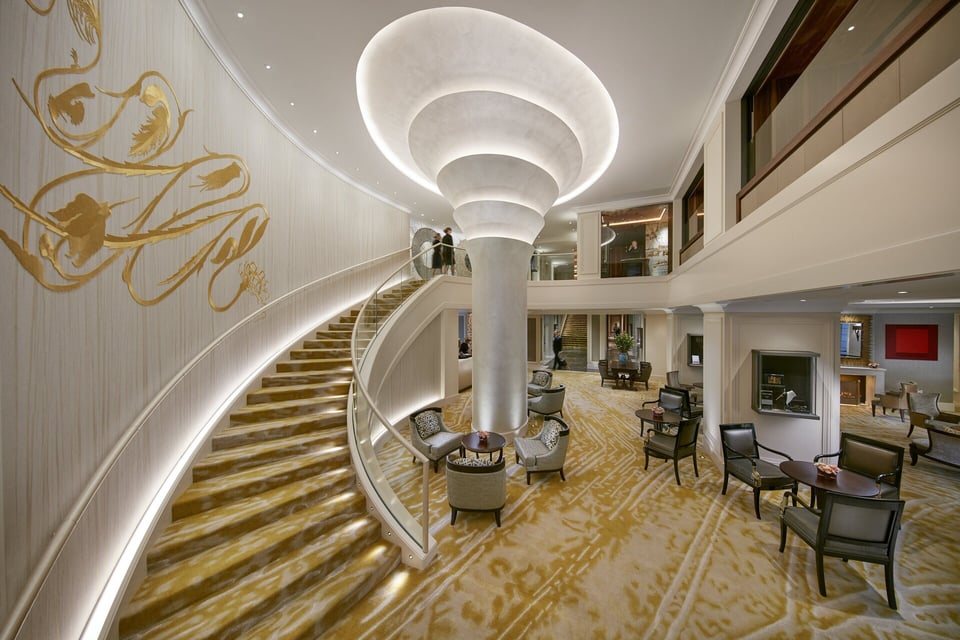
Mandarin Oriental, Munich
“Neo-Renaissance ballroom citadel”
Central
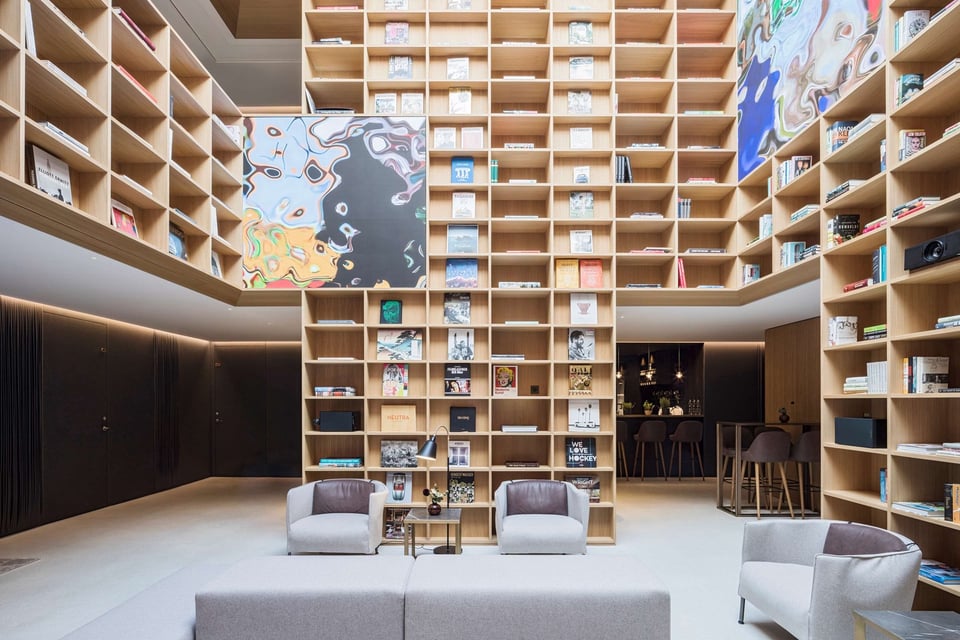
BEYOND by Geisel
“Intimate penthouse sanctuary”
Lively
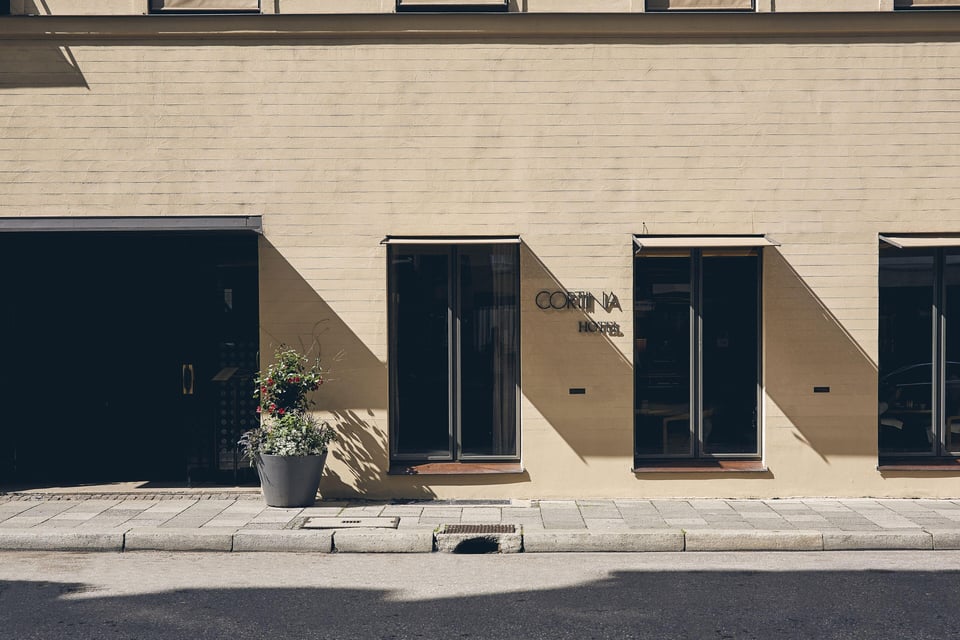
Cortiina Hotel
“Understated Old Town refuge”
Central
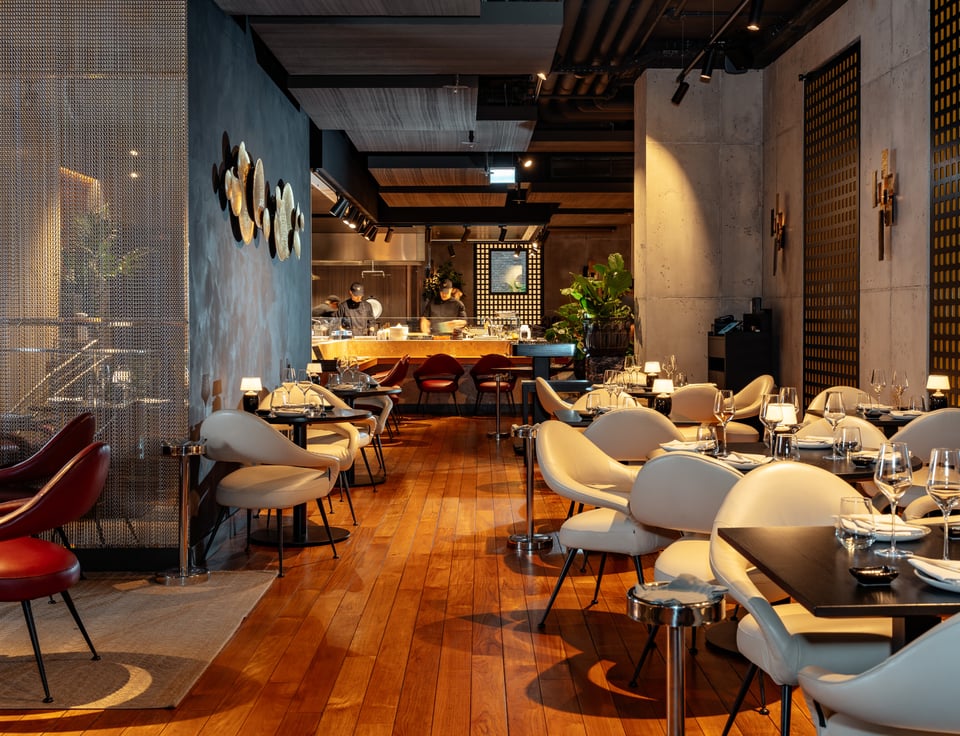
DO & CO Hotel München
“Altstadt boutique showpiece”
Central
The app
This is one hotel. The app has every one we rate, in your pocket, for the whole trip.
Our shorthand
What makes a hotel special, how well they pull it off, and what it feels like outside the door.
How well they pull it off
Extremely rare. Sets the global standard.
Brilliant execution. And we’re picky.
They did this well. You’ll notice.
A defining trait. Makes the hotel what it is.
The eight vibes
Architecture and interiors lead. There’s a creative vision at work.
The guest is conspicuously well cared for. Requests met before they’re made.
Rooted in place. Local character runs through the whole stay.
Energy and scene. Where the city goes out, whether or not it’s sleeping here.
A building with history. The story of the place is part of the stay.
Built around feeling better. Rest, sweat, soak, spa.
A hotel the city grew up with. Same rituals, same regulars.
A world of its own. No reason to leave the property.
Scene — what’s outside the door
Where things happen: restaurants, shops, people.
Well-located: walkable to some things, a short ride to more.
Away from the crowds. Getting around takes intention.
A place apart: the property is the destination.