Gion or Downtown Kyoto
Gion and downtown Kyoto face each other across the Kamo River, ten or fifteen minutes apart on foot. You’ll see both whichever you pick, so the choice is really about where you want to wake up.
Gion is the Kyoto of wooden teahouses and temple lanes, and its hotels are small and mostly expensive. Downtown is where the city eats and shops. It has twice as many of our hotels, the famous old ryokans, and rooms at every price.
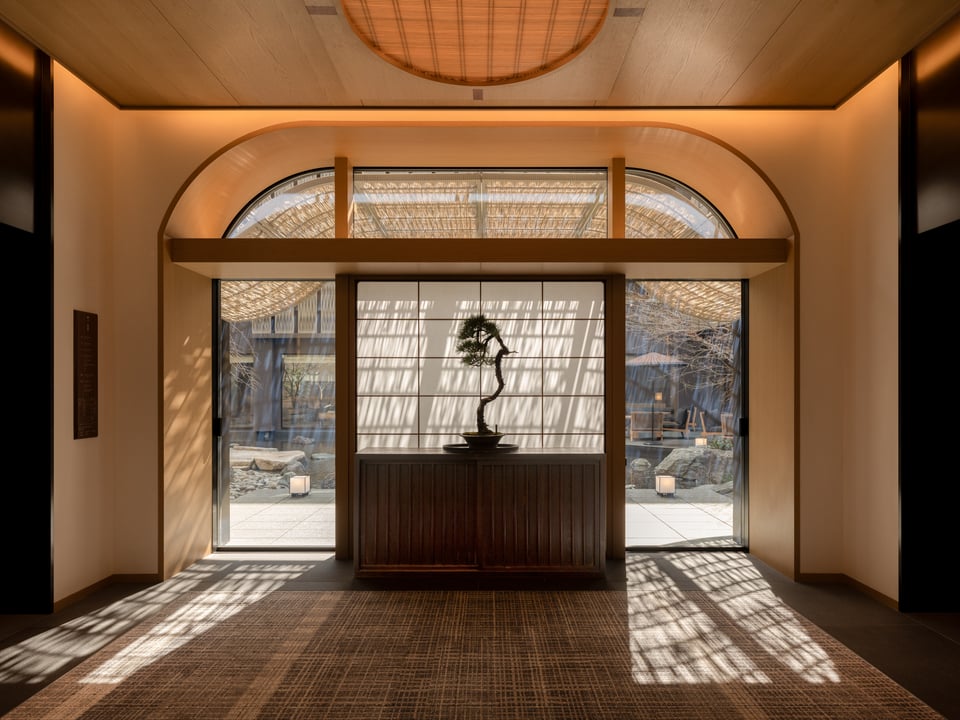
Capella Kyoto
“Latticed artisan compound”
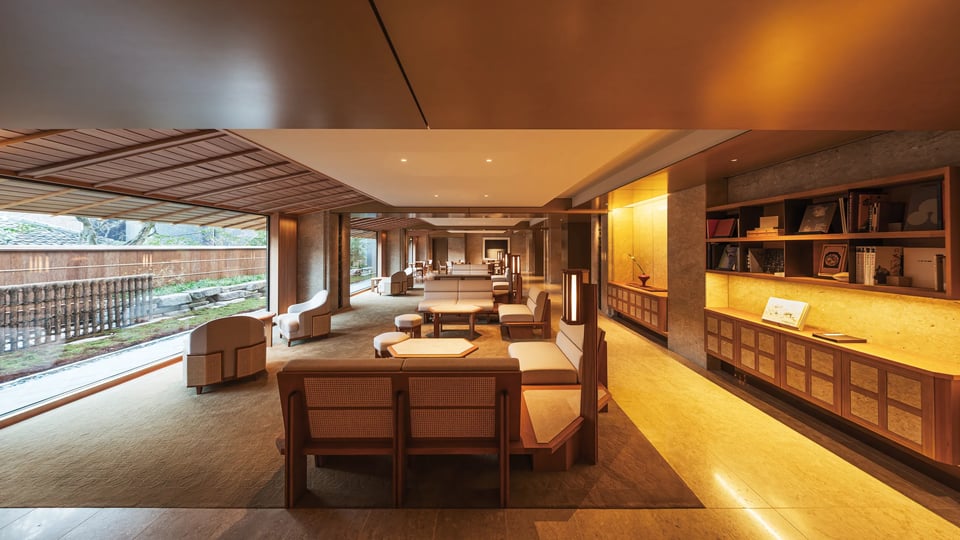
Imperial Hotel Kyoto
“Restored Gion theatre”
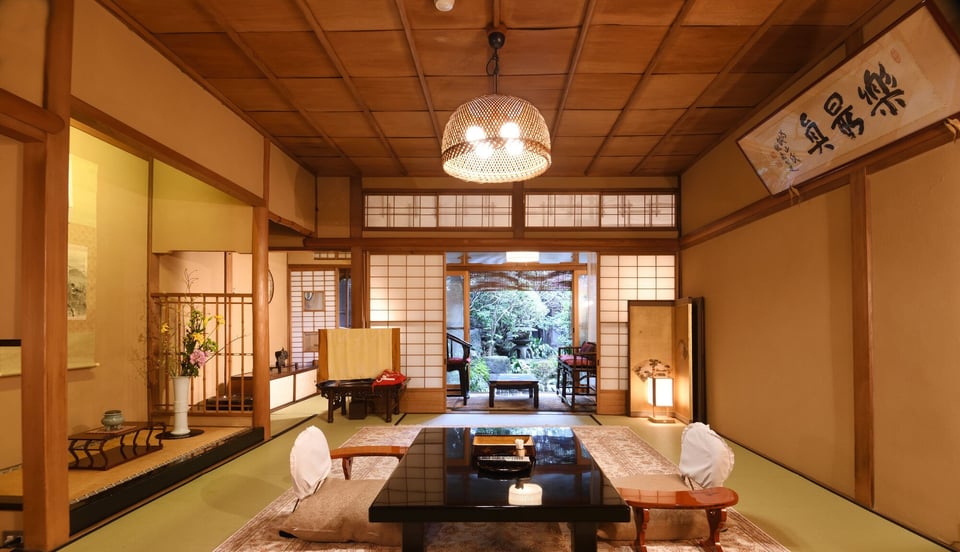
Seikoro Ryokan
“Edo family ryokan”
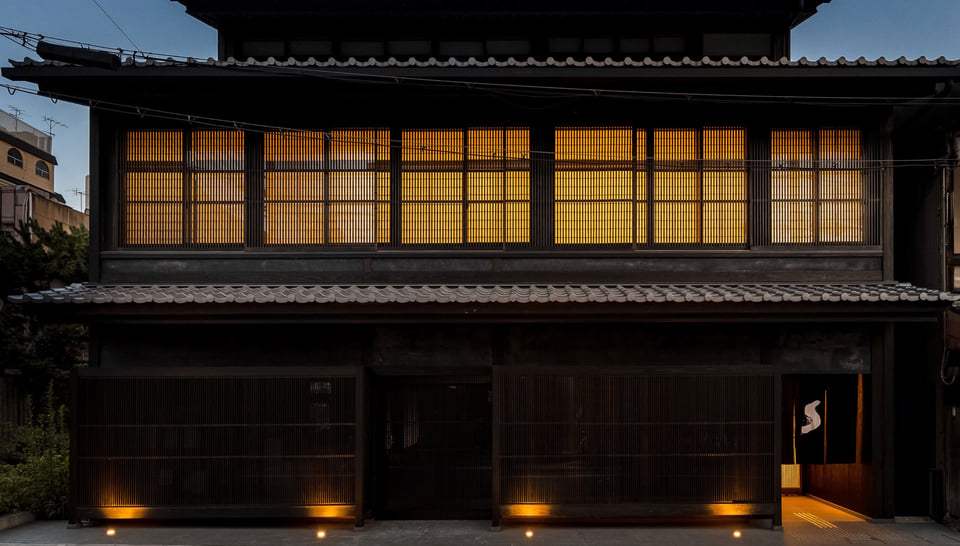
The Shinmonzen
“Modernist riverside ryokan”
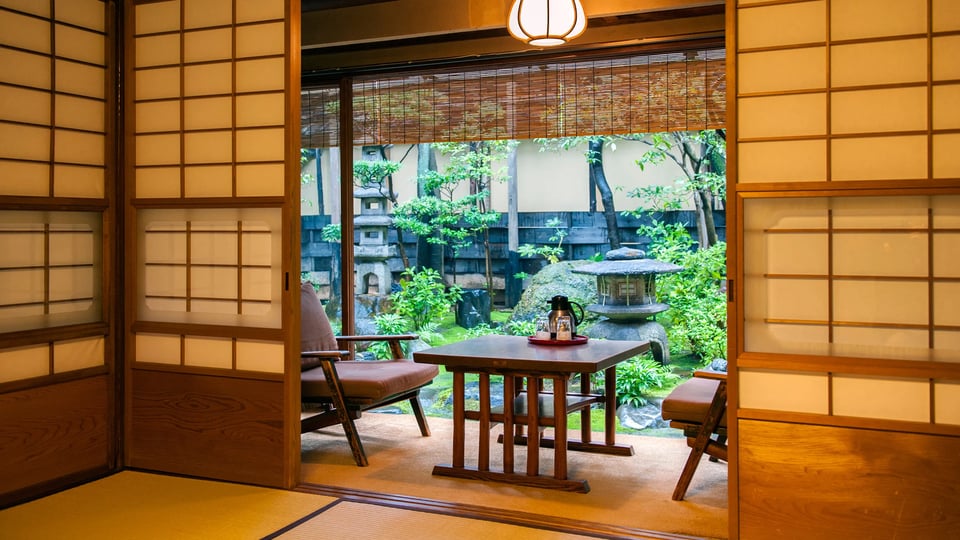
Hiiragiya Ryokan
“Six-generation family ryokan”
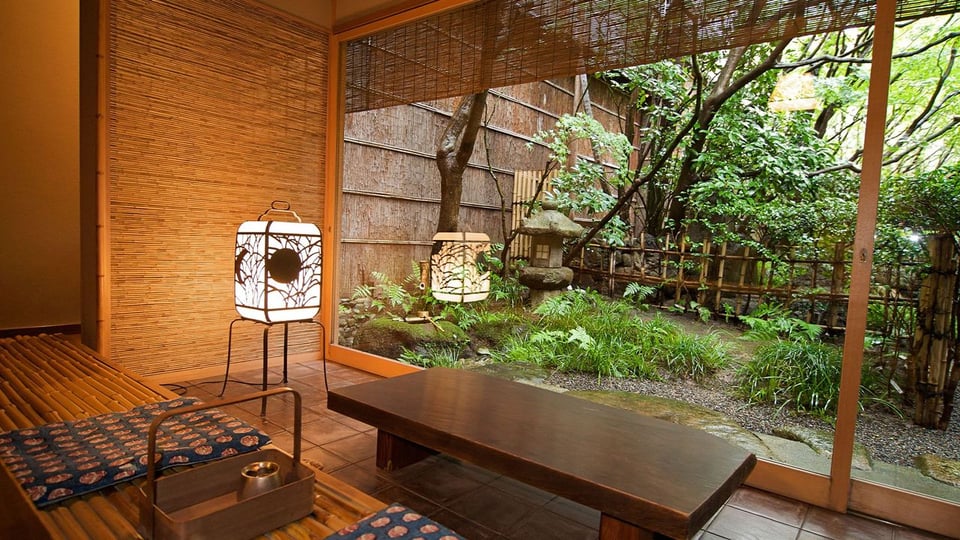
Tawaraya Ryokan
“Family-run kaiseki ryokan”
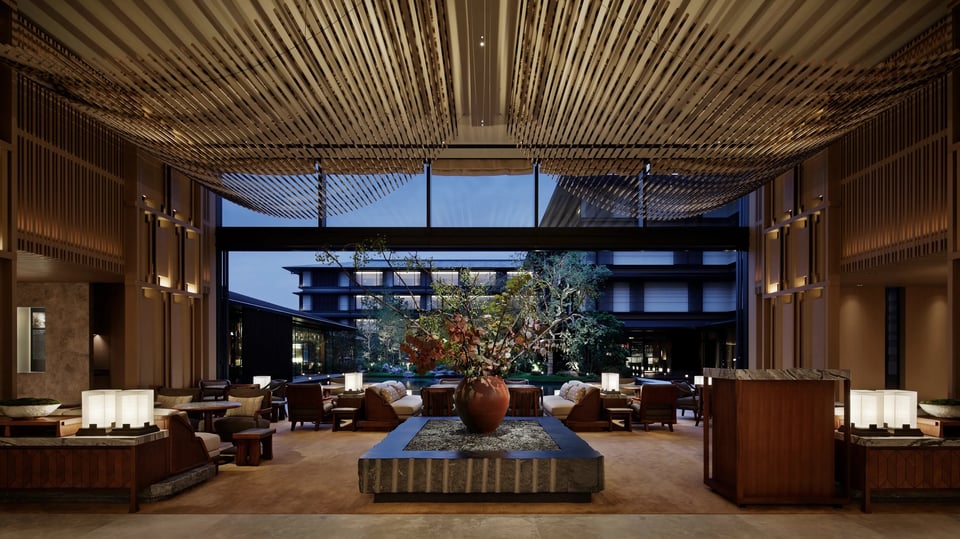
Hotel The Mitsui Kyoto
“Ancestral onsen mansion”
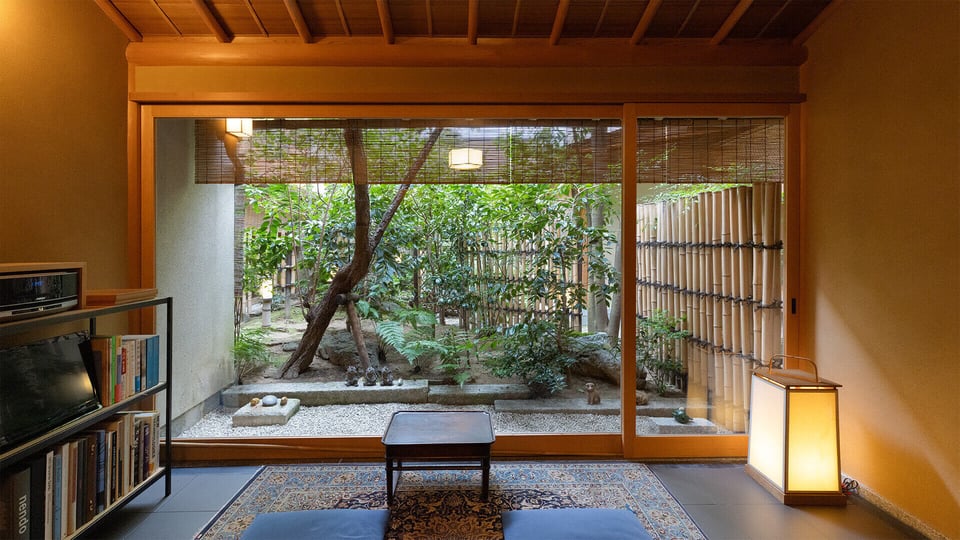
Kanamean Nishitomiya
“Meiji family ryokan”
16
34
7 silver, 8 bronze
4 gold, 8 silver, 19 bronze
Design, Local, Luxe
Design, Local, Heritage
From $250 per night
From $100 per night
9
15
1
4
6
9
On the map
What it’s like
Gion
Gion is the old entertainment quarter, and it still works the way it has for centuries. In the early evening you may see a geiko or a maiko slipping into a teahouse on Hanamikoji, and Yasaka Shrine keeps its lanterns lit all night.
By day it’s the busiest part of Kyoto, with tour groups on every corner. Early in the morning and after dinner it empties, and that’s when staying here pays off. The stone lanes up to Kodai-ji and Kiyomizu-dera are a walk from your door.
Downtown Kyoto
Downtown is the working centre of the city, a grid of streets between the river and Nijo Castle. Nishiki Market runs through the middle of it, five blocks of pickles, tofu, grilled eel and kitchen knives, and the covered arcades beside it are where Kyoto shops.
It looks modern from the main roads. Turn down any side street and you’re among wooden townhouses, tiny shrines and some of the oldest inns in Japan.
Where the hotels are
Gion
The grandest are right in the geisha quarter. Imperial Hotel Kyoto is inside a restored 1936 theatre on the Gion Kobu grounds, and Capella Kyoto stands beside the geisha theatre in Miyagawa-cho, facing Kennin-ji temple.
Along the Shirakawa canal, the prettiest corner of Gion, are The Shinmonzen, Hotel Mume and Akekure Kyoto Shirakawa, three small hotels among the antique shops.
By Yasaka Shrine you’ll find Hotel Chourakukan, a Meiji villa inside Maruyama Park, and Yuzuya Ryokan next to the shrine’s west gate. Seikoro Ryokan, to the south near the river, has been run by one family since 1831.
Downtown Kyoto
The old ryokans are within a few lanes of each other: Tawaraya Ryokan, Hiiragiya Ryokan, Sumiya Ryokan and Kanamean Nishitomiya, all a short walk from Nishiki Market. Tawaraya has been in one family since 1709.
The big modern hotels are on the edges. The Ritz-Carlton Kyoto sits on the river bank looking at the eastern hills, and Hotel The Mitsui Kyoto faces Nijo Castle, with a hot spring of its own.
In between are the newer places in old buildings: Ace Hotel Kyoto in a 1926 telephone exchange, The Gate Hotel Kyoto Takasegawa in a former schoolhouse by the canal, and a lot of small townhouse hotels.
Getting around
The two are a short walk apart, over the Shijo or the Sanjo bridge. Kyoto Station is about fifteen minutes from either by taxi or bus, and from downtown the subway does it in five.
Gion
Gion is for walking. Yasaka Shrine, Kennin-ji, Kodai-ji and Kiyomizu-dera are all on foot, and the Keihan line from Gion-Shijo station runs straight to Fushimi Inari and on to Osaka.
For Arashiyama or the Golden Pavilion you’ll want a taxi, or to cross the river for the trains downtown.
Downtown Kyoto
Downtown has the trains. Two subway lines cross at Karasuma Oike, and the Hankyu line from Kawaramachi goes straight to Osaka and, with one change, to Arashiyama.
Nijo Castle and the Imperial Palace gardens are a walk or one stop away.
After dark
Gion
Gion at night is quiet and beautiful. The lanterns come on, the crowds leave, and you can walk the lanes almost alone.
Dinner is the event here, and many of the hotels serve it. Seikoro Ryokan brings kaiseki to your room, Capella Kyoto has a twelve-seat counter by SingleThread, and the Library Bar at Hotel Chourakukan pours old Madeira in a wood-panelled study.
Downtown Kyoto
Downtown is where Kyoto goes out. Pontocho is a lantern-lit alley of restaurants beside the river, some with terraces over the water in summer, and Kiyamachi, one street over, has the bars.
Among our hotels, Ace Hotel Kyoto has a rooftop terrace and a busy lobby, and The Bar at The Ritz-Carlton Kyoto is the grown-up choice.
Shopping and food
Gion
Gion’s shops are small and old: antique dealers on Shinmonzen-dori, and shops for sweets, ceramics and green tea.
Eating here is mostly kaiseki and other set dinners, and the good places need booking well ahead. It’s a wonderful place for one long dinner and a harder one for a quick bite.
Downtown Kyoto
This is where to eat without a plan. Nishiki Market covers lunch, the department store food halls cover everything else, and there are more ramen counters, izakaya and coffee shops than you could get through in a month.
The Teramachi and Shinkyogoku arcades are the main shopping streets, and the big department stores are on Shijo.
By kind of trip
Gion
Downtown Kyoto
A first visit
Gion
Stay here if this is the Kyoto you’ve pictured. The Celestine Hotel Gion is beside Kennin-ji, a short stroll from Hanamikoji.
Downtown Kyoto
Stay here if you want it easy: more places to eat, the subway, and Gion a walk away. Ace Hotel Kyoto sits on top of Karasuma Oike station.
A ryokan
Gion
Seikoro Ryokan for the long history, or Yuzuya Ryokan, a small yuzu-scented inn beside Yasaka Shrine.
Downtown Kyoto
This is downtown’s strength. Tawaraya Ryokan and Hiiragiya Ryokan both hold our gold medals for Heritage and Local, and Sumiya Ryokan grew up around the tea ceremony.
With children
Gion
OMO5 Kyoto Gion has tatami rooms opposite Yasaka Shrine.
Downtown Kyoto
MIMARU Suites Kyoto Central has apartments with tatami, and Hotel Okura Kyoto has a pool and the subway underneath.
On a budget
Gion
Gion has little at the low end. Sakanoue Hotel, a renovated 1960s inn near Kodai-ji, and Kyoto Granbell Hotel are the places to look.
Downtown Kyoto
Plenty. Piece Hostel Sanjo and The Millennials Kyoto cost the least, and Node Hotel, which holds a silver medal for Design, is a step up.
A special stay
Gion
Imperial Hotel Kyoto or Capella Kyoto, both new in 2026 and both in the middle of the geisha quarter, or The Shinmonzen on the canal.
Downtown Kyoto
Tawaraya Ryokan, if you can get a room. Otherwise Hotel The Mitsui Kyoto or The Ritz-Carlton Kyoto, which both hold our gold medal for Luxe.
Design
Gion
Maana Kamo, a century-old townhouse stripped back to its frame, and The Shinmonzen.
Downtown Kyoto
Ace Hotel Kyoto, MOGANA and Node Hotel, all with silver medals for Design.
Which to choose
Choose Gion if old Kyoto is the reason you’re coming.
You’re paying to have the temple lanes to yourself at seven in the morning and again after dark. It suits a short stay, a special occasion, and anyone happy to plan dinners ahead.
Choose downtown if you want Kyoto to be easy.
It has more hotels, lower prices, the best ryokans, the market, the nightlife and the trains, and Gion is across the bridge. It suits a longer stay, and a first visit with a lot to see.
Questions
Is it better to stay in Gion or downtown Kyoto?
Downtown is the easier base and has far more choice. Gion is the more atmospheric one, and worth it for a short stay if you can afford it. They’re ten or fifteen minutes apart on foot, so you’ll spend time in both either way.
How far is Gion from downtown Kyoto?
Ten to fifteen minutes on foot, over the Shijo or the Sanjo bridge. Gion-Shijo and Kyoto-Kawaramachi stations are on opposite banks of the river, a few minutes apart.
Is Gion a good place to stay in Kyoto?
Yes, if you want atmosphere more than convenience. You’ll be among the teahouses and a walk from Kiyomizu-dera, and you’ll have the lanes almost to yourself early and late. There are fewer hotels, fewer casual places to eat and fewer trains than downtown.
Should I stay in Gion or near Kyoto Station?
Kyoto Station is the most practical base for bullet trains and day trips, and the least pretty part of the city. Gion is the opposite. Downtown sits between the two, which is why most people choose it.
Should I stay in Gion or Kawaramachi?
Kawaramachi is the eastern edge of downtown, by the river, so it’s the part of downtown closest to Gion. Stay there if you want the restaurants and bars of Pontocho at the door and Gion five minutes away.
Which is cheaper?
Downtown. It has many more mid-priced and budget hotels, and its cheapest rooms start well below Gion’s. Gion has a handful of mid-priced hotels and nothing at the bottom.
Where are Kyoto’s famous ryokans?
Mostly downtown. Tawaraya Ryokan, Hiiragiya Ryokan, Sumiya Ryokan and Kanamean Nishitomiya are within a few lanes of each other near Nishiki Market. Gion has Seikoro Ryokan, run by one family since 1831, and Yuzuya Ryokan beside Yasaka Shrine.
Can you see geisha in Gion?
Sometimes, in the early evening, on their way to appointments along Hanamikoji and in Miyagawa-cho. They’re working, so don’t stop them or photograph them up close, and some private lanes are closed to visitors.
Which is better for food?
Downtown for range: Nishiki Market, the department store food halls, Pontocho and hundreds of small restaurants. Gion for one long kaiseki dinner, which you should book ahead.
Which has more hotels?
Downtown has about twice as many of the hotels we list, including most of the ryokans and almost all of the cheaper rooms. Gion’s are fewer and smaller, and several are among the most expensive in the city.