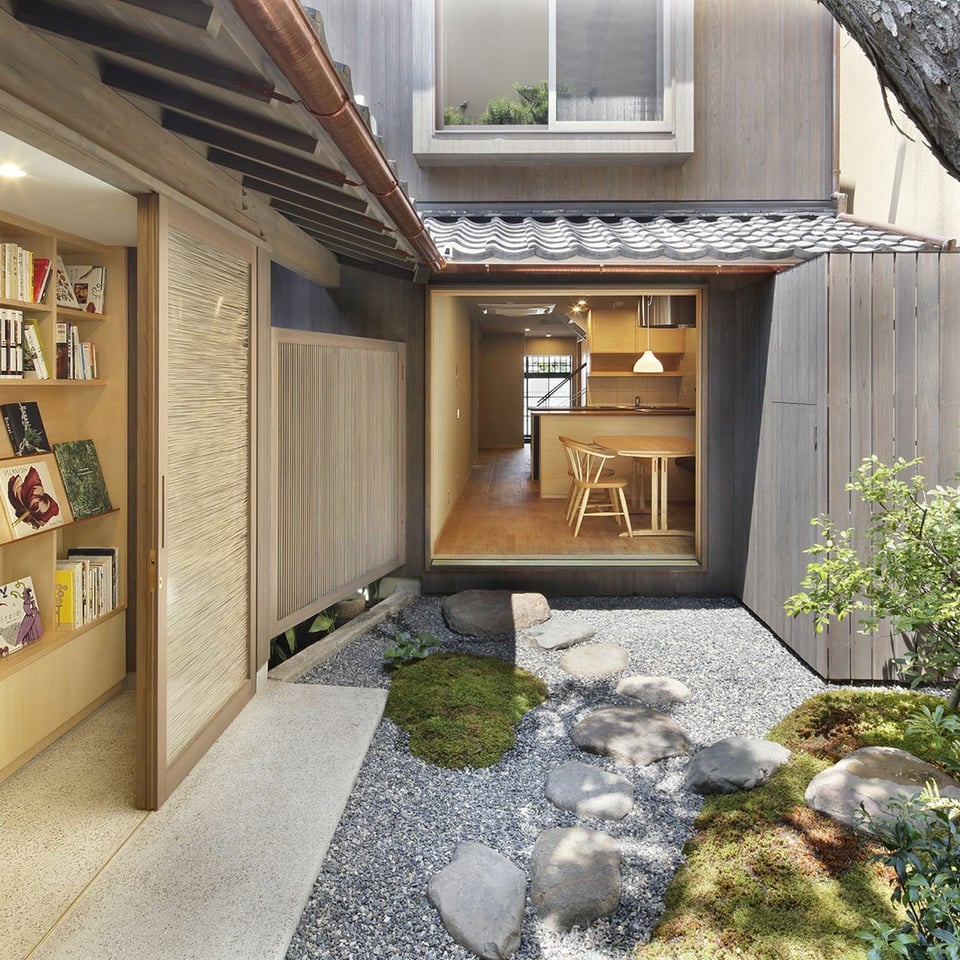
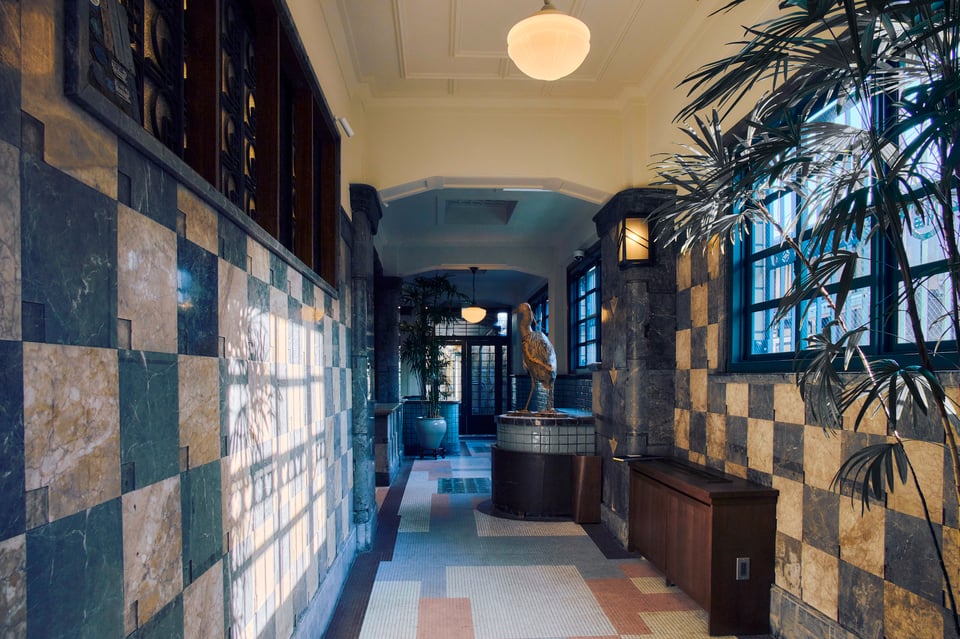
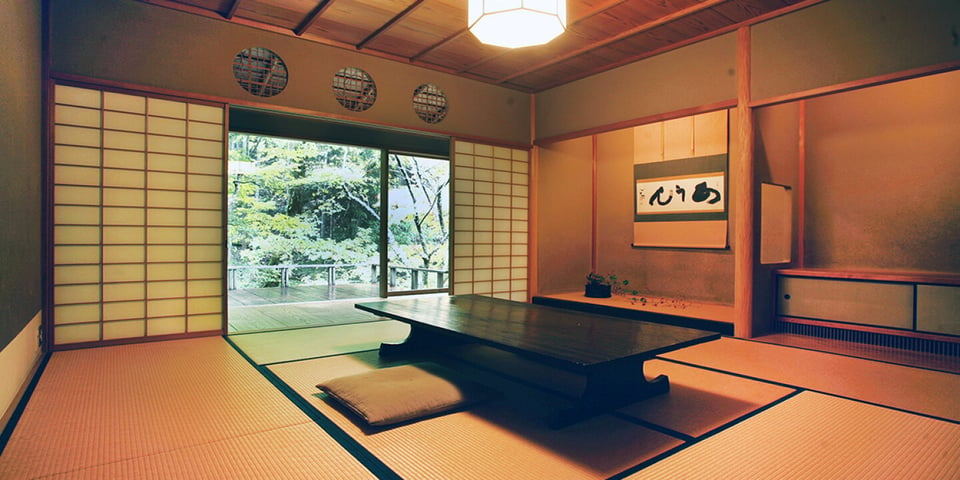
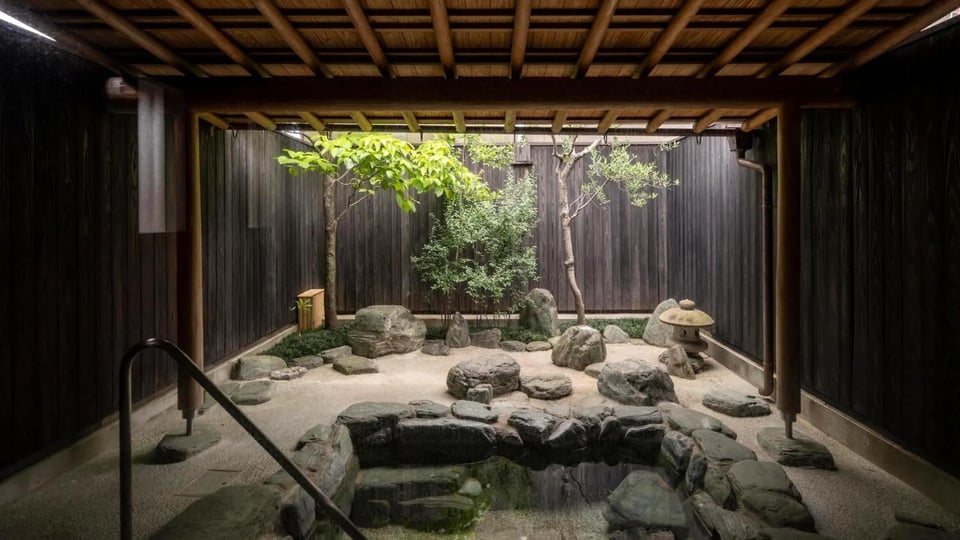
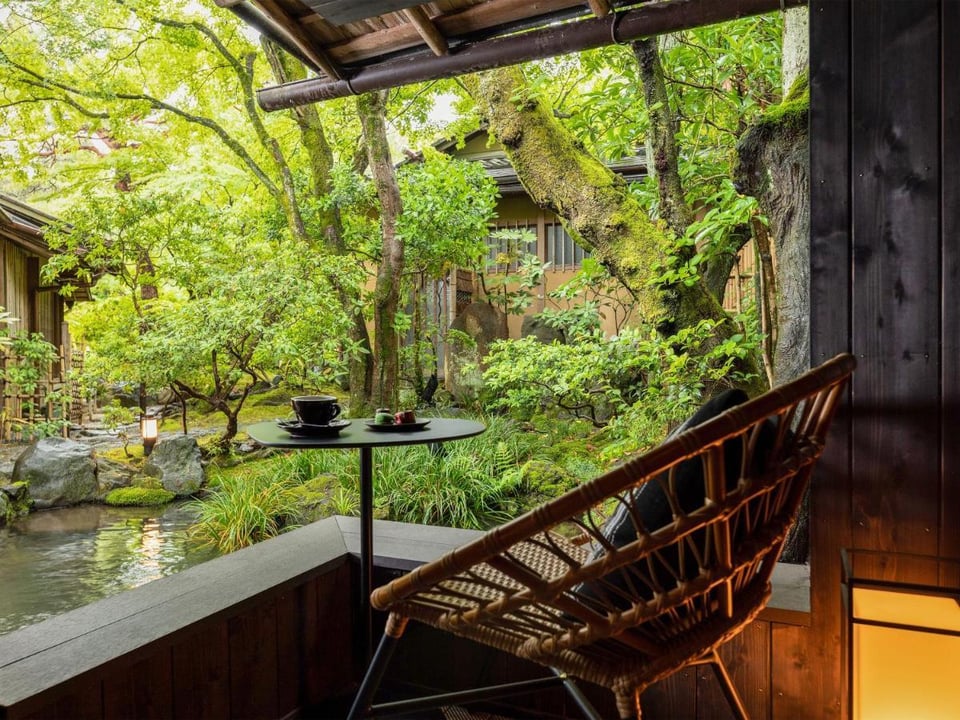
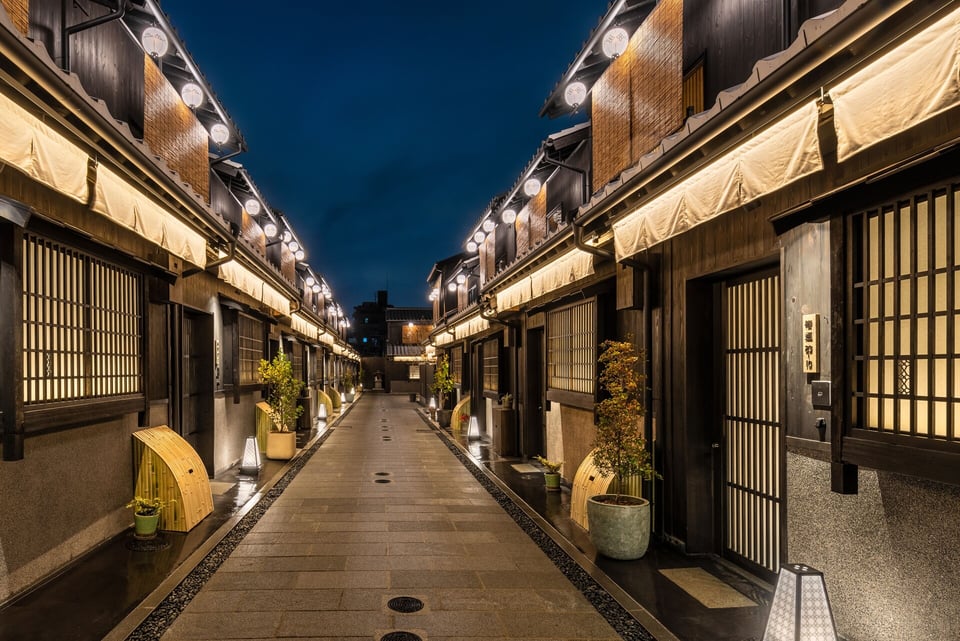
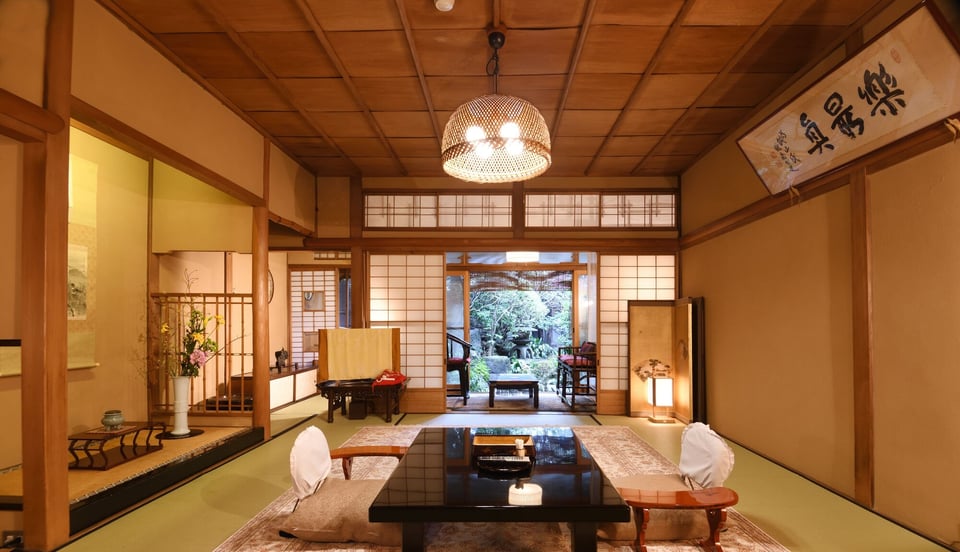
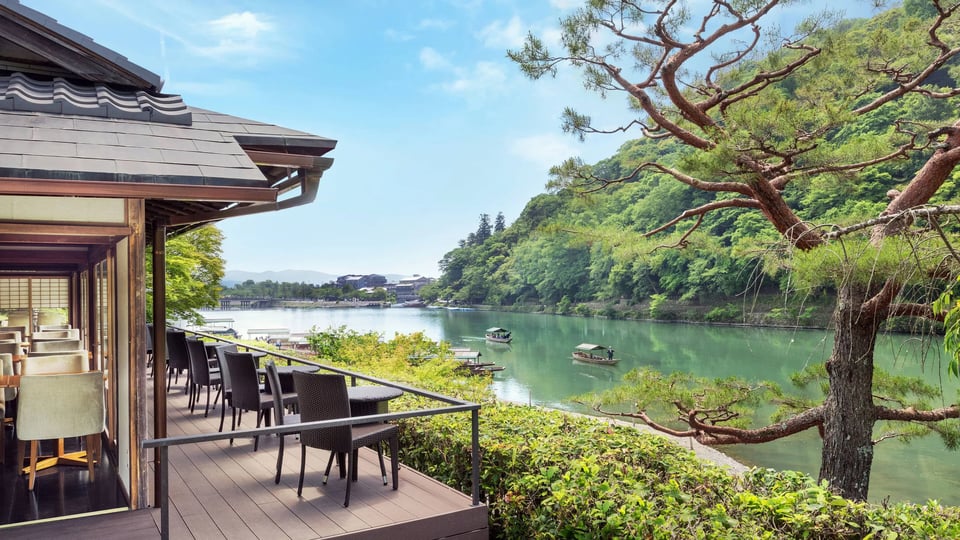
One of eight vibes
A building with a story. Once a palace, a monastery, a station.
2 hotels on this page
Extremely rare. Sets the global standard.
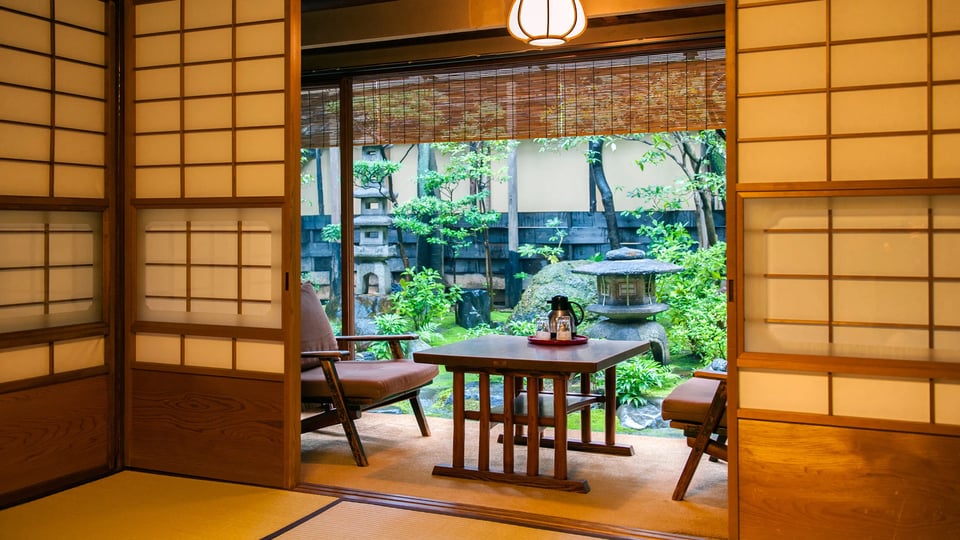
Hiiragiya Ryokan
In family hands since 1818, hosting Japanese imperial royalty and novelist Yasunari Kawabata.
Tawaraya Ryokan
Family-owned and continuously operated in central Kyoto since 1709.
23 hotels on this page
Brilliant execution. And we’re picky.
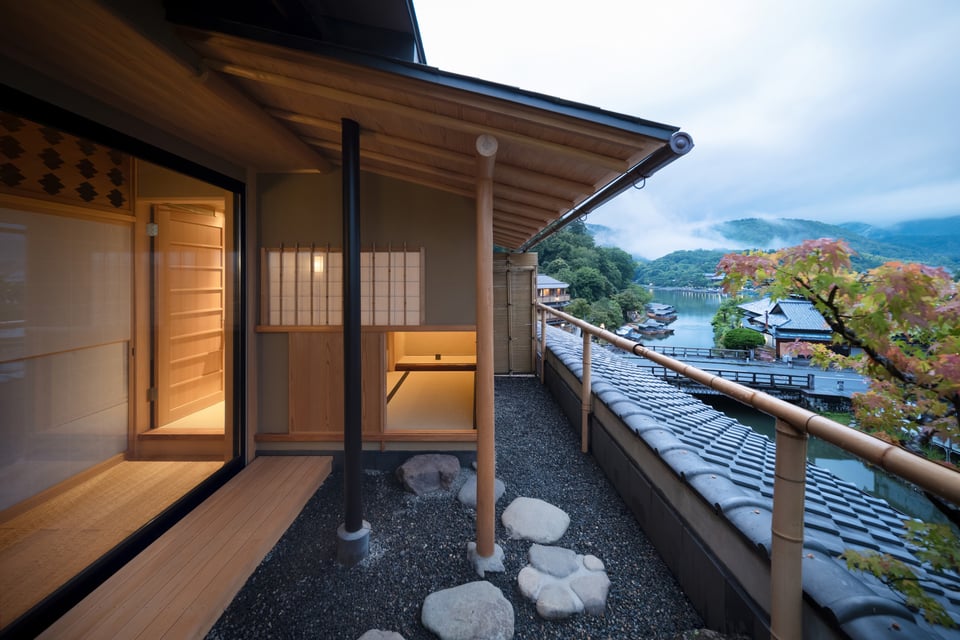
HOSHINOYA Kyoto
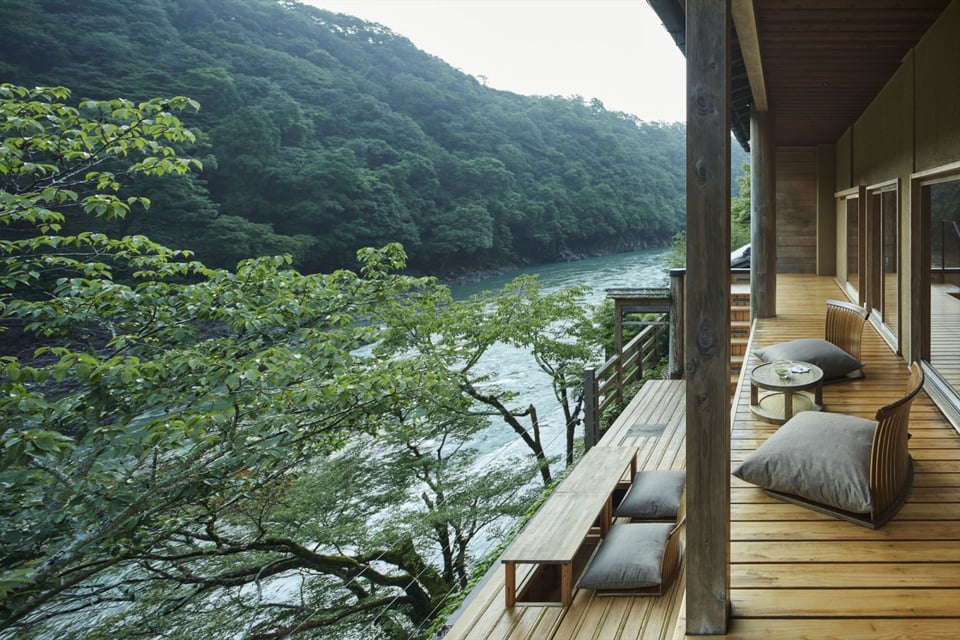
Preserved Meiji-era ryokan pavilions and seventeenth-century merchant grounds along the riverbank.
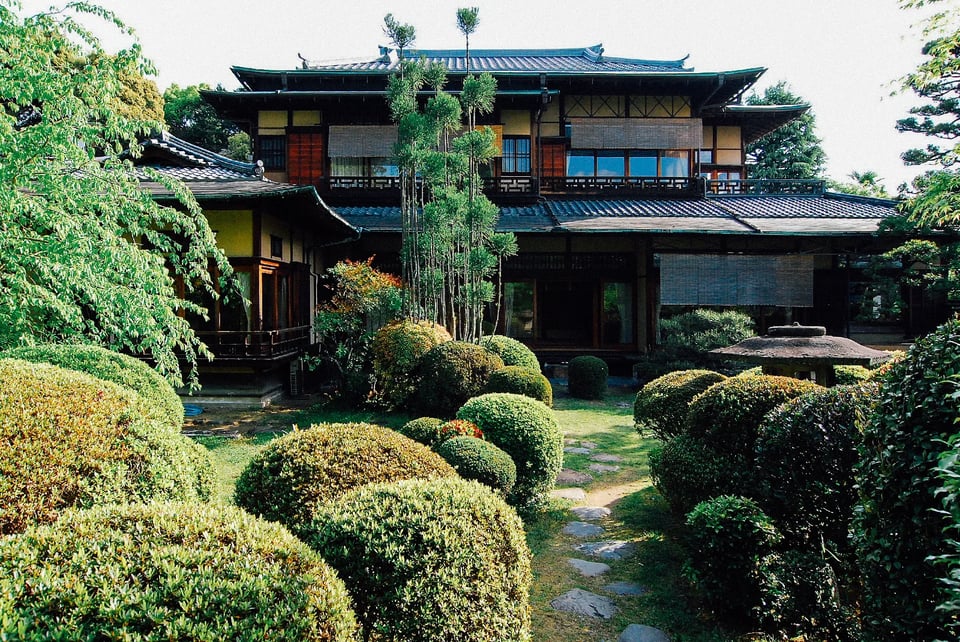
Hotel Chourakukan
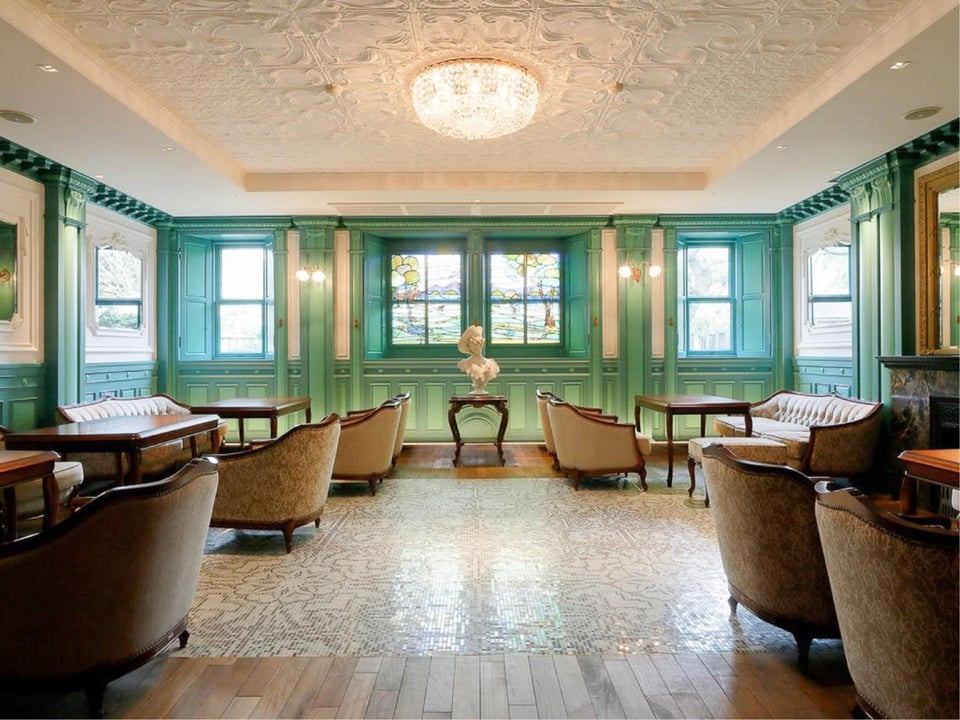
A 1909 Meiji-era villa and designated National Important Cultural Property with preserved period salons.
Hotel Utano Kyoto Bessho
Registered early Showa tangible cultural property featuring preserved sukiya craftsmanship and a Mirei Shigemori stroll garden.
Imperial Hotel Kyoto
The restored 1936 Yasaka Kaikan theater preserves original copper roofs and hand-cleaned tiles.
Izuyasu
A timber machiya founded in 1839 to lodge Buddhist pilgrims visiting neighbouring Higashi Hongan-ji Temple.
Kanamean Nishitomiya
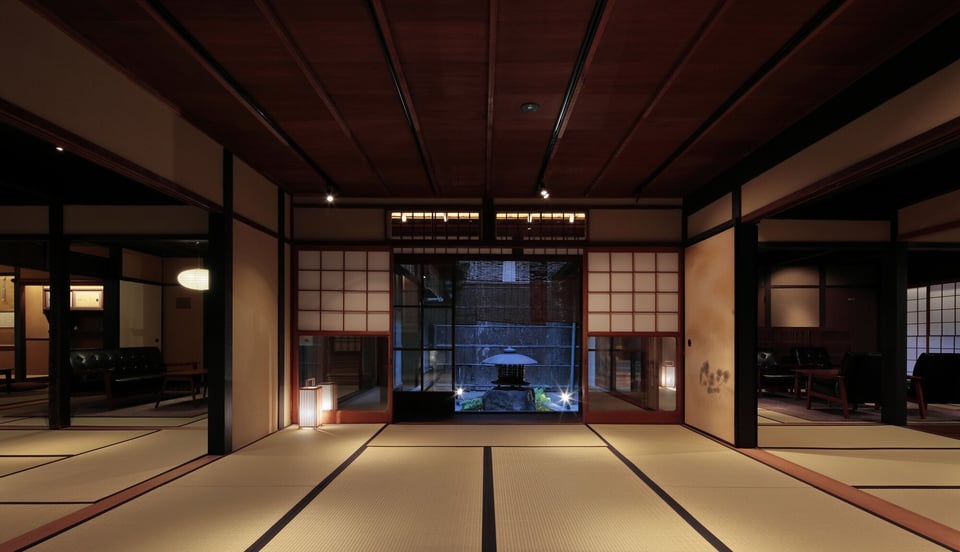
An 1873 Meiji-period machiya townhouse preserved with traditional timber joinery and an inner courtyard garden.
Kyo no Ondokoro Goshonishi #6
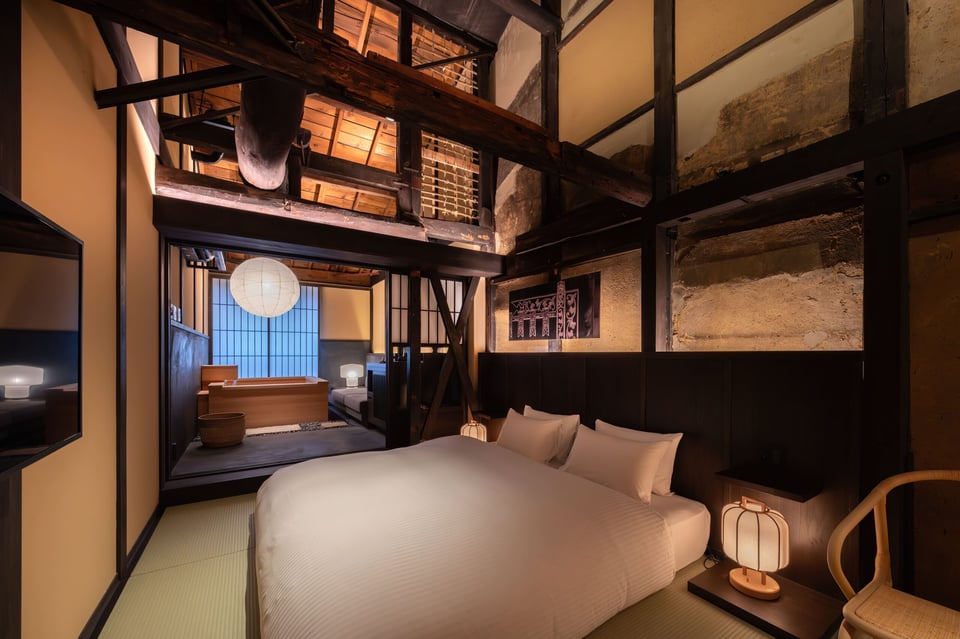
Preserved 120-year-old wooden machiya retaining its original exposed ceiling timber beams and traditional joinery.
Kyo No Ondokoro Kamanza Nijo #2
A restored 150-year-old merchant townhouse organized around an interior courtyard garden with a century-old plum tree.
Marufukuro
Restored 1933 Nintendo headquarters preserving original company plaques, Art Deco fireplaces, and playing-card motif window grilles.
Miyamasou
Established in 1895 as pilgrim lodgings for Daibizan Bujo-ji Temple.
Momoyama Onsen Tsukimikan
A registered Tangible Cultural Property dating from the 1930s early Showa era.
Nanzenji Sando Kikusui
A preserved 1895 Meiji villa surrounded by a historic pond garden crafted by master landscaper Ogawa Jihei.
Nazuna Kyoto Tsubaki St. Hotel
Over a century of Meiji-era history preserved across traditional timber kyomachiya townhouses along an authentic Kyoto roji alley.
Seikoro Ryokan
Wooden architecture dating to 1831, appointed with preserved sukiya woodwork and romantic Taisho-era antique furnishings throughout.
Suiran, a Luxury Collection Hotel
Restored 1899 Meiji villa Enmei-kaku and the 1910 thatched pavilion Hasshoken anchor the historic temple grounds.
Sumiya Ryokan
Taisho-era wooden ryokan with historic tea rooms and ironwork detailing preserved from its founding metalsmith workshop.
The Hiramatsu Kyoto
A restored 1899 kyo-machiya townhouse preserving traditional wooden lattice windows, earthen plaster walls, and structural timbers.
The Hotel Seiryu Kyoto Kiyomizu
A 1933 elementary school conversion preserving original arched brick facades, sweeping staircases, and historic classroom proportions.
The Villa Higashiyama Roji Kazeno Heritage
A preserved 120-year-old Meiji-era tea villa built by tea master Goichi Uno near historic Nene-no-Michi.
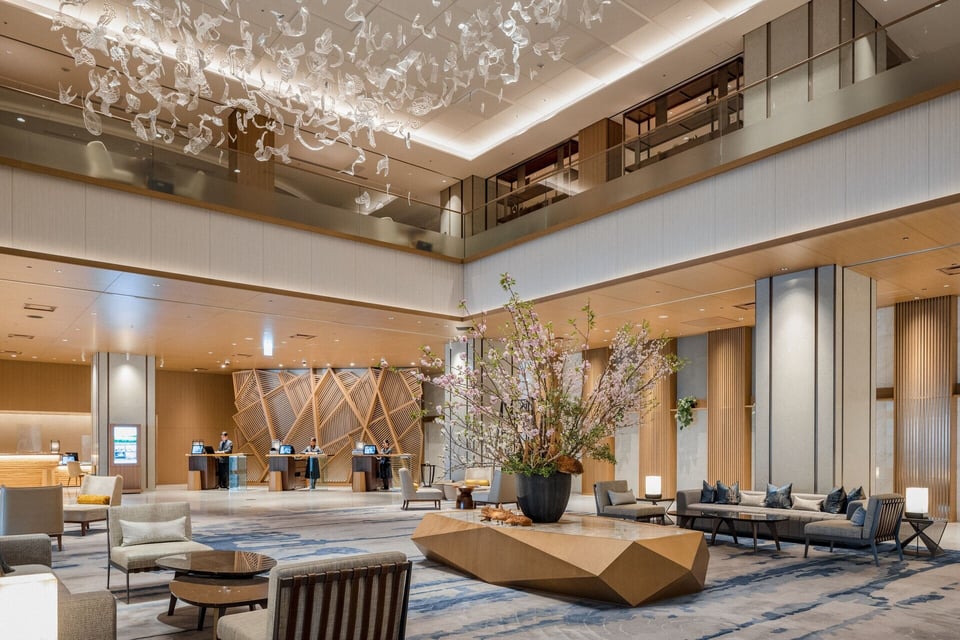
The Westin Miyako Kyoto
Togo Murano's sukiya annex Kasui-en and historic rock gardens created by Jihei Ogawa.
Togetsutei
Meiji-era ryokan welcoming guests at the southern foot of Togetsukyo Bridge continuously since 1897.
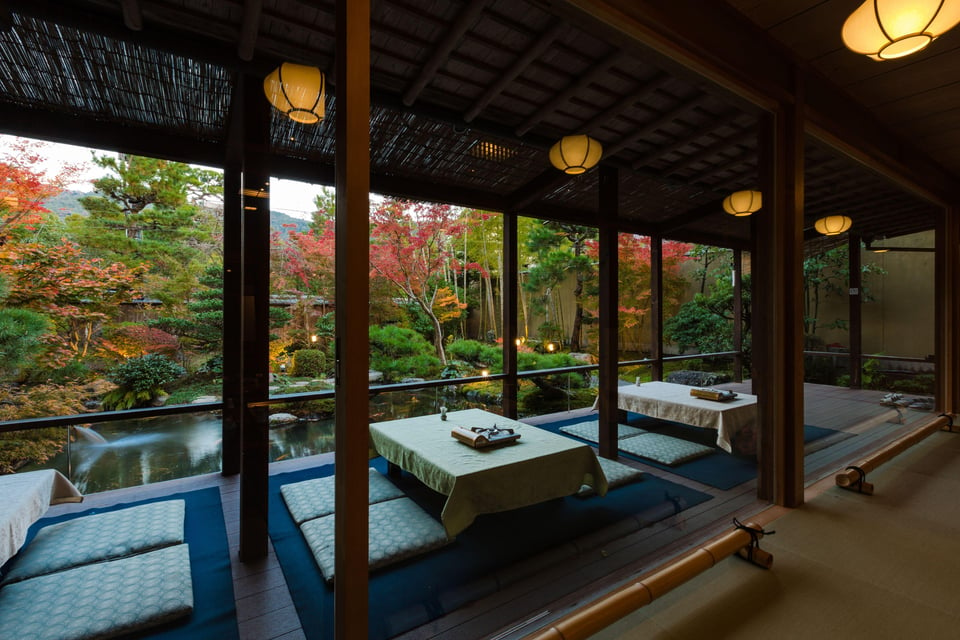
Yachiyo
An 1890 wooden main building and Meiji-era pond gardens designed by master landscaper Ogawa Jihei VII.
11 hotels on this page
They did this well. You’ll notice.
Ace Hotel Kyoto
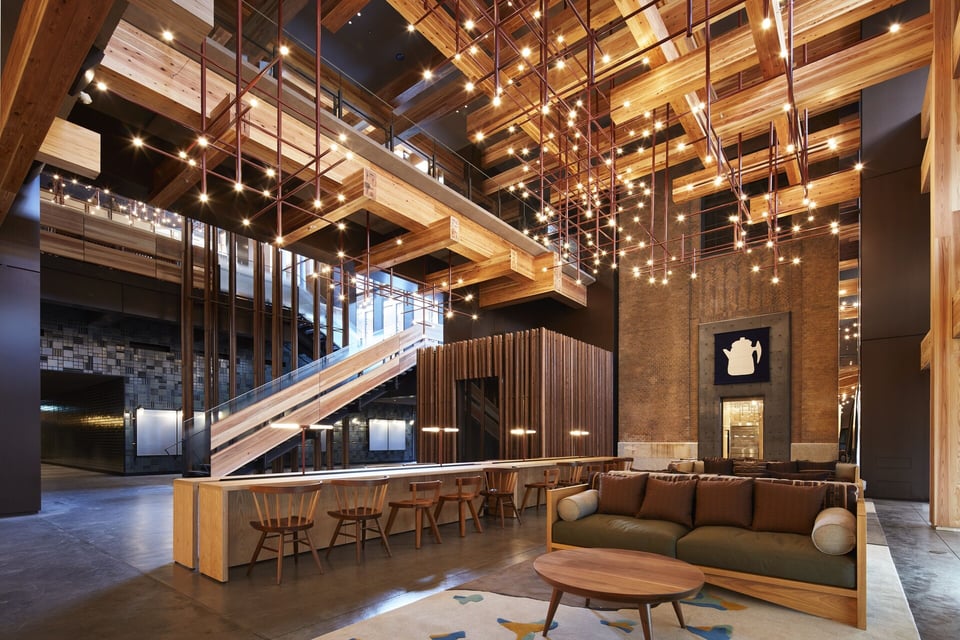
A converted 1926 red-brick telephone exchange houses loft rooms with arched windows.
Candeo Hotels Kyoto Karasuma Rokkaku
A Meiji-era kimono merchant townhouse with original timber beams, inner courtyard gardens, and Edo-period ink paintings.
Ishibekoji Muan
A preserved century-old wooden townhouse featuring traditional sukiya timber framing along the stone-paved alleys of Ishibe-koji.
Kifune Ugenta
A generational estate tracing its lineage to the hereditary priestly family of neighboring ancient Kifune Shrine.
Kyo No Ondokoro Nishijin Bettei #5
A preserved century-old textile merchant residence retaining original machiya timber beams, an earthen storehouse, and insect-cage windows.
Kyokoyado Yasaka Yutone
A preserved 1912 sukiya-style machiya townhouse featuring classic timber lattice doors, tokonoma alcoves, and courtyard views.
Maana Kamo
A restored century-old Kyoto machiya with preserved timber post-and-beam architecture and exposed earthen clay walls.
Maana Kiyomizu
Four century-old wooden machiya townhouses preserve their original rooflines, structural timber framing, and exposed roof beams.
Mitsui Garden Hotel Kyoto Shinmachi Bettei
An authentic 1903 plaster storehouse and century-old timber pillars are carefully integrated into the ground-floor dining space.
Motonago
An authentic 1905 two-storey wooden machiya townhouse preserved with traditional tsuboniwa courtyard gardens.
Gold. Extremely rare. Sets the global standard.
Silver. Brilliant execution. And we’re picky.
Bronze. They did this well. You’ll notice.
Listed. A defining trait. Makes the hotel what it is.
Design. Built around a vision. Even the door handles have a designer.
Luxe. Cared for at every turn. The bath is drawn before you ask.
Local. It could only be here. You wake up knowing where you are.
Heritage. A building with a story. Once a palace, a monastery, a station.
Wellness. You leave feeling new. Rest, sweat, soak and sleep like a stone.
Classic. The city grew up with it. Same rituals, same regulars, same bar.
Resort. A world of its own. Something to do from breakfast to nightcap.