One of eight vibes
Built around a vision. Even the door handles have a designer.
1 hotel on this page
Extremely rare. Sets the global standard.
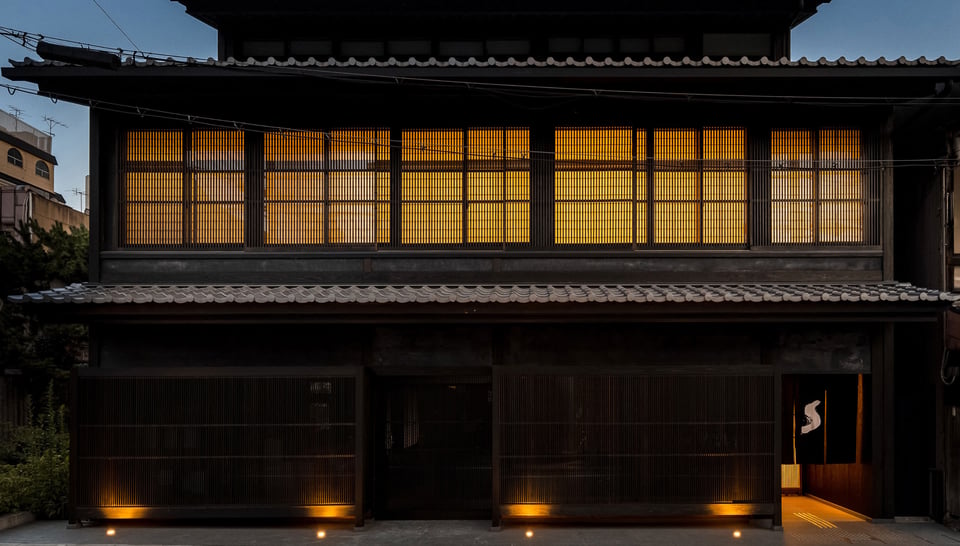
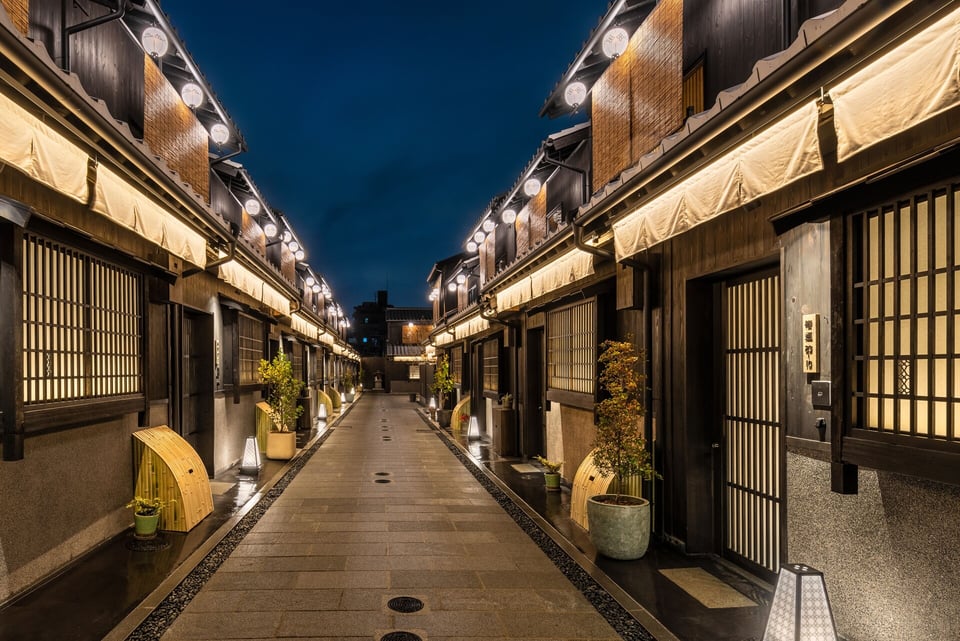
The Shinmonzen
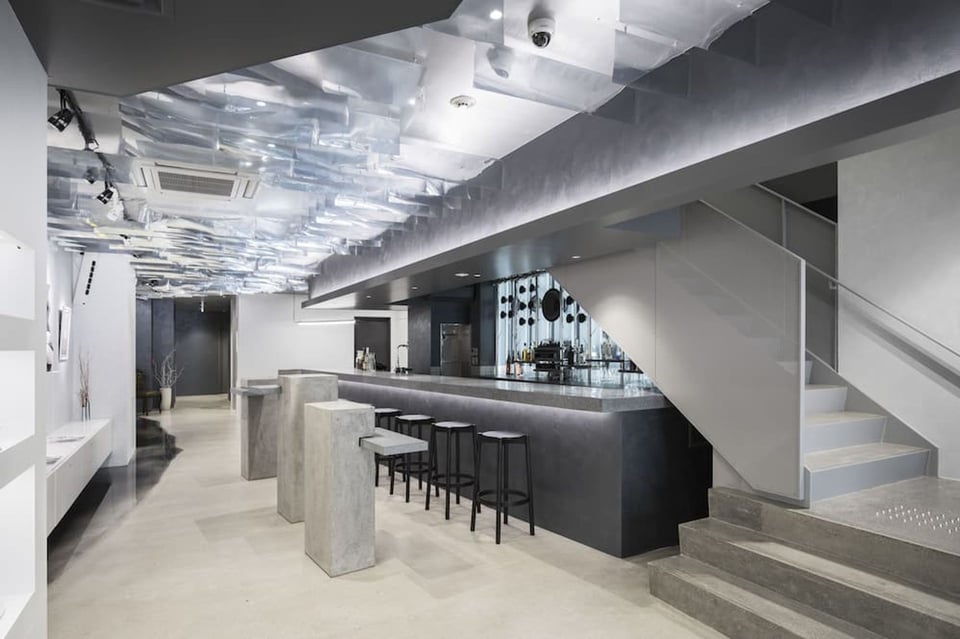
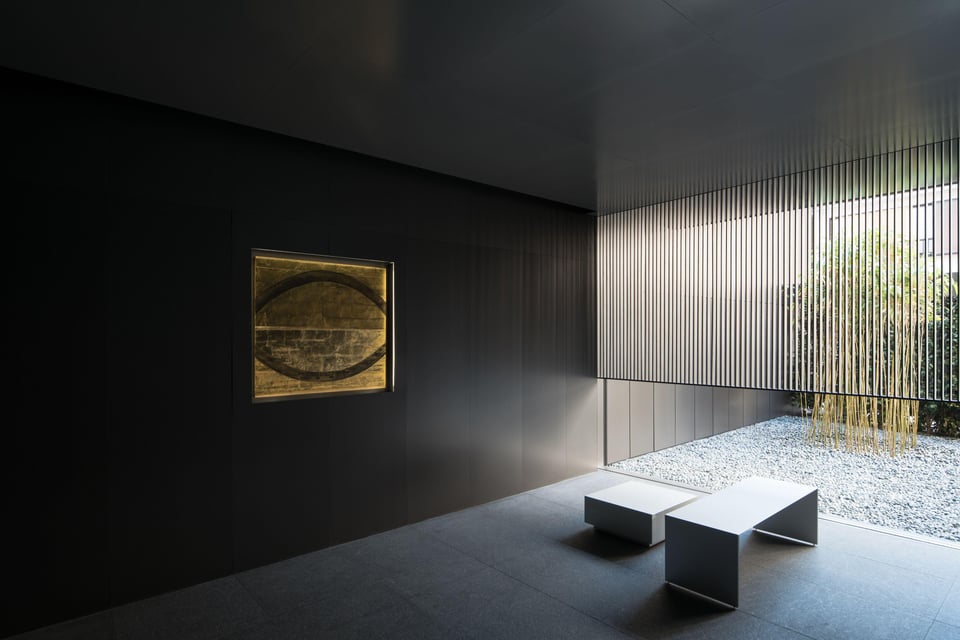
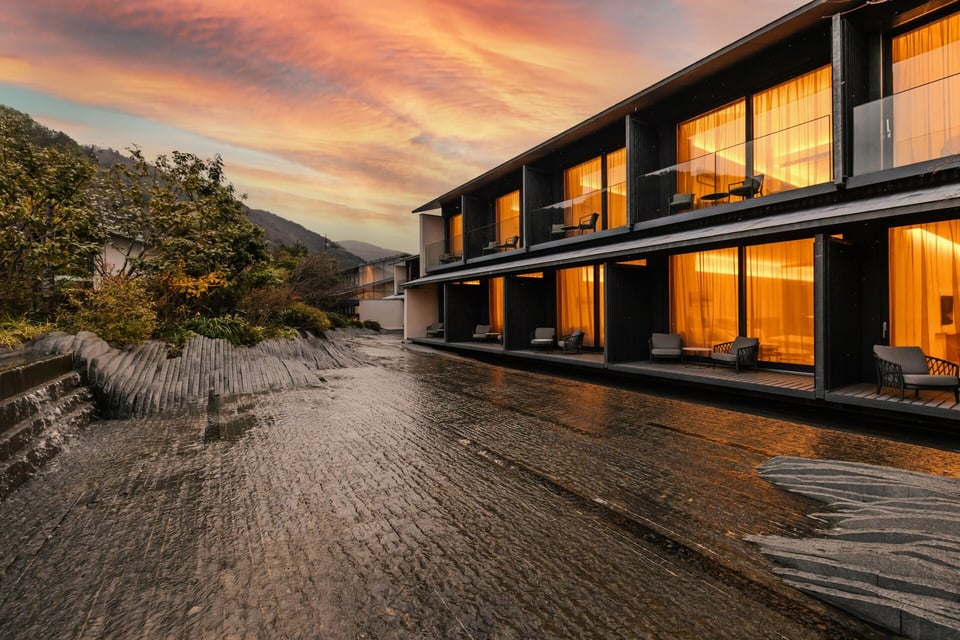
Cast concrete corridors give way to dark timber latticework and riverside balconies.
33 hotels on this page
Brilliant execution. And we’re picky.
Ace Hotel Kyoto
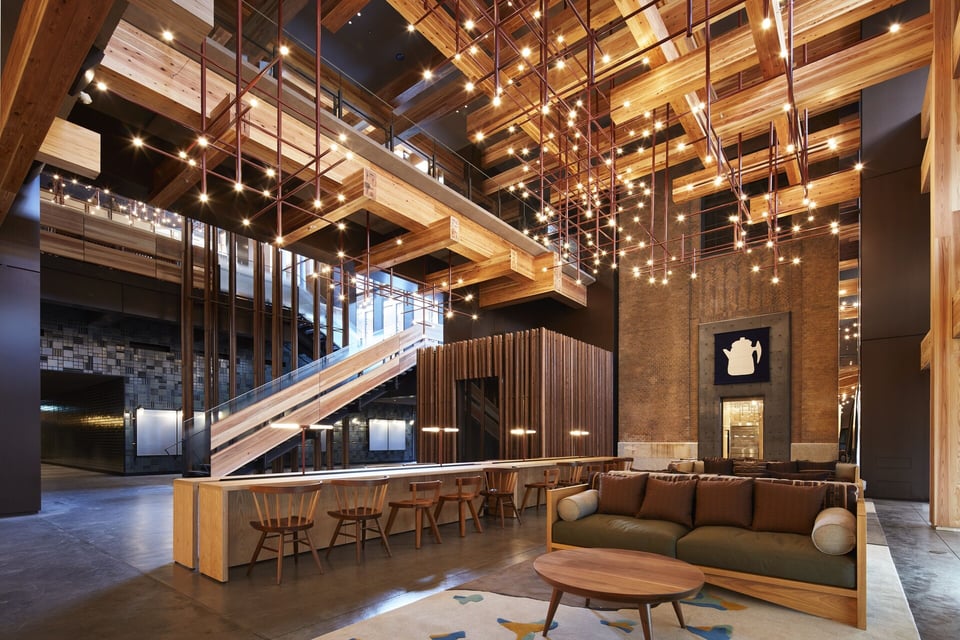
Interlocking kigumi timber ceilings meet bold stencil-dyed textile art by Samiro Yunoki.
Aman Kyoto
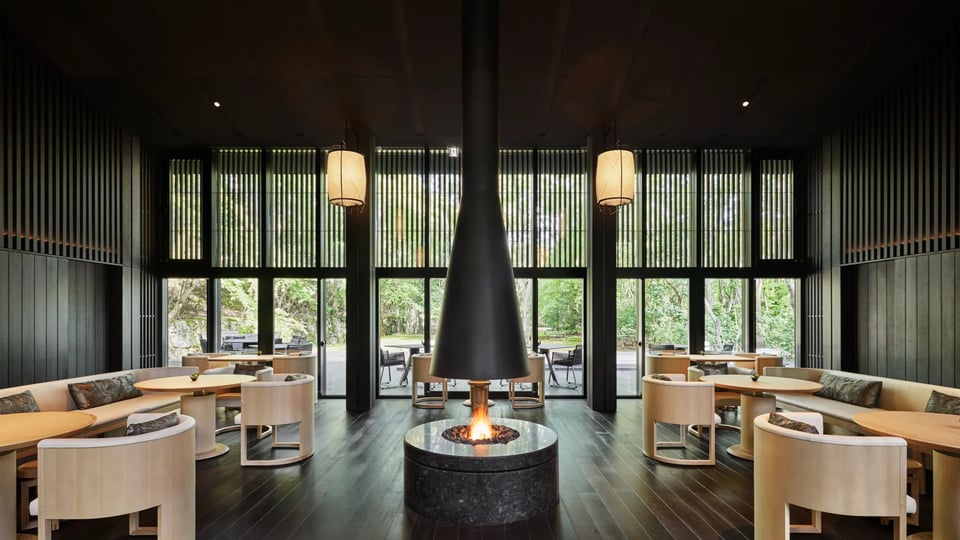
Blackened timber pavilions by Kerry Hill set across moss-covered platforms and forest clearings.
Banyan Tree Higashiyama Kyoto Hotel
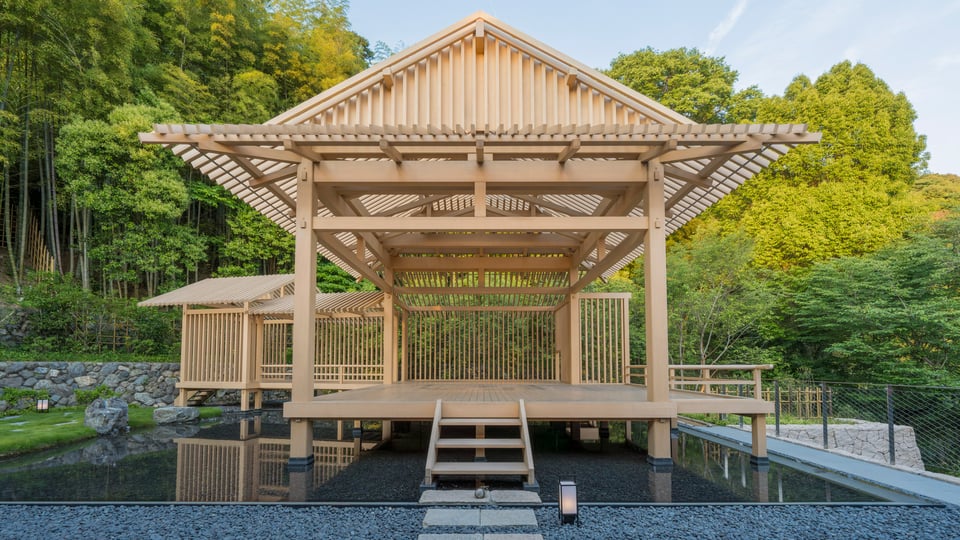
Timber lattice eaves, a cantilevered gabled entrance, and an open-air cedar Noh stage overlooking bamboo forest.
BnA Alter Museum
Thirty-one permanent art installation rooms alongside a ten-story vertical staircase gallery.
Capella Kyoto
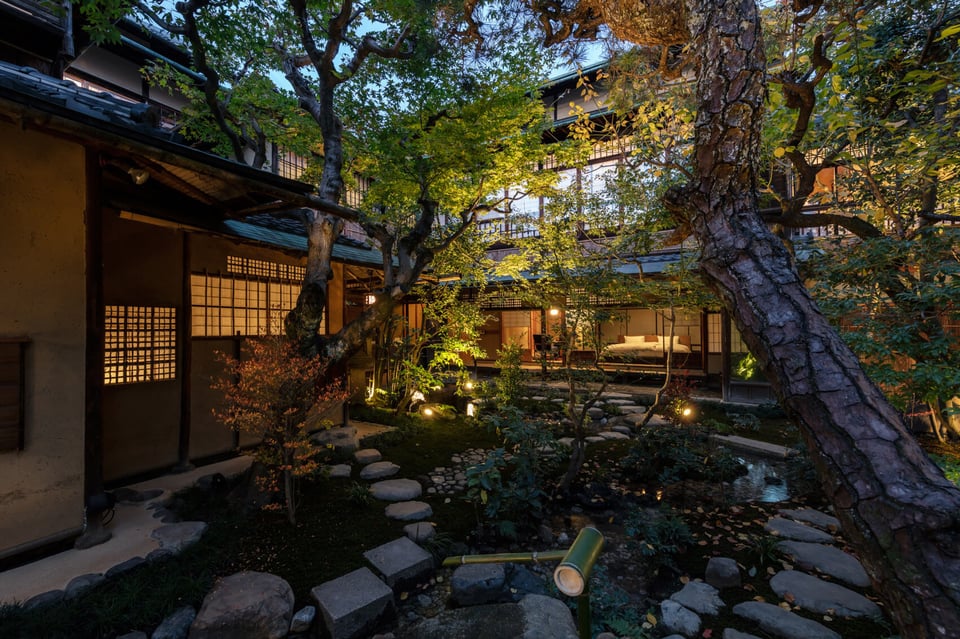
Layered timber latticework, courtyard stone pathways, and sculptural bamboo installations reinterpret Kyoto machiya townhouse traditions.
Four Seasons Hotel Kyoto
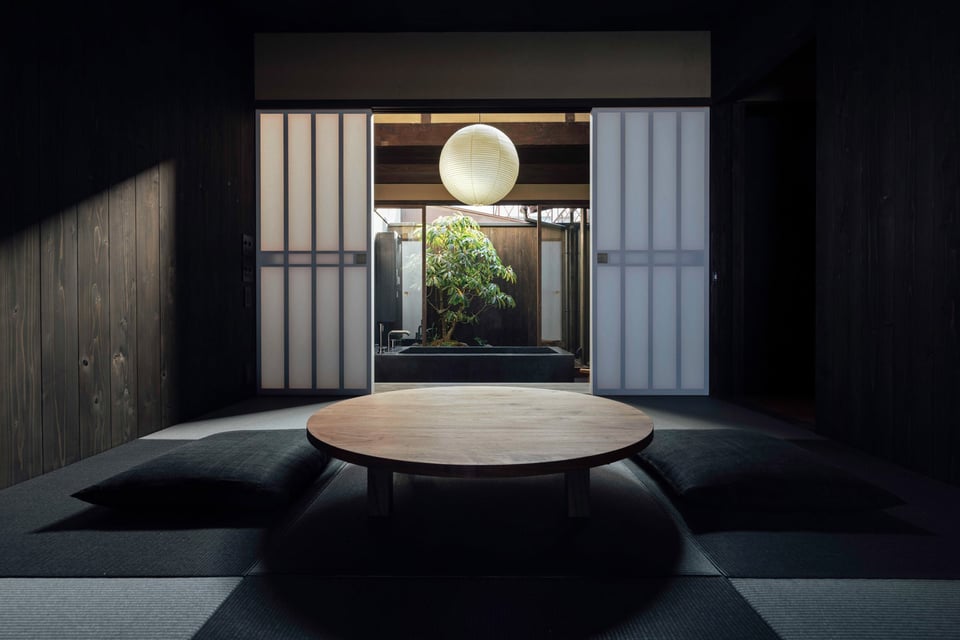
Interiors incorporate shoji panels, washi lantern fixtures, hand-hammered stone, and custom woven textiles from a historic Kyoto atelier.
Genji Kyoto
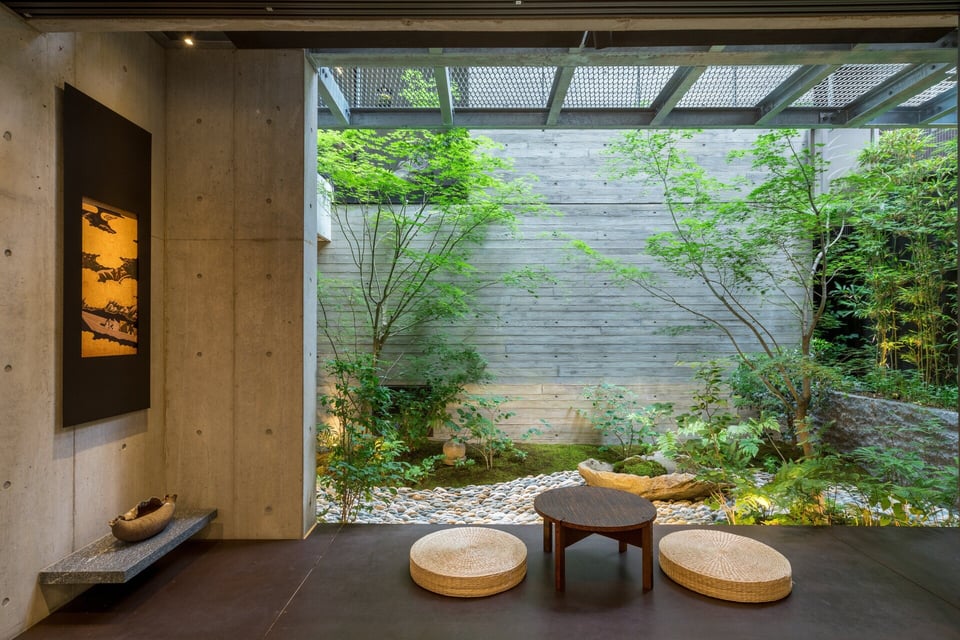
Cedar-board imprinted concrete, custom low-slung Panton chairs, and dry rock courtyards uniting architecture with garden.
HOSHINOYA Kyoto
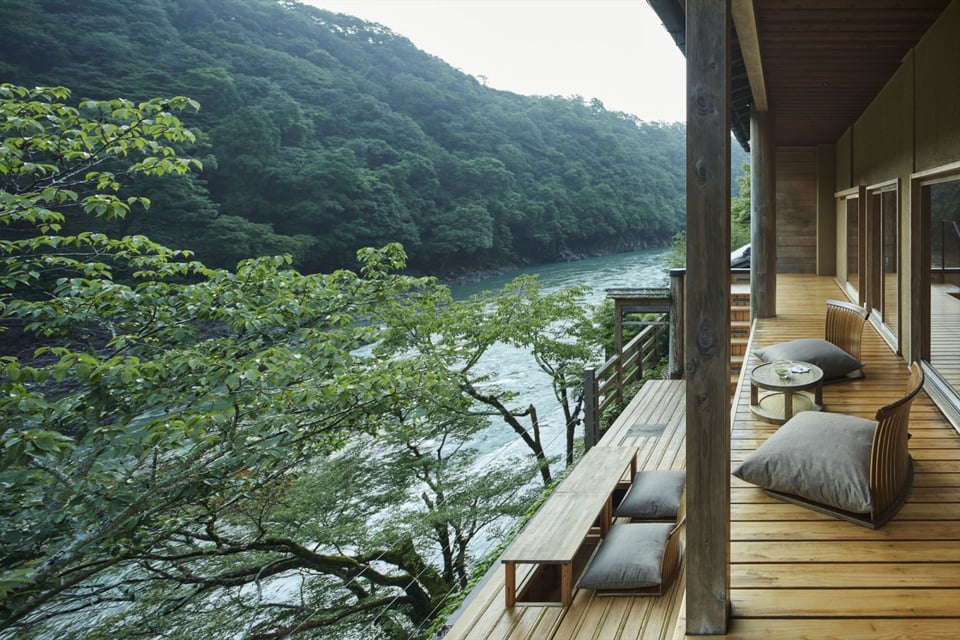
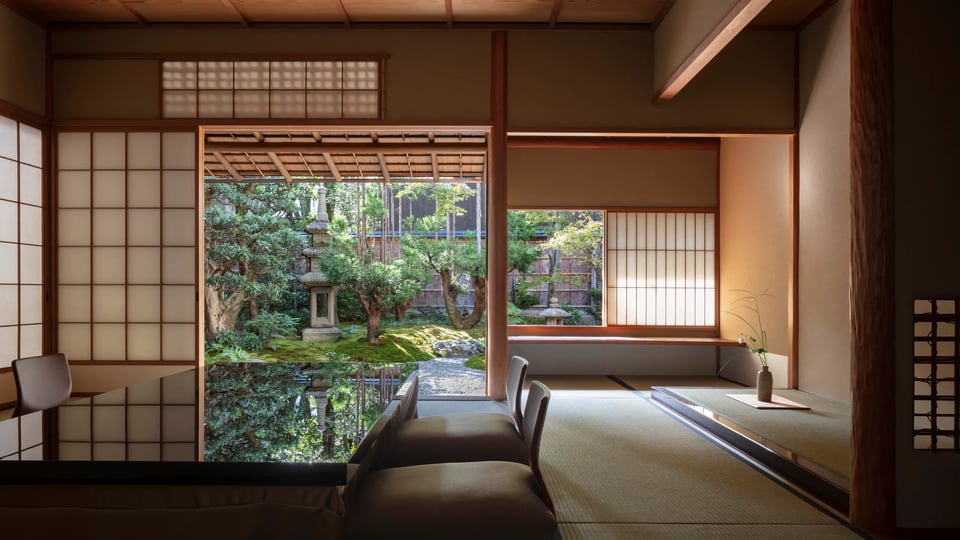
Hand-printed kyo-karakami washi wallpaper and low-slung tatami seating frame river gorge views.
Hotel Anteroom Kyoto
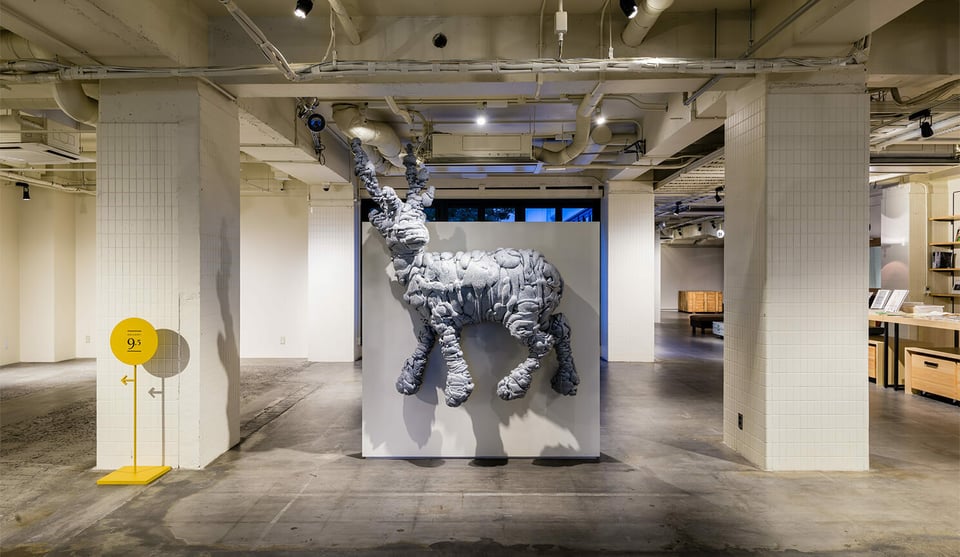
Artist-designed concept rooms and Gallery 9.5 exhibitions curated under sculptor Kohei Nawa.
Hotel Kanra Kyoto
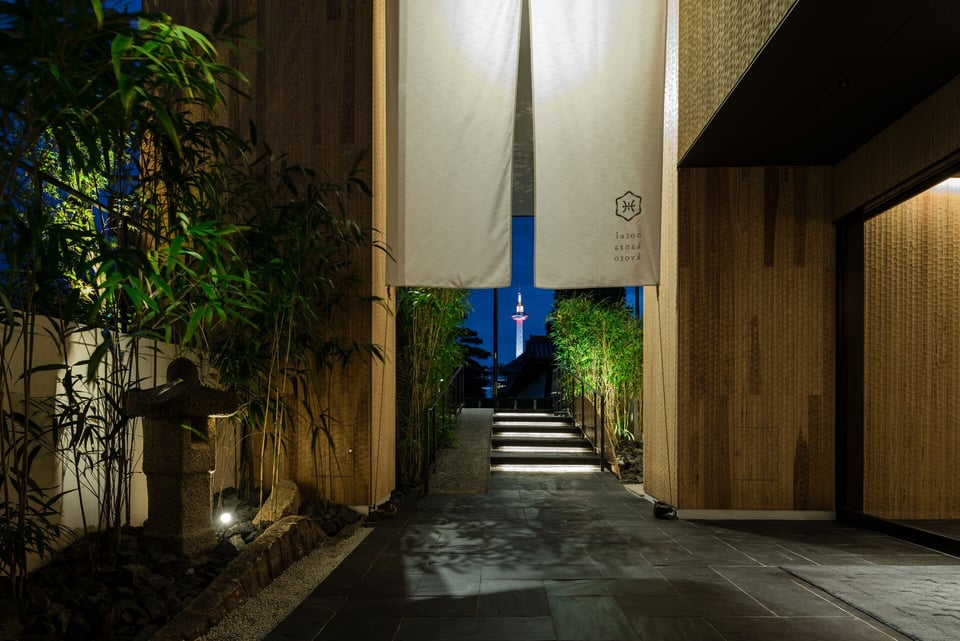
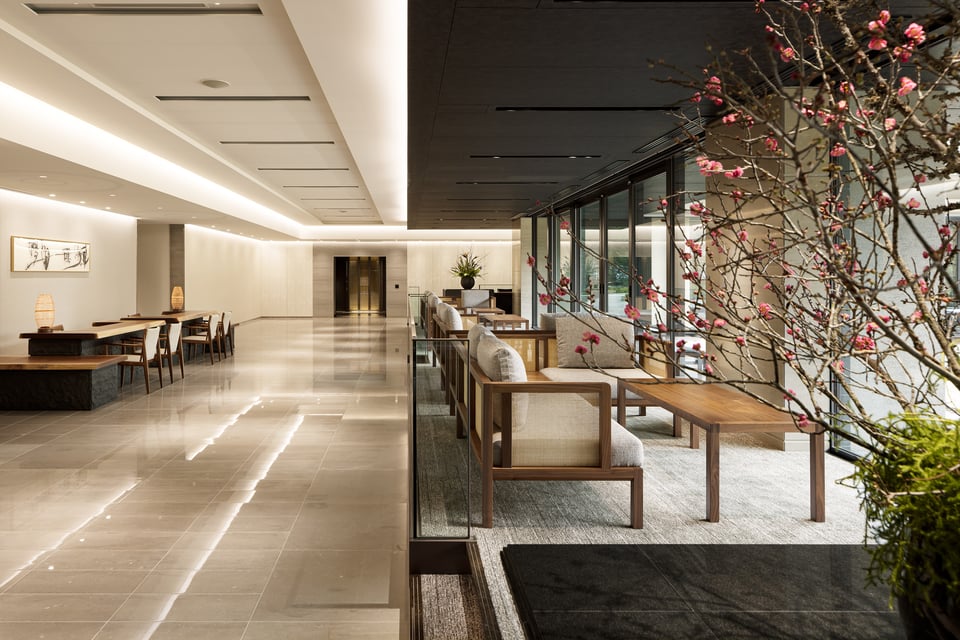
Elongated machiya-inspired layouts combine handcrafted cypress tubs with clean granite planes, shoji screens, and woven tatami.
Hotel Okura Kyoto Okazaki Bettei
Interiors shaped with artisan collective GO ON, showcasing Kaikado metalwork, Kohchosai Kosuga bamboo, and custom Higashiyama craft.
Hotel The Mitsui Kyoto
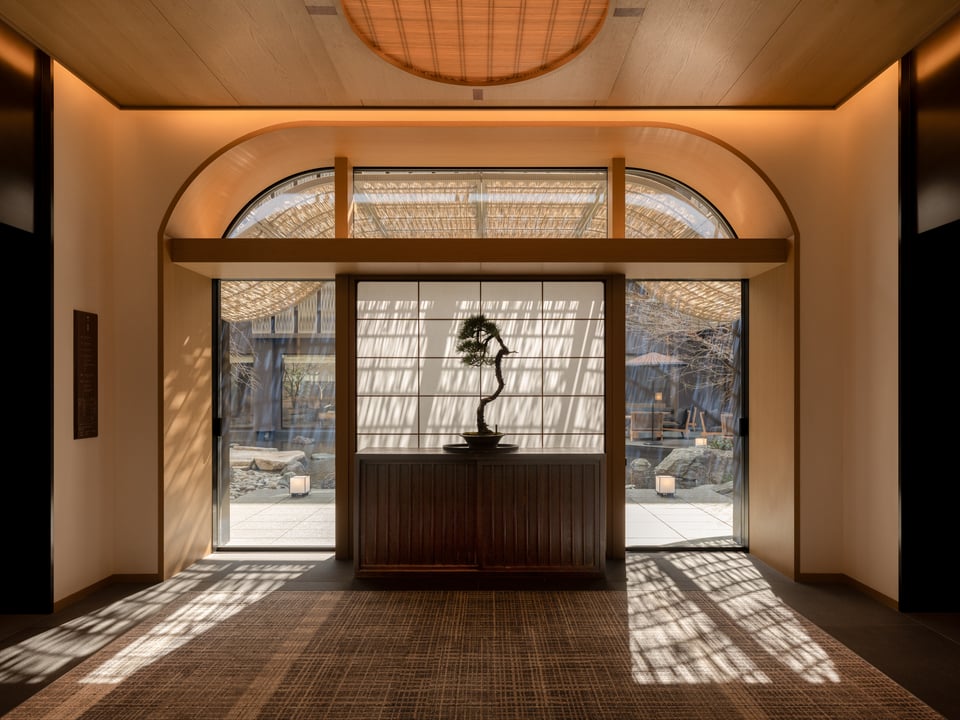
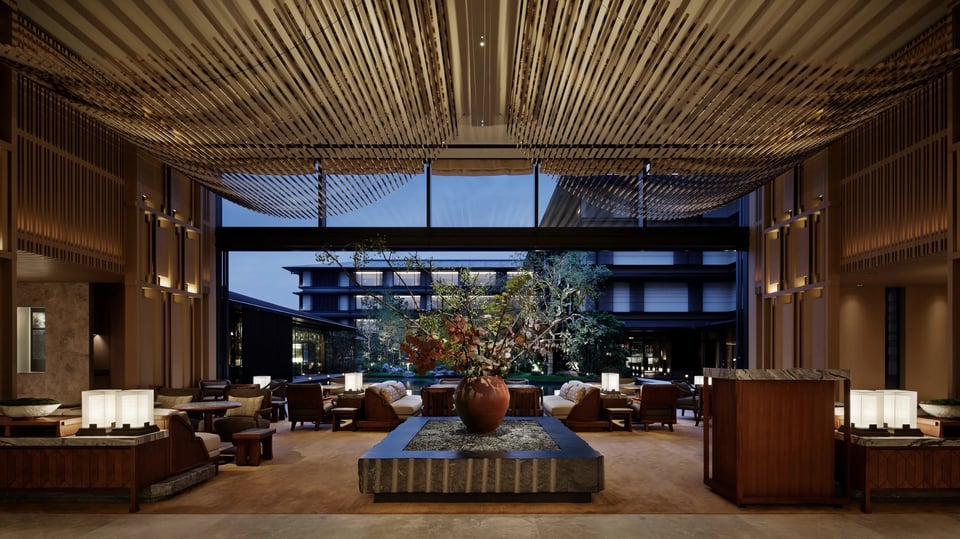
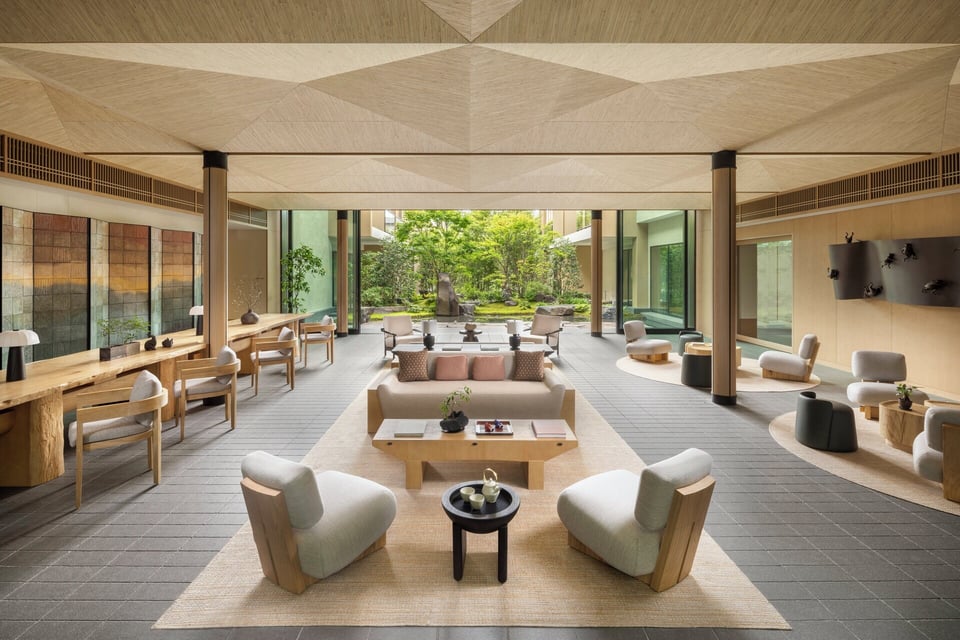
André Fu layered monumental shoji lanterns and clean-lined timber pavilions around a water courtyard.
Imperial Hotel Kyoto
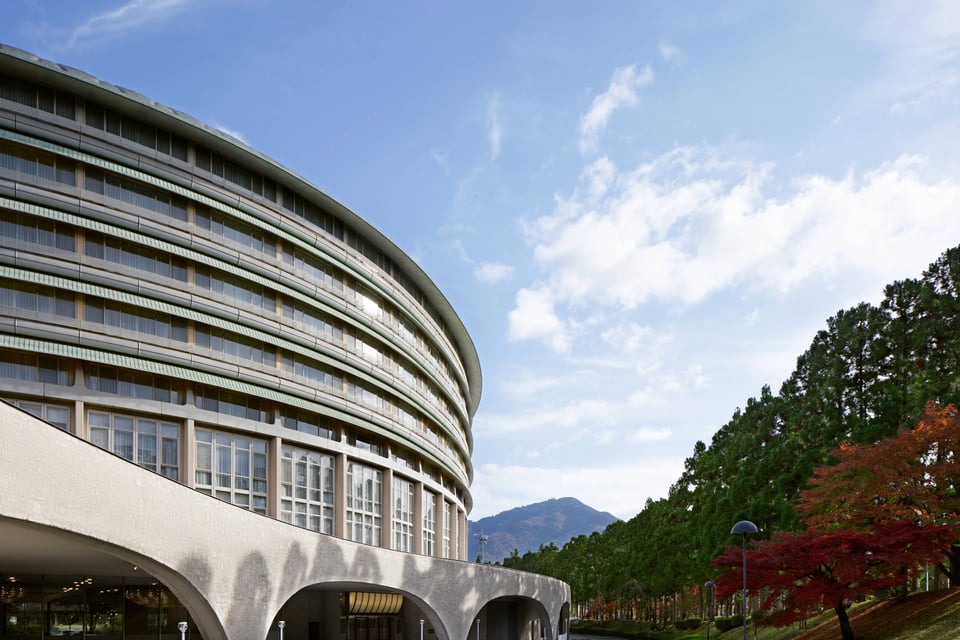
Disciplined interiors pair textured volcanic Oya stone with dimpled naguri wood floors.
Kyo no Ondokoro Goshonishi #6
Creative studio graf carved a skylit central lightwell and black cherry living space framing the courtyard garden.
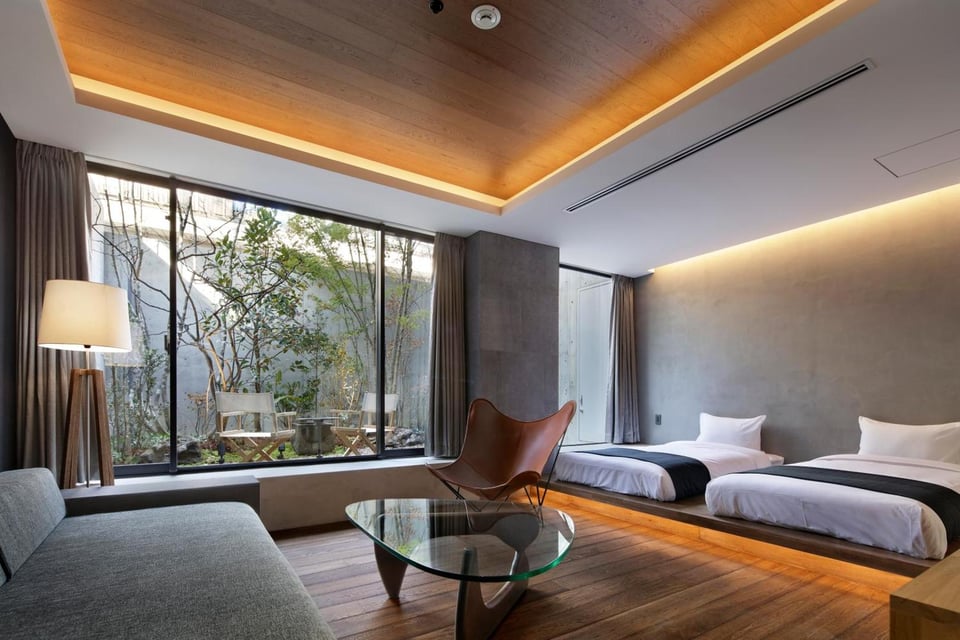
Kyo No Ondokoro Kamanza Nijo #2
Blonde-timber interiors by Yoshifumi Nakamura paired with Akira Minagawa furnishings and a detached garden library pavilion.
Kyo No Ondokoro Nishijin Bettei #5
Yoshifumi Nakamura and Akira Minagawa furnish the restored timber frame with bespoke minä perhonen textiles.
Maana Kamo
Shigenori Uoya paired subdued lighting and timber framing with an urushi lacquer island and tatami matting.
Maana Kiyomizu
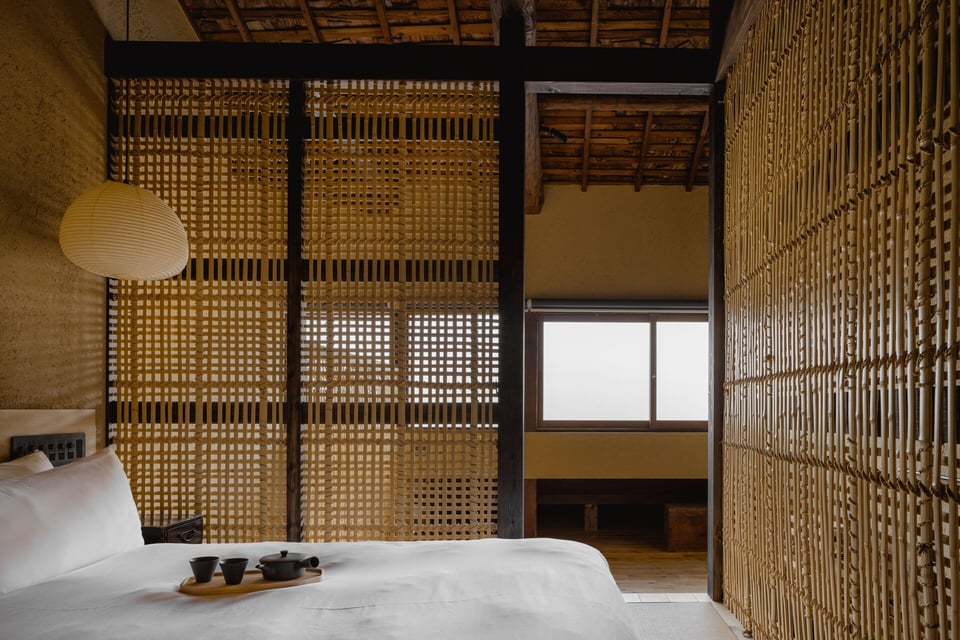
Interiors showcase exposed takekomai woven bamboo screens, Hatano Wataru washi panels, and handcrafted Shigaraki ceramic bathtubs.
MAJA HOTEL KYOTO
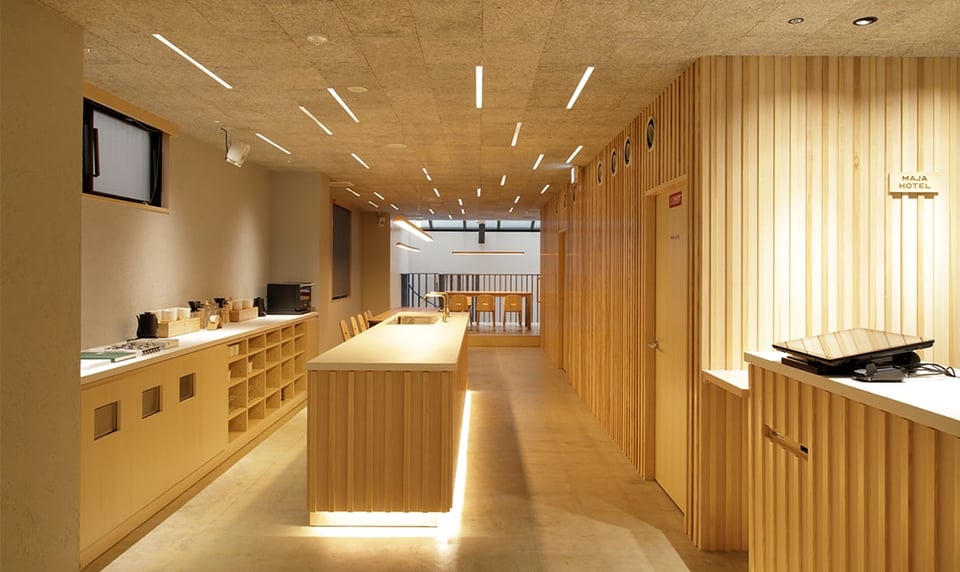
Pitched-roof sleeping huts in light Tamo ash feature bespoke Marimekko blinds and custom timber furniture.
Marufukuro
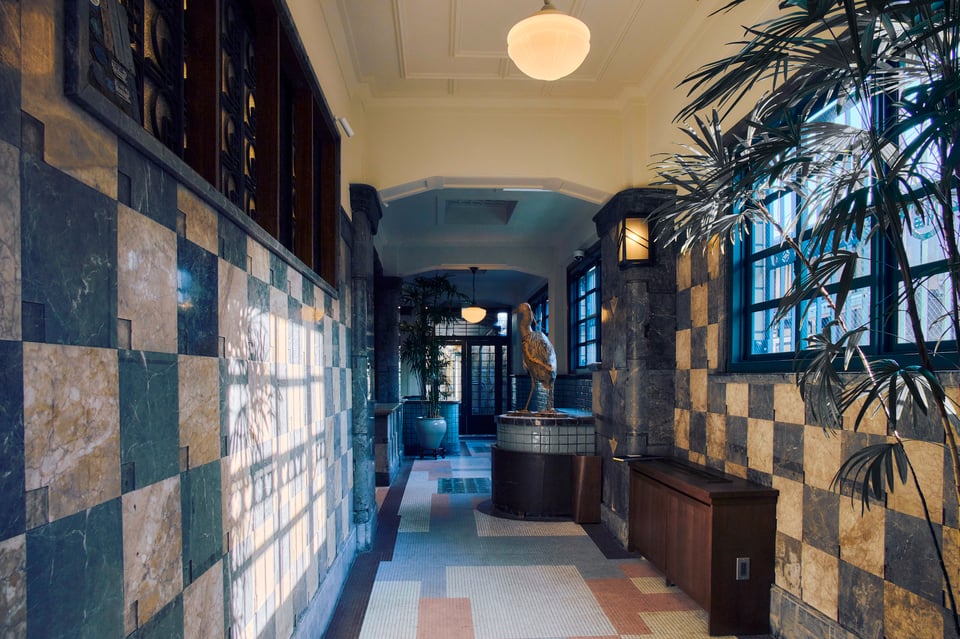
Tadao Ando combines raw concrete architecture with restored 1930s Showa-era masonry, stained glass, and decorative Taizan tiling.
Miyamasou
Traditional sukiya-zukuri carpentry with private timber terraces suspended over the river.
MOGANA
Takashi Yamaguchi reinterprets traditional machiya depth through stark monochrome lines, backlit alcoves, and soaring vertical lightwells.
MUNI Kyoto
Minimalist interiors crafted from natural timber, local Kitayama cedar, rammed earth, and custom Italian glass lighting.
Nazuna Higashi Honganji
Studio ALUC unites two townhouse wings under one roof, highlighting exposed timber joinery and clay walls.
Nazuna Kyoto Tsubaki St. Hotel
NOMURA-crafted interiors juxtapose dark exposed structural timbers and delicate wooden lattices with minimalist private semi-open-air garden baths.
Node Hotel
Concrete architecture and bespoke monochrome furniture frame rotating contemporary art collections.
Park Hyatt Kyoto
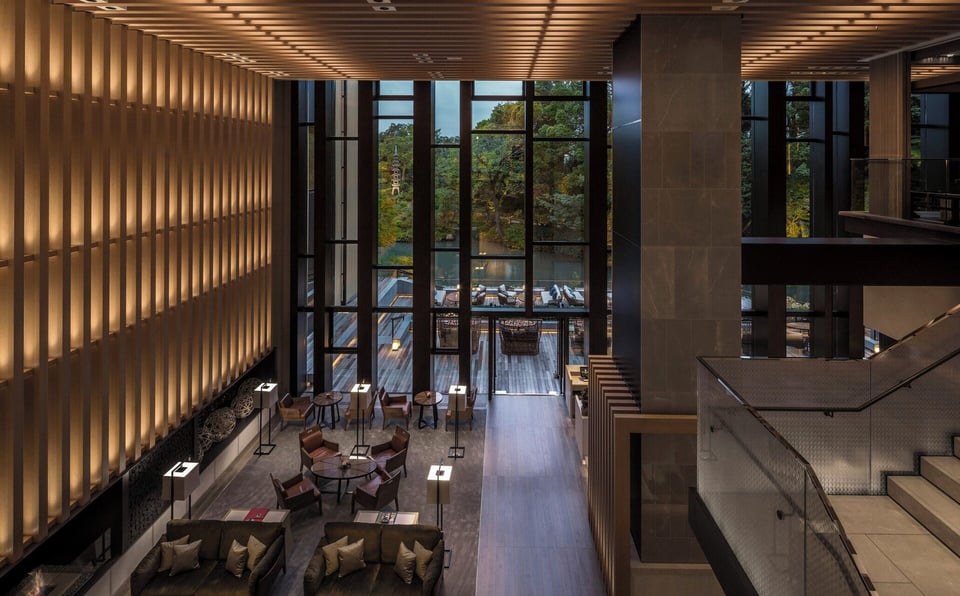
Low-slung hillside pavilions feature fragrant tamo ash woodwork, framed Yasaka Pagoda vistas, and manicured courtyard zen gardens.
ROKU Kyoto
Post-and-beam pavilions connected by reflecting pools, with hand-printed kyo-karakami washi wallcoverings.
Shinsho-an
Master carpentry, artisanal plaster finishes, and curated European furnishings frame quiet views of courtyard greenery.
Six Senses Kyoto
Folded ash ceilings and 504 handcrafted Raku tiles retrace Heian-era courtly elegance.
SOWAKA
Sukiya-zukuri timber carpentry and original oval windows open onto moss courtyard gardens.
2 hotels on this page
They did this well. You’ll notice.
Gold. Extremely rare. Sets the global standard.
Silver. Brilliant execution. And we’re picky.
Bronze. They did this well. You’ll notice.
Listed. A defining trait. Makes the hotel what it is.
Design. Built around a vision. Even the door handles have a designer.
Luxe. Cared for at every turn. The bath is drawn before you ask.
Local. It could only be here. You wake up knowing where you are.
Heritage. A building with a story. Once a palace, a monastery, a station.
Wellness. You leave feeling new. Rest, sweat, soak and sleep like a stone.
Classic. The city grew up with it. Same rituals, same regulars, same bar.
Resort. A world of its own. Something to do from breakfast to nightcap.