36 hotels on this page
Bronze
They did this well. You’ll notice.
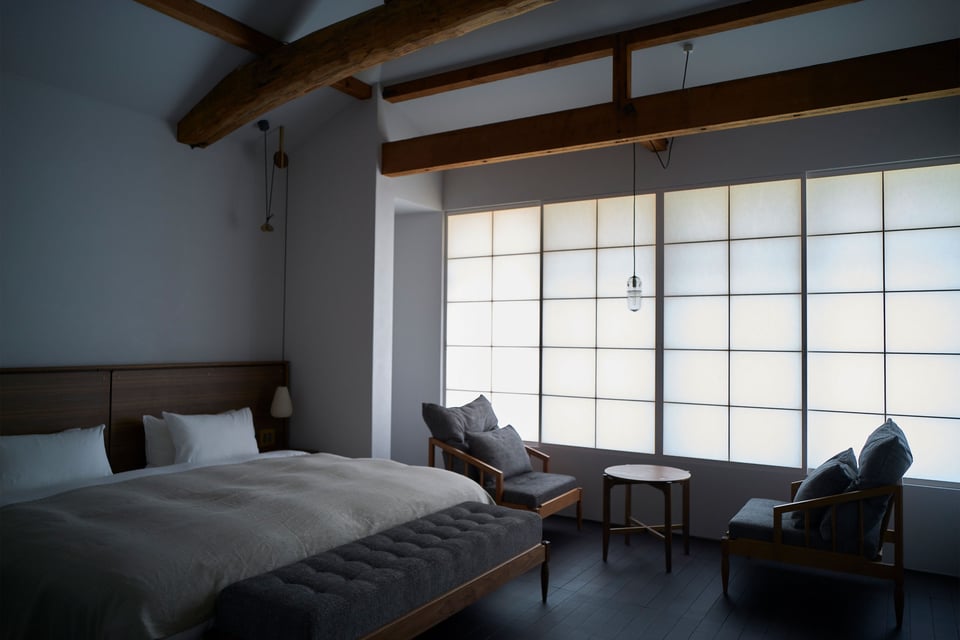
Arashiyama House MAMA
Exposed wooden beams, minimalist joinery, and custom furniture handcrafted by local Kyoto artisans define ten distinct rooms.
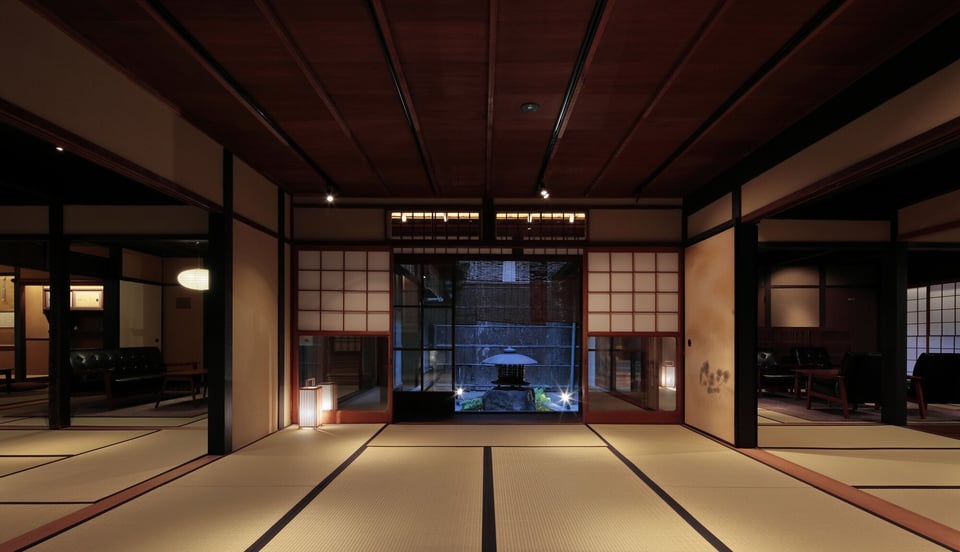
Candeo Hotels Kyoto Karasuma Rokkaku
Restored Meiji-era woodwork and tatami daybed platforms paired with modern interiors across a ten-story guest tower.
Dhawa Yura Kyoto
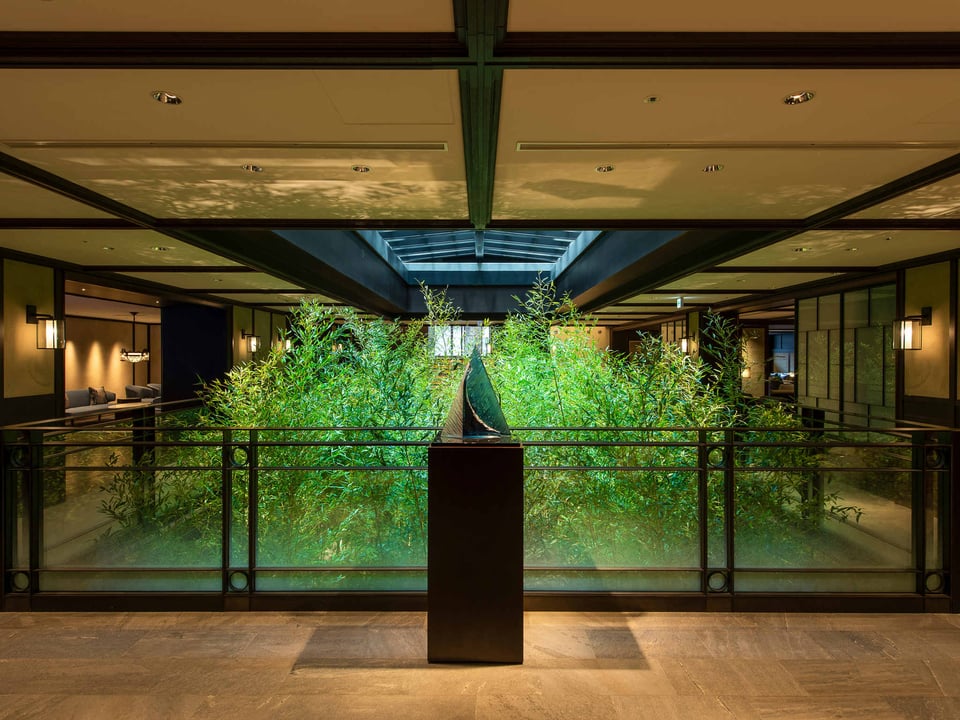
A central subterranean bamboo garden atrium anchors moody Taisho-modern interiors with retro glass lighting and Nishijin textiles.
Dusit Thani Kyoto
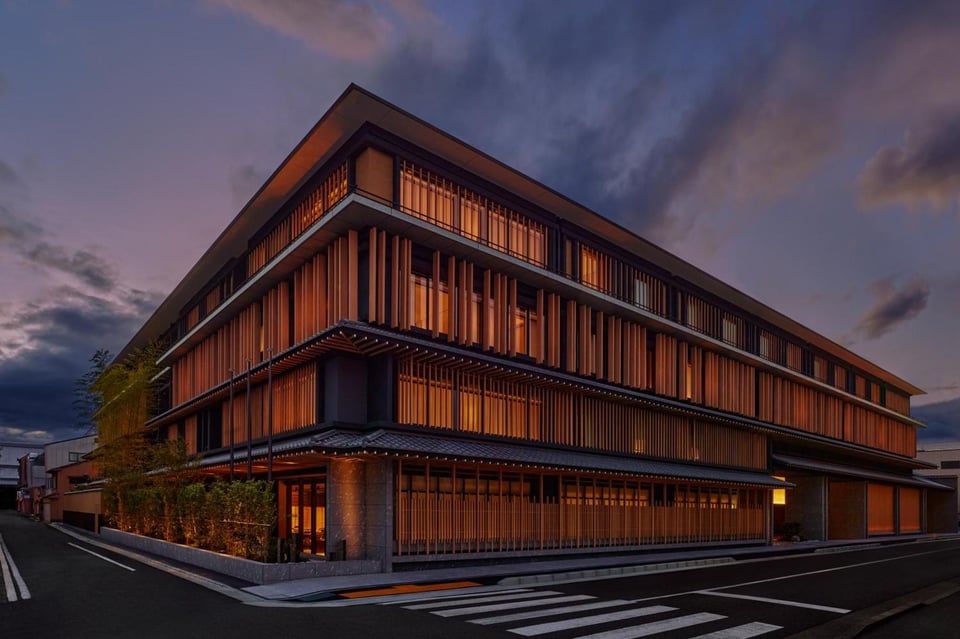
Bangkok-inspired motifs blend with Japanese woodwork, from draped indigo ribbons to a curved single-piece wooden reception arch.
Eph Kyoto
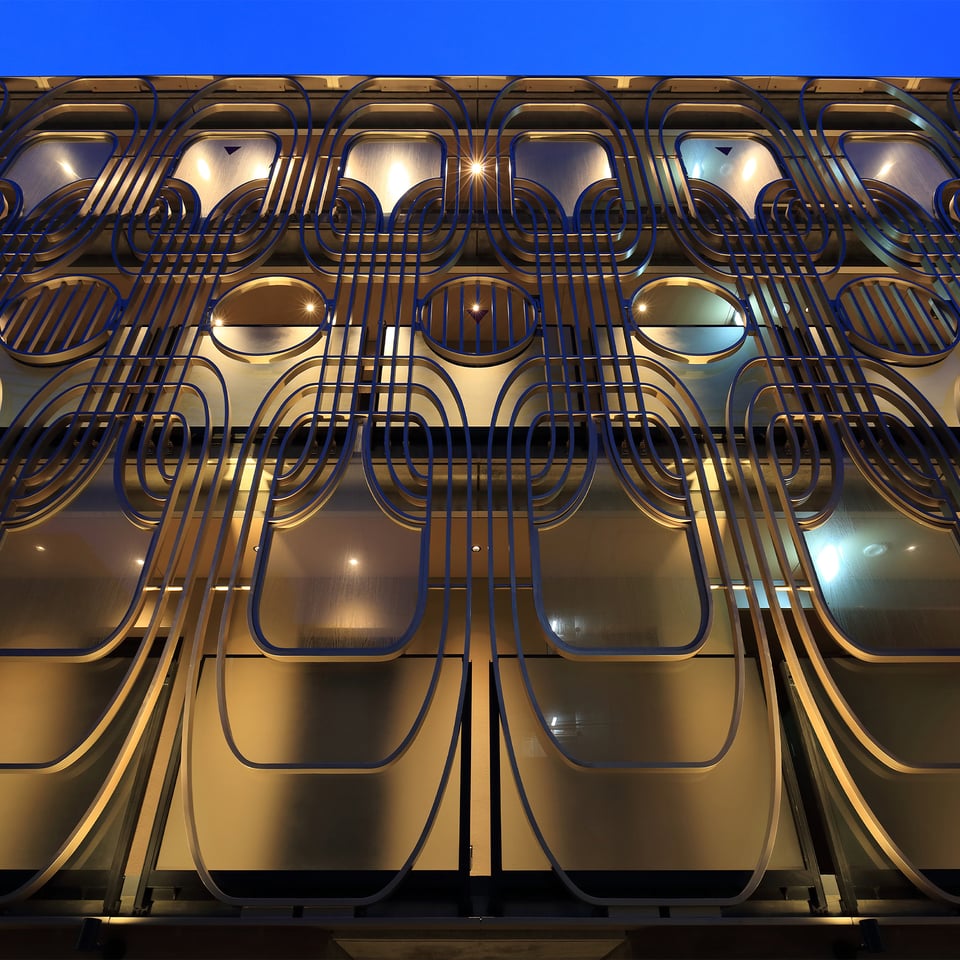
A kimono-inspired woven metal facade gives way to bamboo light fixtures and gold washi paper accents.
Fauchon Hotel Kyoto
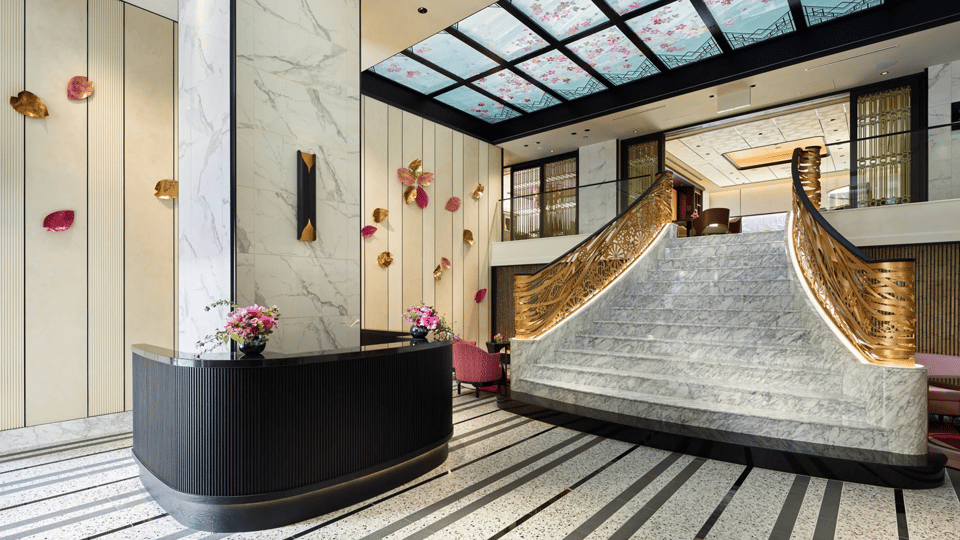
Monochrome Art Deco geometry meets hot pink accents, origami washi headboards, and pastry-inspired bedside lighting.
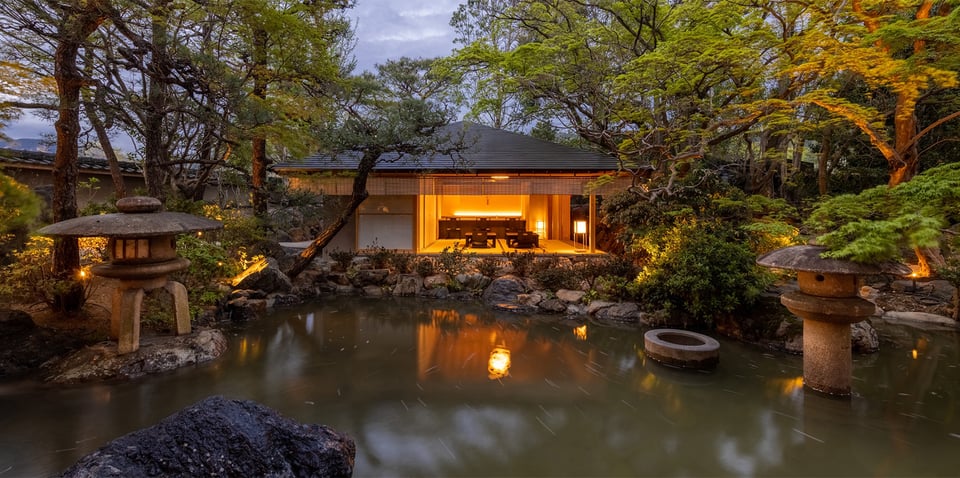
Fufu Kyoto
Saiun Design crafts serene ryokan interiors with Yukari Sato washi paper screens and cedar lattice partitions.
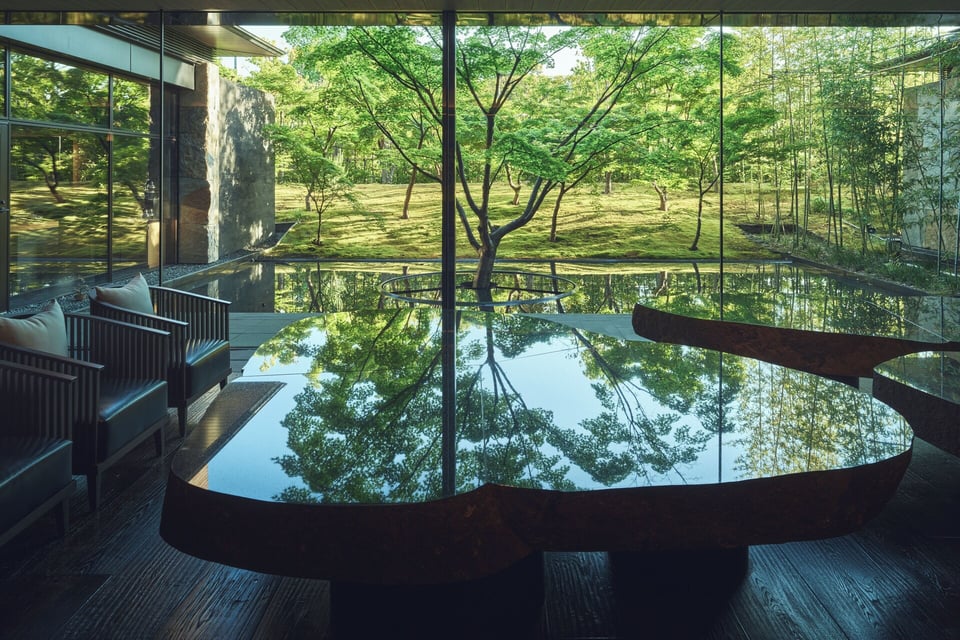
Garrya Nijo Castle
A flying geese layout angles minimalist rooms toward tranquil courtyard gardens and a reflective central pool.
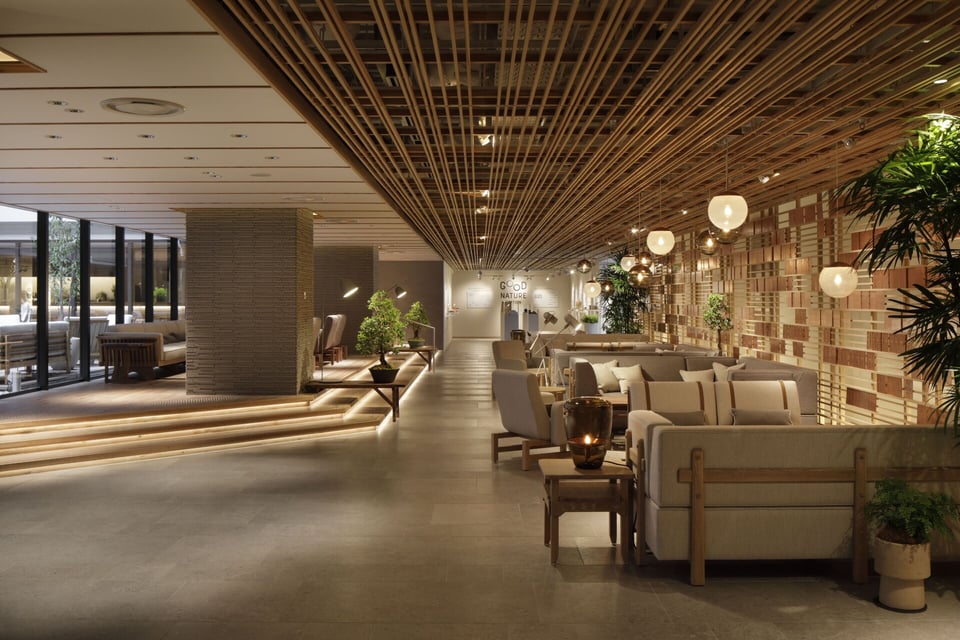
Good Nature Hotel Kyoto
Timber louvers, compressed-straw reception desks, and an open courtyard featuring a massive vertical green wall.
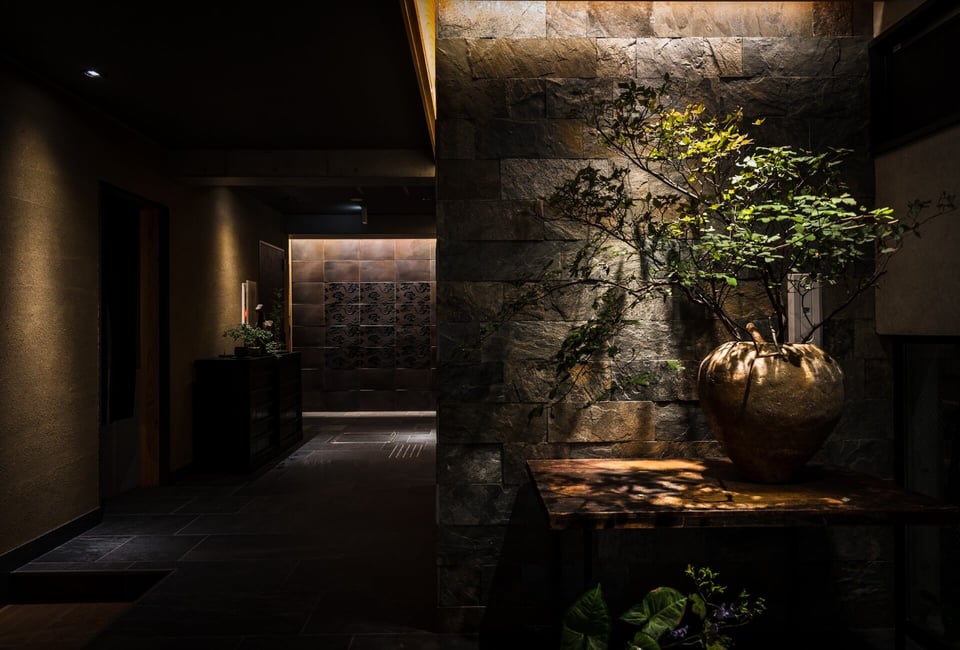
Higashiyama Shikikaboku
Eight concrete suites feature woven ajiro ceilings, custom furnishings, and woodblock-printed tiles by the historic Karacho studio.
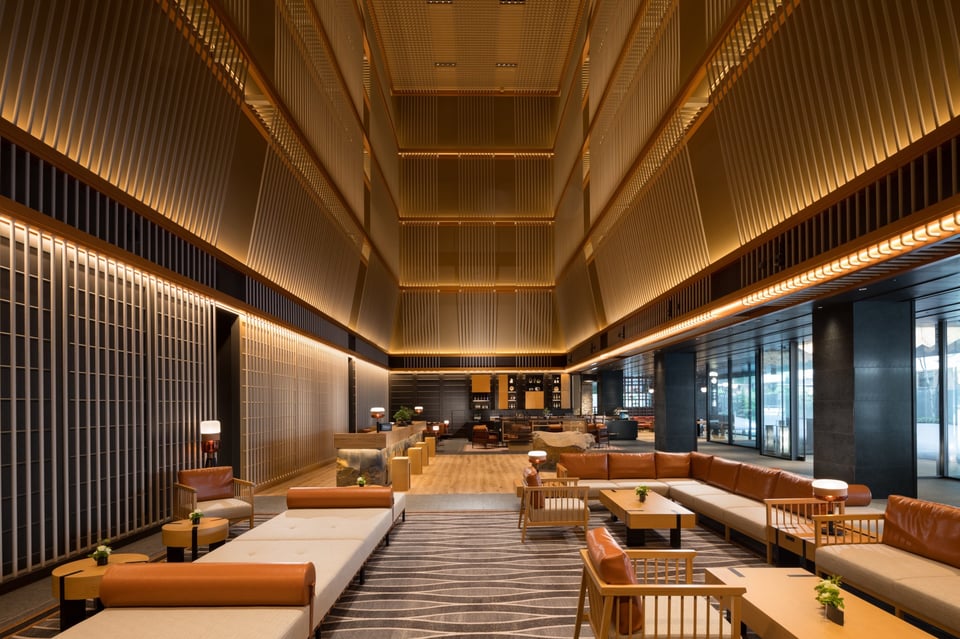
Hilton Kyoto
Lattice woodwork, woven textile motifs by Yukio Hashimoto, and a central five-story atrium anchor the lobby.
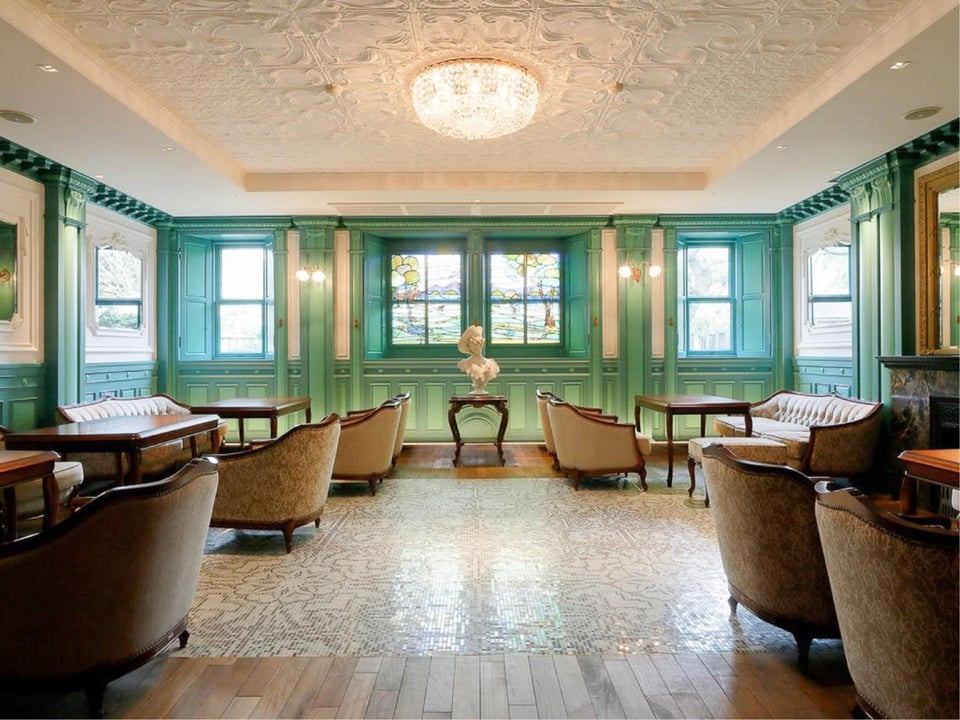
Hotel Chourakukan
Renaissance Revival architecture housing eclectic salons with authentic Baccarat crystal chandeliers, stained glass, and marble fireplaces.
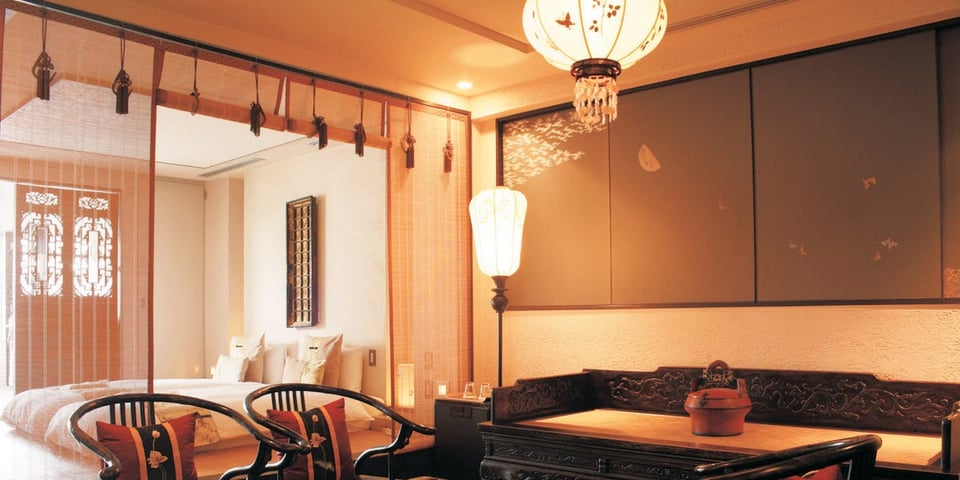
Hotel Mume
Rooms layer hand-printed woodblock paper, Shanghai red lacquered furniture, and collected European antiques against river views.
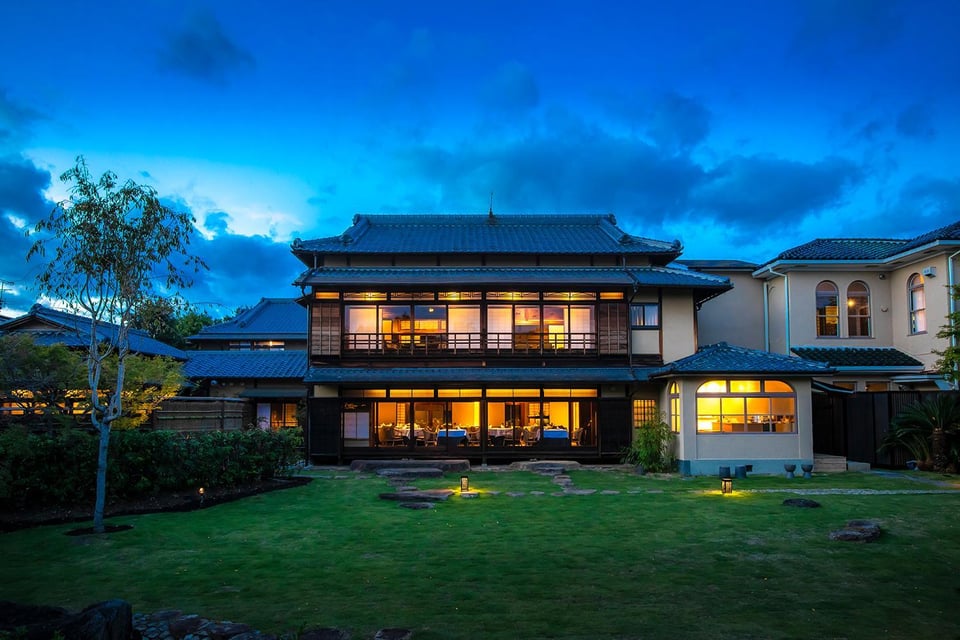
Hotel Utano Kyoto Bessho
Hybrid architecture blending early Showa sukiya joinery, Spanish-influenced arches, and soft washi light installations.
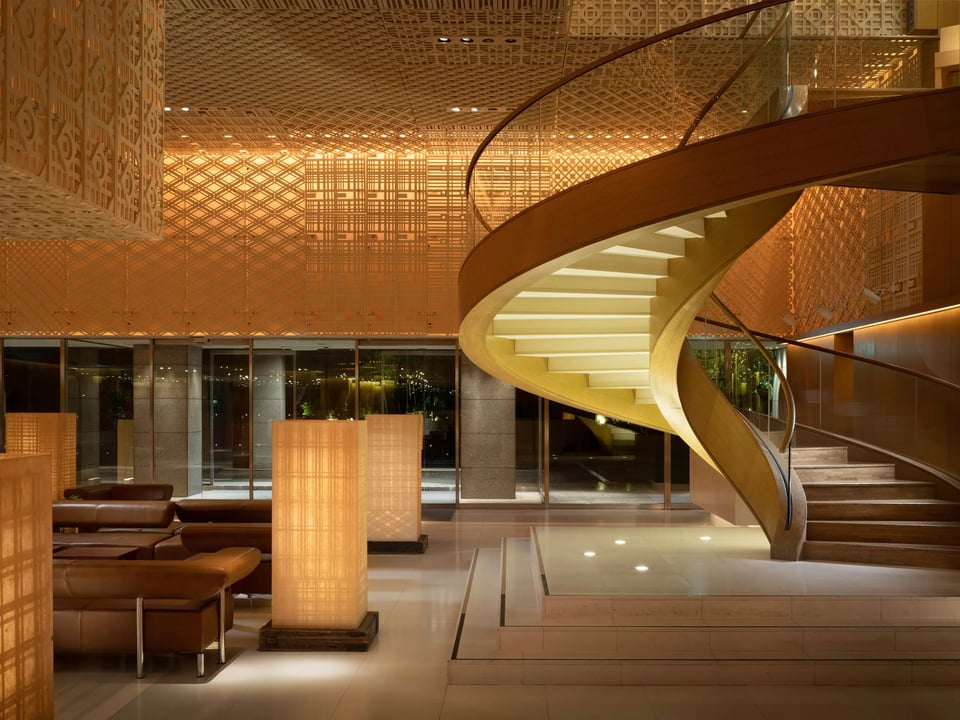
Hyatt Regency Kyoto
Takashi Sugimoto crafts understated luxury with a dramatic lobby ceiling lattice, white oak finishes, and soft indirect illumination.
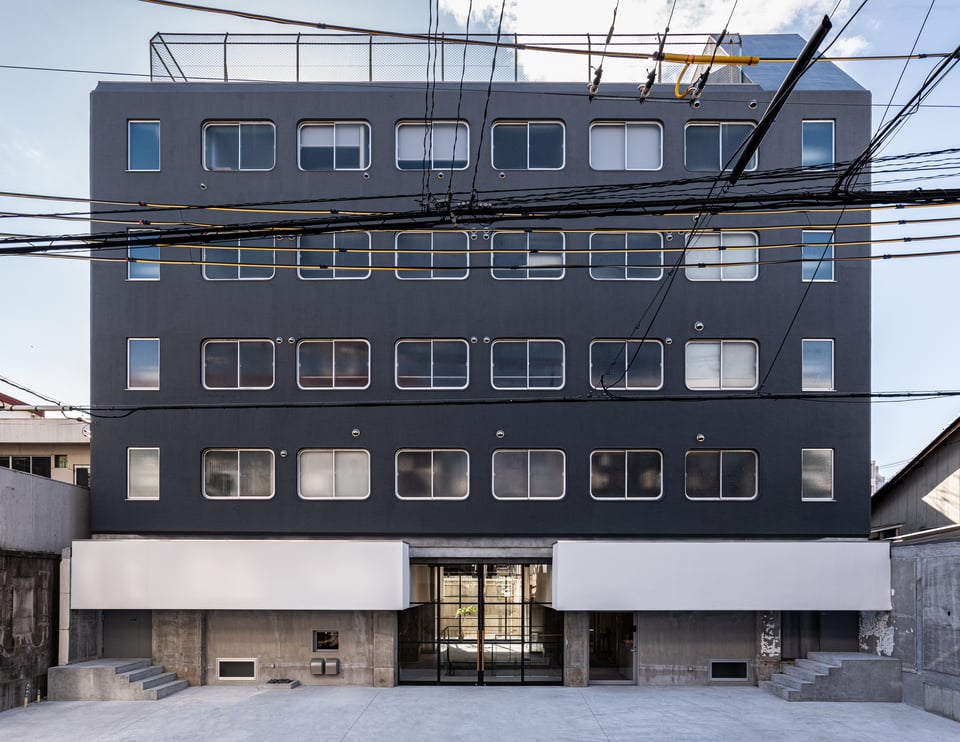
KAGANHOTEL
Concrete market dormitory transformed by OHArchitecture into minimalist guestrooms, working artist studios, and two galleries.
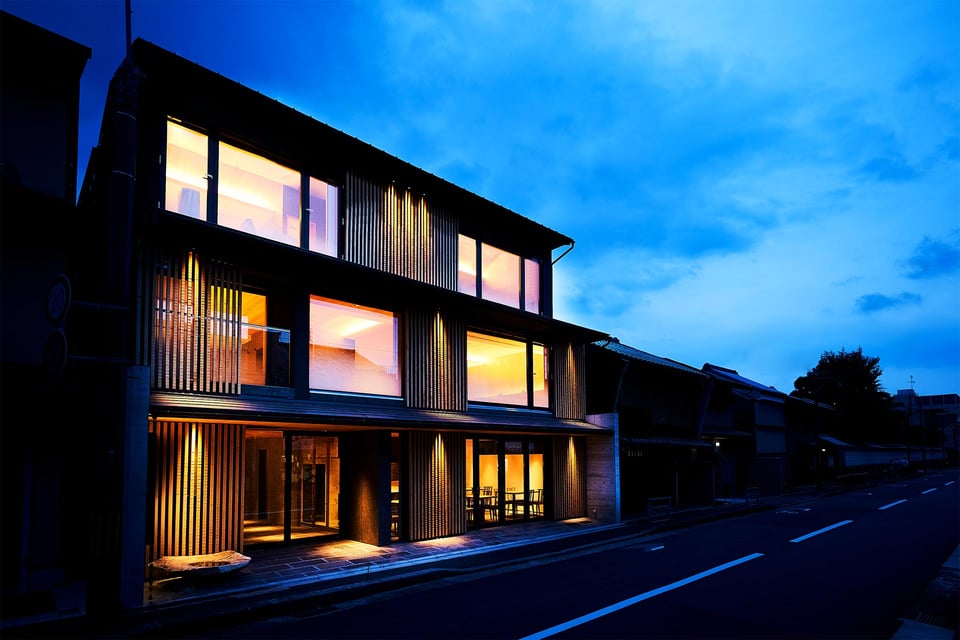
Kikokuteibekkan
Modern machiya interiors featuring handcrafted Kyō-karakami woodblock paper, warm timber ceilings, and minimalist tatami seating areas.
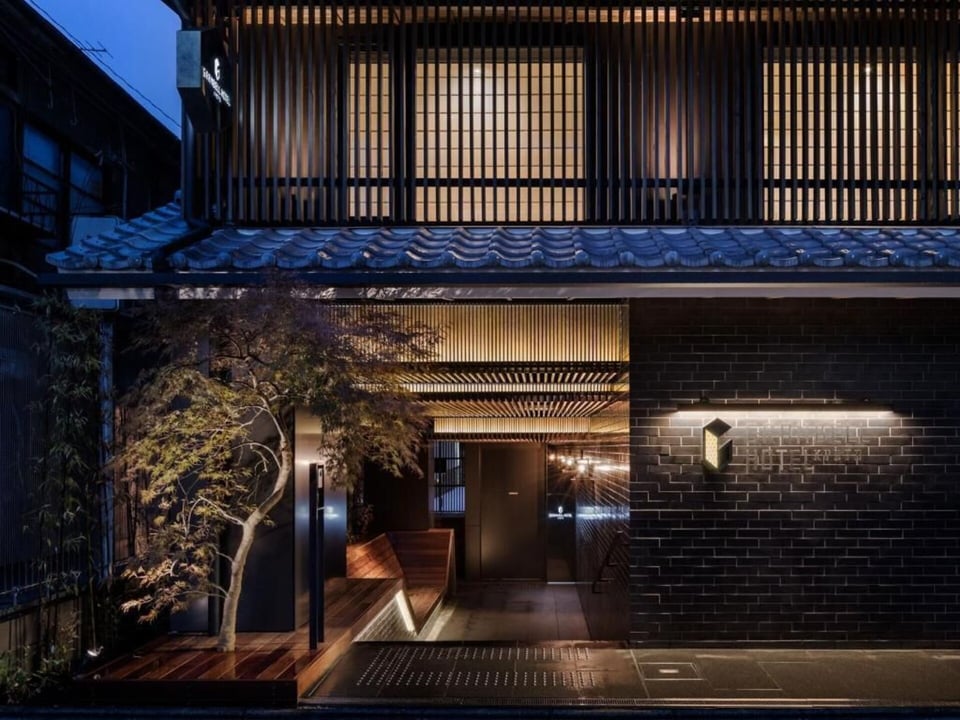
Kyoto Granbell Hotel
Interiors crafted by UDS blend Jotaro Saito kimono fabrics with repurposed antique wooden tansu chests.
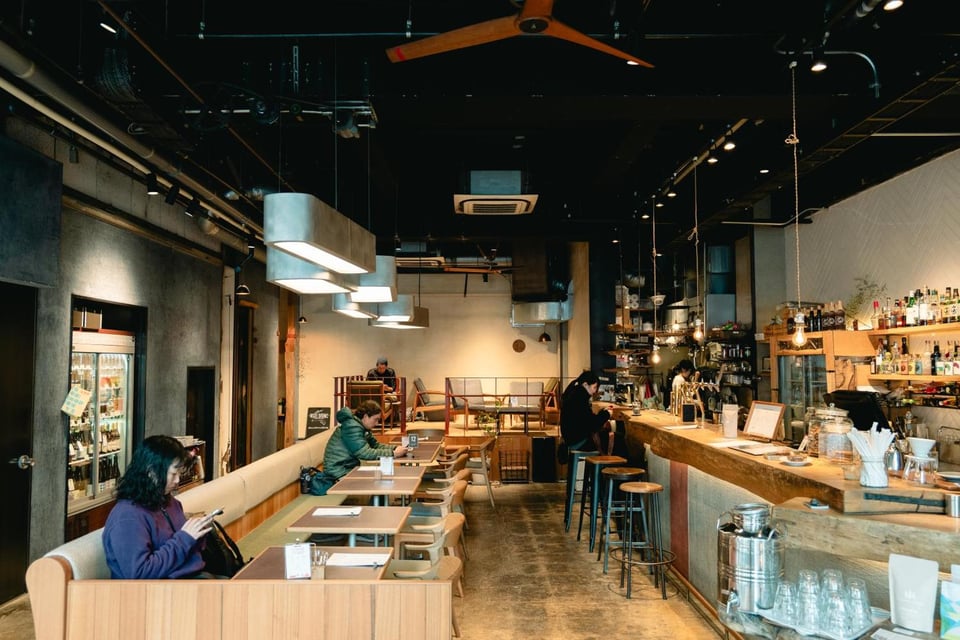
Len Kyoto Kawaramachi
Raw hardwood carpentry, exposed steel framing, and street-facing glass define the open ground-floor gathering space.
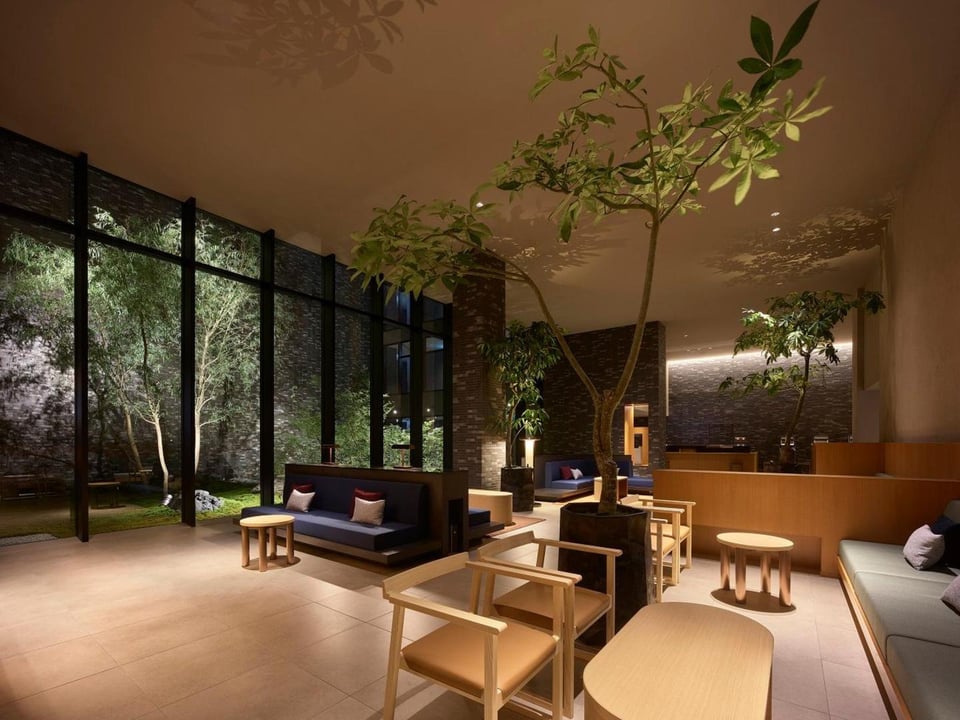
Mitsui Garden Hotel Kyoto Sanjo Premier
Interiors by Teruhiro Yanagihara Studio frame eight inner courtyards with layered kimono palettes and fine woodwork.
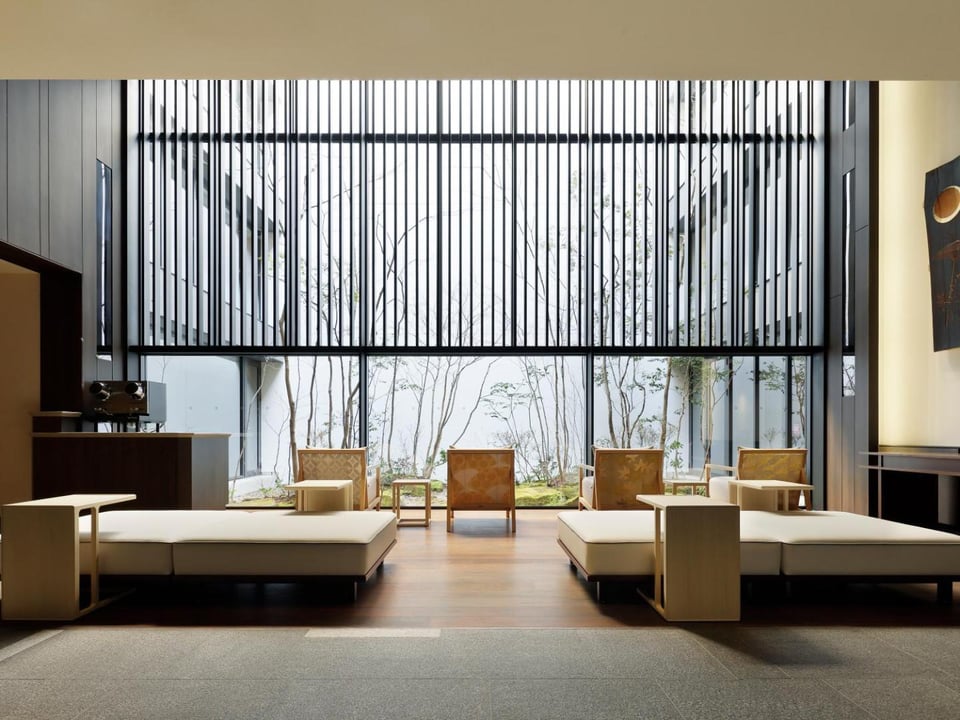
Mitsui Garden Hotel Kyoto Shinmachi Bettei
Contemporary timber latticework, an inner moss garden, and dining spaces conceived around a historic storehouse.
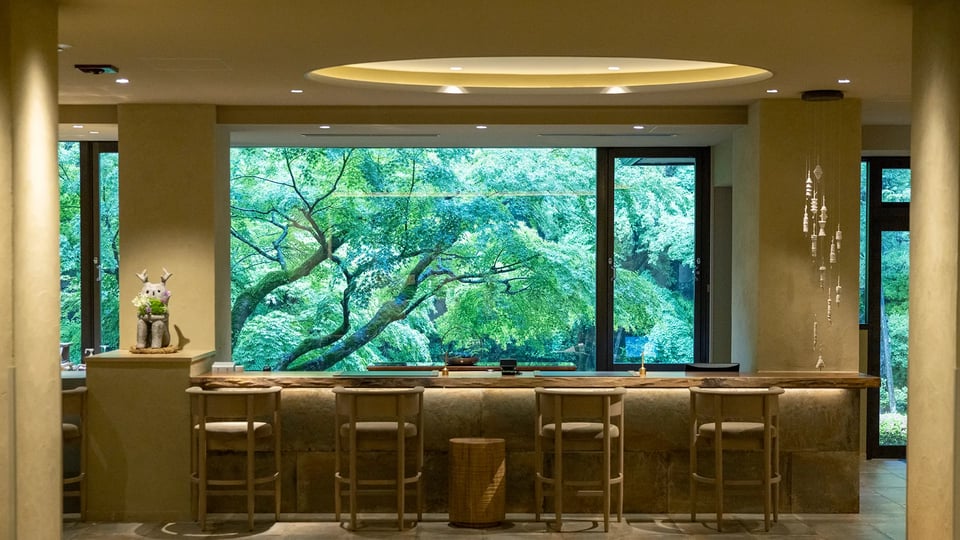
Moksa Rebirth Hotel
Minimalist pale timber interiors feature tatami mats and paper screens opening toward a preserved moss garden.
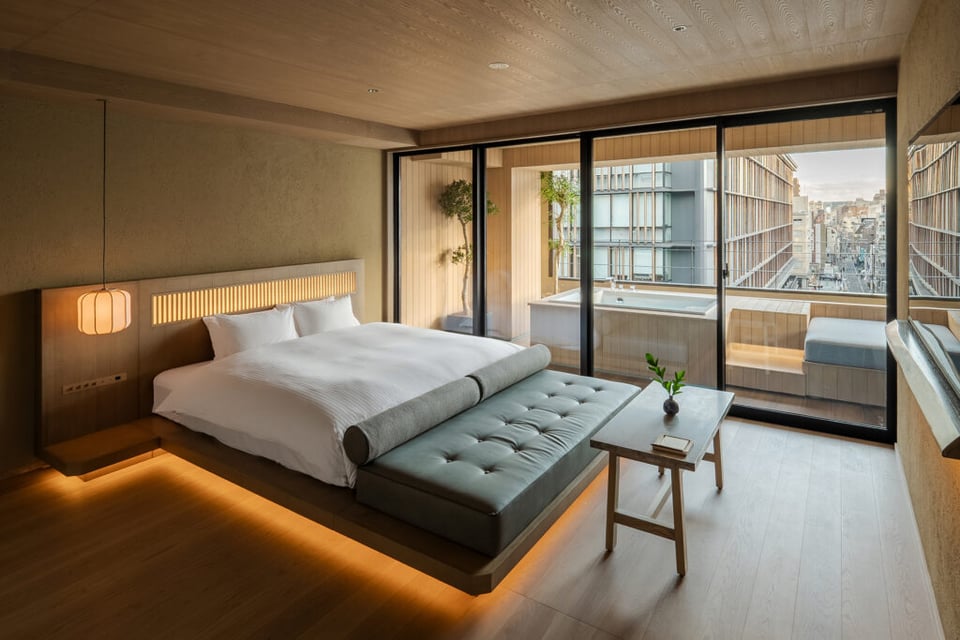
Moku Kyoto
Minimalist timber interiors across four private full-floor suites featuring dedicated tea-ware and open-air balcony baths.
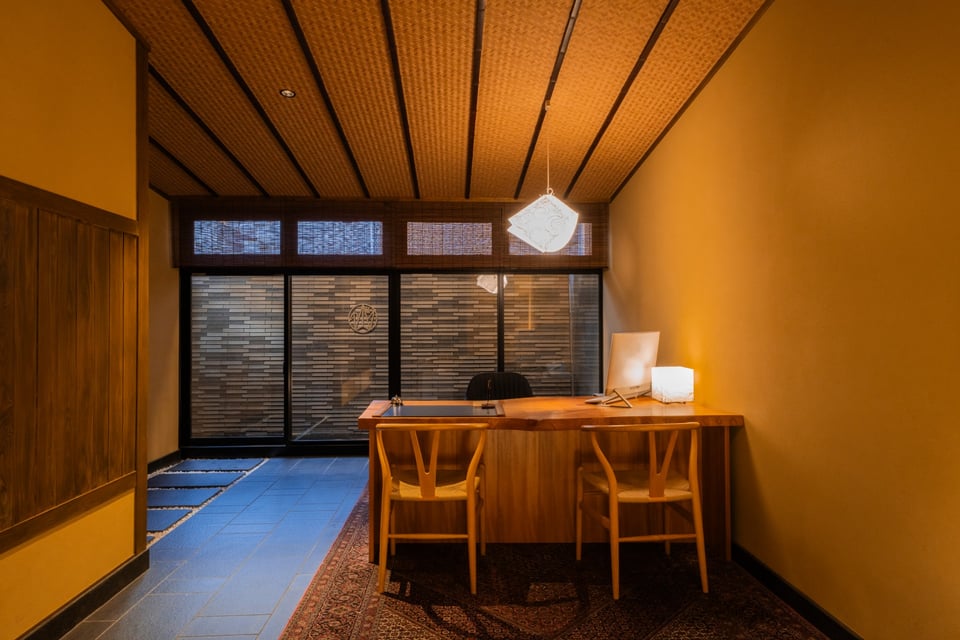
Nagi Shijo Hotel
Modern Japanese interiors feature natural timber joinery, local Kyoto pottery, and unusually generous residential layouts.
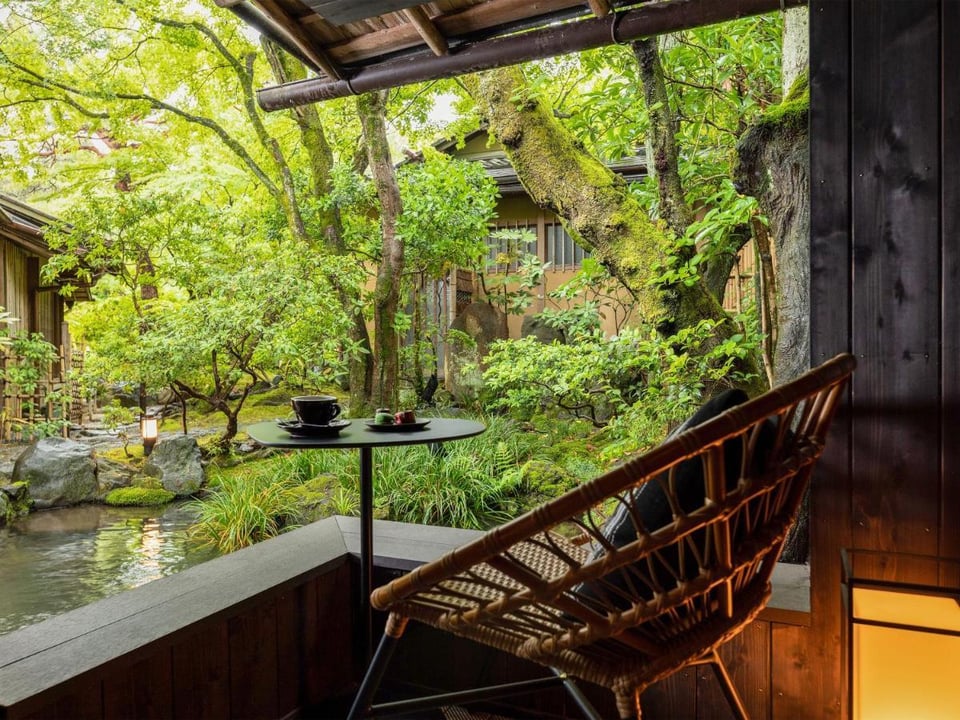
Nanzenji Sando Kikusui
Interiors by Ryu Kosaka blend traditional sukiya timber joinery and tatami floors with contemporary low-slung furnishings.
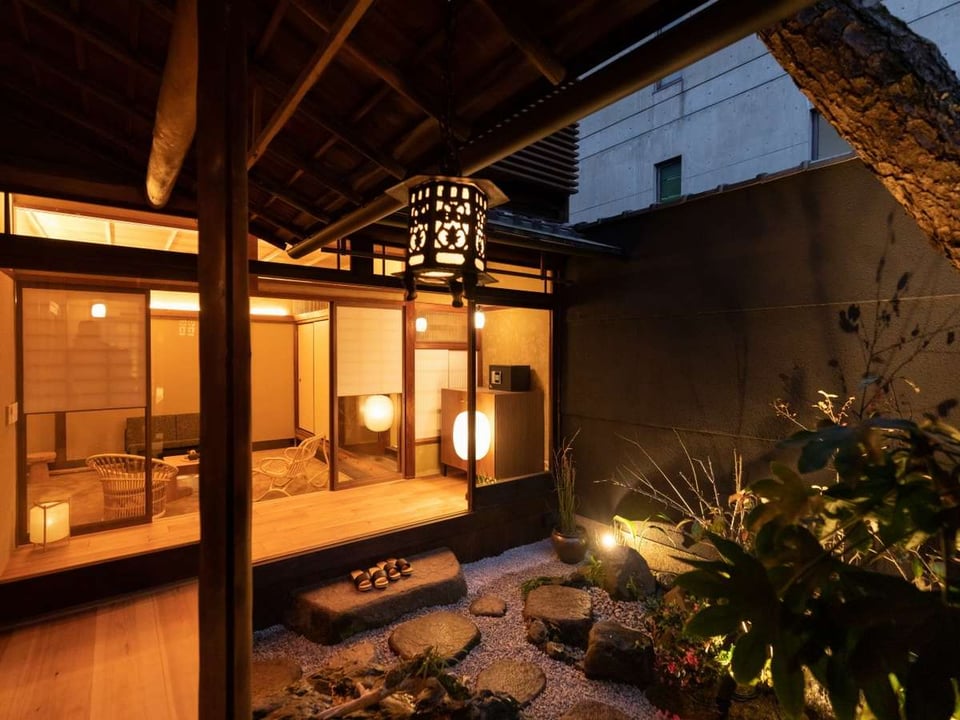
Nazuna Kyoto Gosho Hotel
Seven suites interpret traditional confections with custom woodwork, tatami flooring, washi paper screens, and garden outlooks.
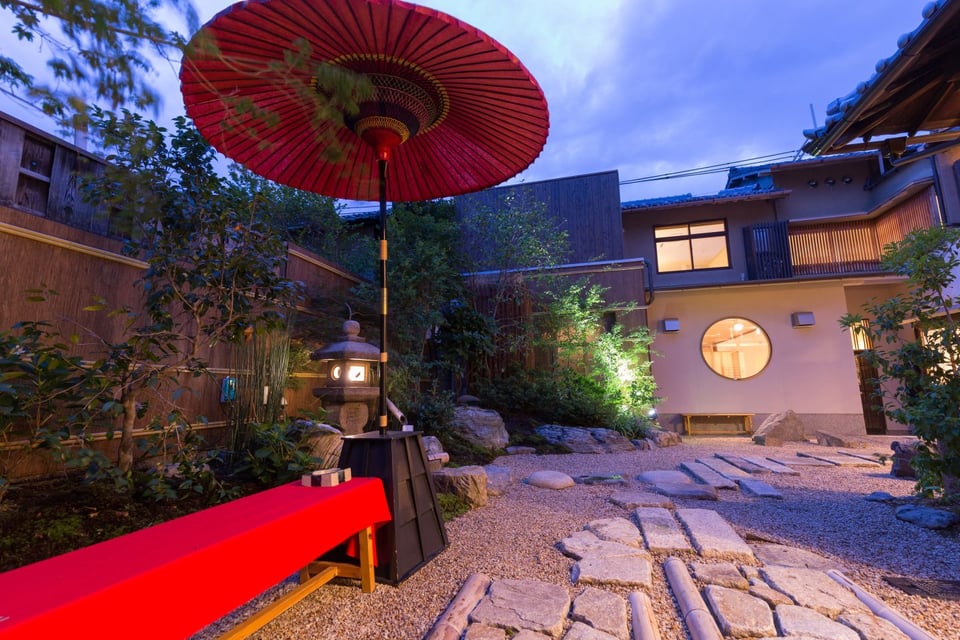
Nazuna Kyoto Nijo-jo
Restored timber architecture pairing exposed beams and tranquil tsuboniwa courtyards with sculpted Shigaraki ceramic soaking tubs.
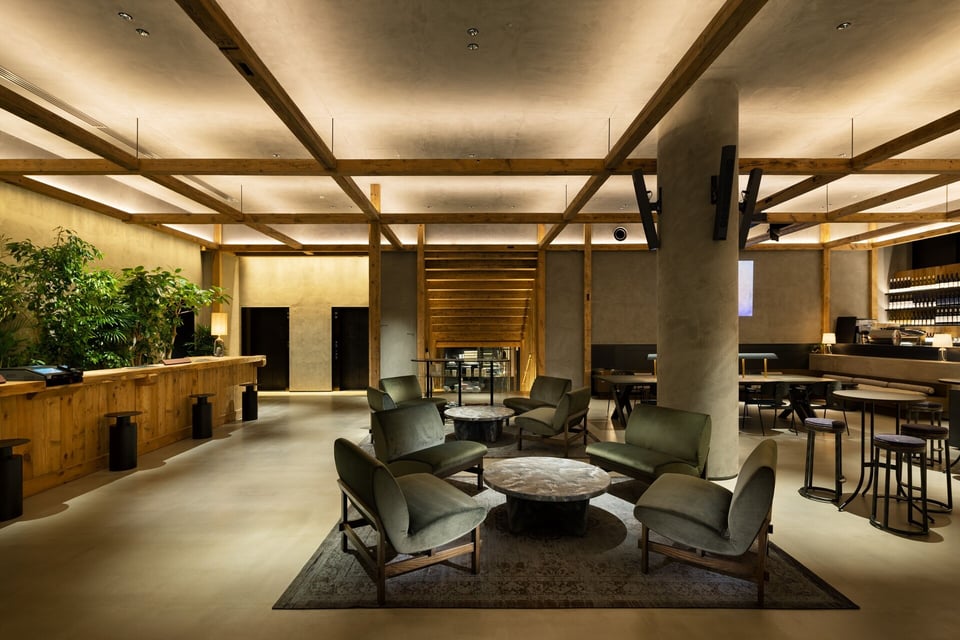
Nohga Hotel Kiyomizu Kyoto
Sleek minimalist spaces showcase custom Kiyomizu ceramics, woven gold leaf headboards, and high-fidelity acoustic speakers.
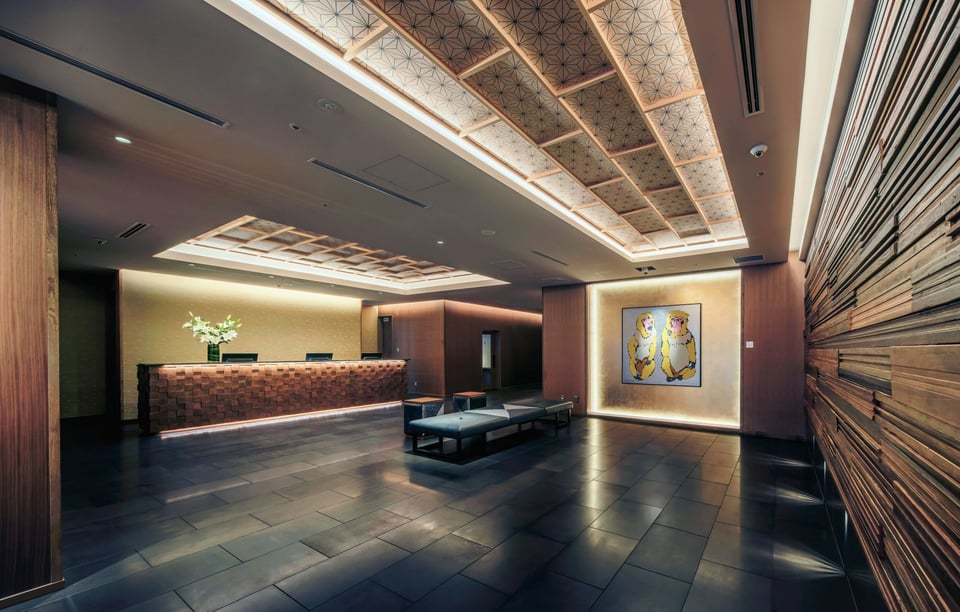
Noku Kyoto Hotel
Blonde timber interiors, soft lighting, colorful patterned textile headboards, and individually boxed mixed-media art in every room.
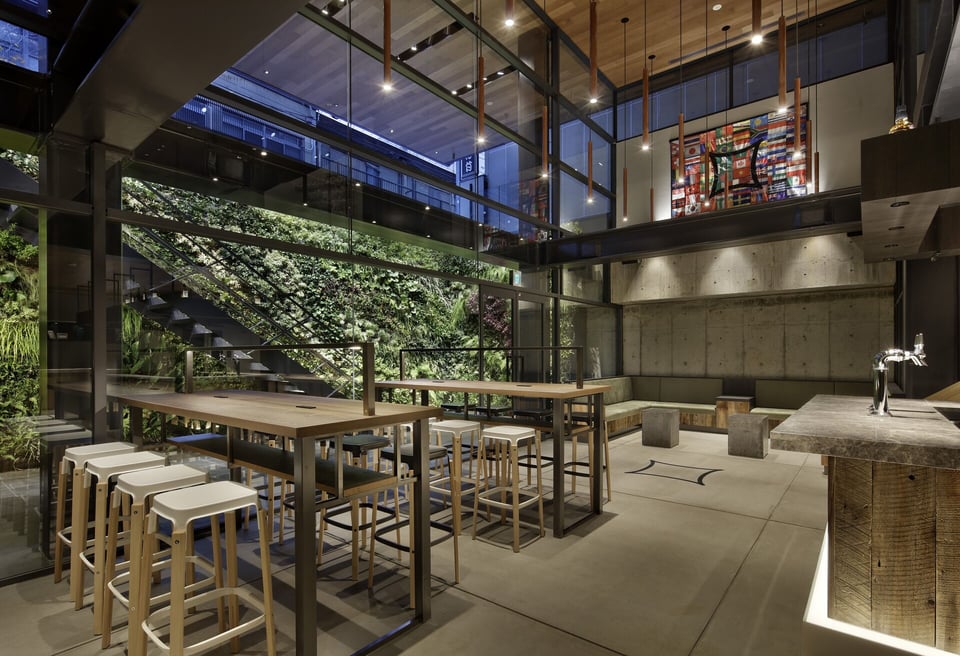
Piece Hostel Sanjo
Raw concrete walls, pale timber bunks, black steel framing, and a subterranean sunken garden light well.
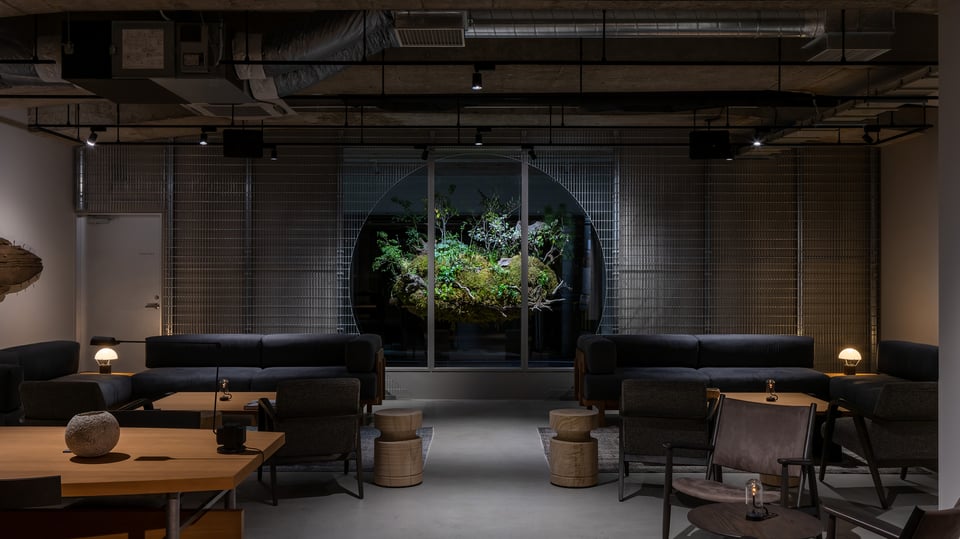
RAKURO Kyoto Hotel
Architect Hiroyuki Tanaka shaped the botanical lounge with minimalist timber furniture and Rui Sasaki glass installations.
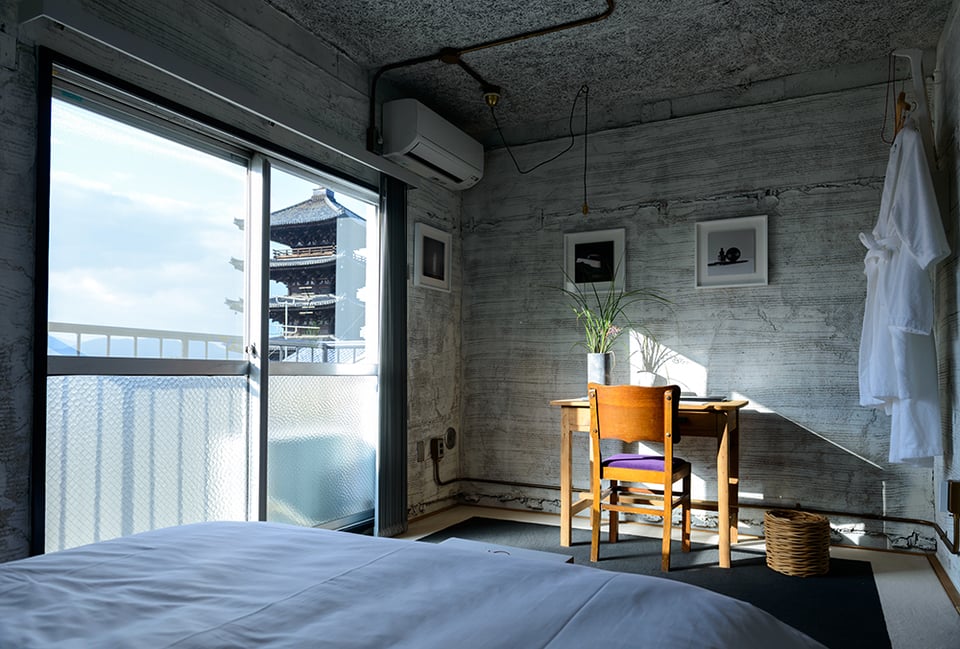
RC Hotel Kyoto
Exposed concrete walls across three themed floors showcase dried botanicals, vintage silk-farming tools, and contemporary art murals.
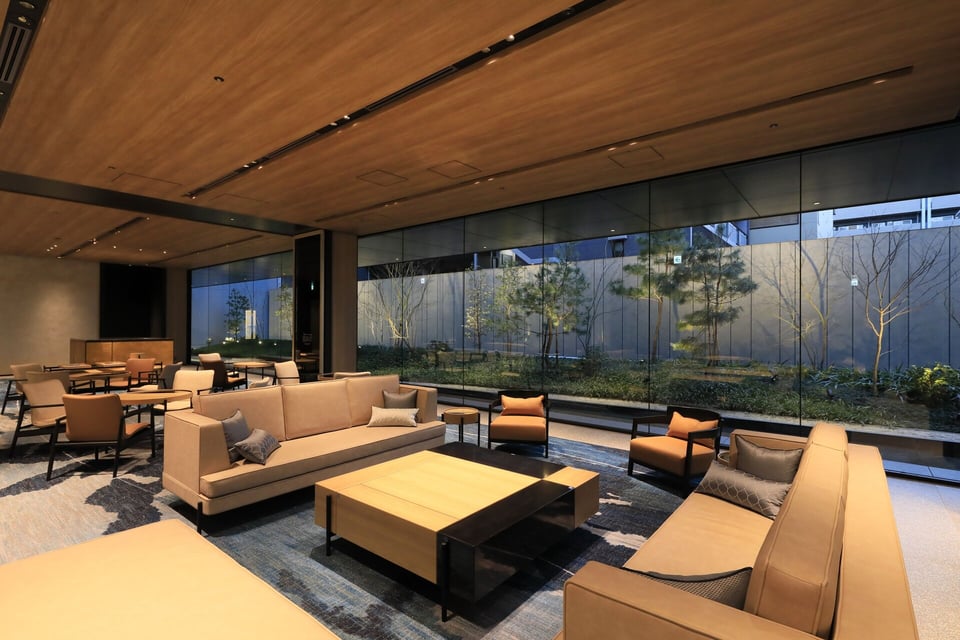
Richmond Hotel Premier Kyoto Shijō
A folding-screen glass facade and an interior courtyard garden landscaped with serene water features.
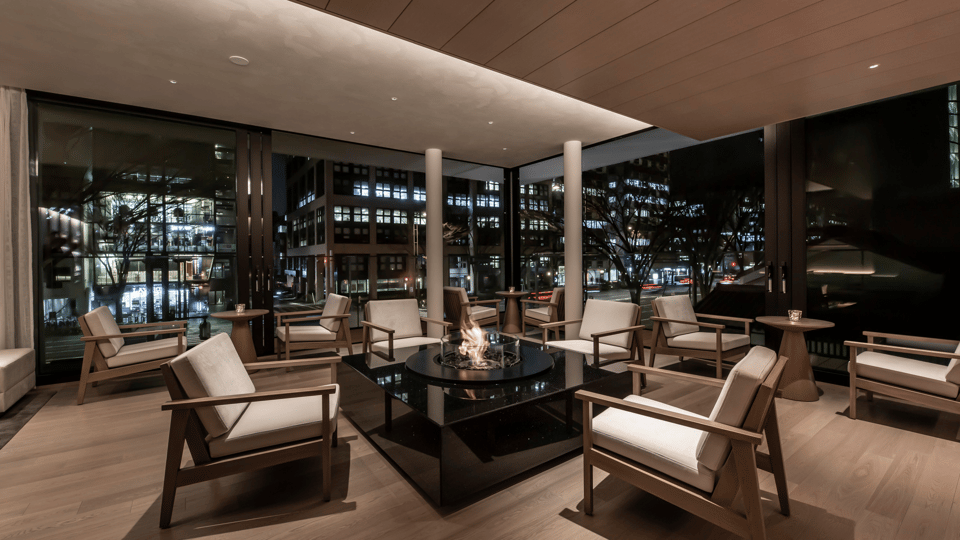
Royal Park Hotel Iconic Kyoto
Modern machiya-inspired interiors by UDS Ltd. featuring white plaster walls, dark timber accents, and clean Japanese lines.